
Far Out Fairy Tales: The Modern Science Fiction of Classic Stories

Introduction
Every child has a cherished memory of an old tale—the chipped china of the slipper, the red cloak, the bite from the poisoned apple. These classic stories, though beloved, often feel rooted in a fixed version of time. But what happens when you take the “Sleeping Beauty” trope, the “Three Billy Goats Gruff” conflict, or the “Hansel and Gretel” journey and toss them into the gears of a modern imagination?
Far Out Fairy Tales is a collection that answers this question, providing five full-color graphic novels that don’t just retell classic narratives; they deconstruct them, reinvent them, and give them a refreshing, upbeat kick. Far from simply changing costumes, this series treats familiar foundations as clay, reworking them to resonate with contemporary themes of action, science fiction, and complex identity [2]. It is a brilliant bridge for young readers and educators alike, showing them that the spirit of a classic tale can thrive even when its traditional setting is swapped for a spaceship, a ninja dojo, or a fantasy role-playing game.
The Art of the “Twist”: Why Deconstructing Fairy Tales Matters
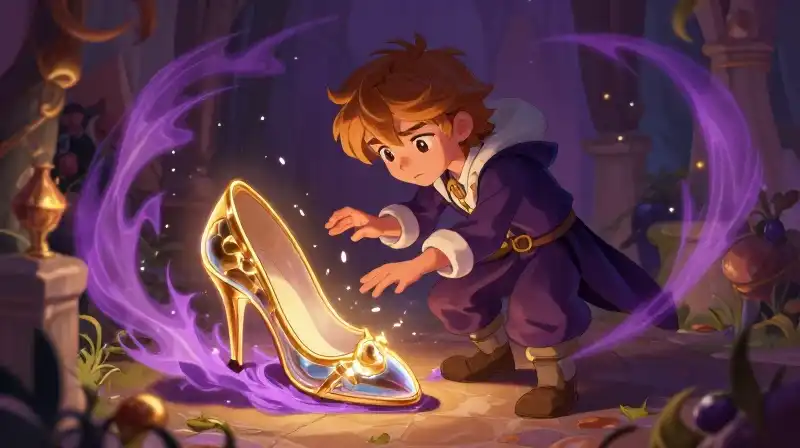
The true genius of this anthology lies in its deliberate subversion. Rather than simply adding a robot sidekick to a fairy tale, the series fundamentally alters the core dynamics. It uses modern genres to comment on or amplify classic struggles, often challenging tired tropes like the passive “damsel.” This series suggests that a story is not just in its plot, but in the lens through which we view its characters.
Challenging the “Damsel” Trope: The Evolution of Power
One of the most powerful shifts presented is the radical reimagining of Cinderella. Instead of the typical narrative where she passively waits for a prince to find her—a narrative traditionally focused on romance and rescue—this collection introduces “Ninja-rella” [2]. In this version, Cinderella’s ambition is focused entirely on her martial skill and career, becoming a sword-honing bodyguard. This reframing is a significant move, replacing traditional passivity with agency and a focus on intense, earned martial mastery [2]. The character is no longer defined by marriage, but by her own formidable competence, offering a powerful model of self-determination for young readers.
Character and Creature Deep-Dive: Five Tales Reimagined
The power of Far Out Fairy Tales is best understood through the specificity of its adaptations. Each story is a vibrant cultural snapshot, proving that the same core themes—challenge, family, and courage—can be expressed through wildly different mediums.
Action and Adventure: From Royalty to the High Office
- Little Red Riding Hood as a Superhero: In a surprisingly dramatic twist, Little Red doesn’t merely walk through the woods; she becomes a formidable superhero. Her journey transforms into an action sequence where she actively protects her grandmother, who is, notably, depicted as the President of the United States. This elevation of the grandmother suggests that power and protection can come from unexpected places, even outside the traditional “fairy tale” hierarchy [2].
- The Three Billy Goats Gruff as a Party RPG: The classic confrontation at the bridge is updated into a dynamic scenario within a fantasy role-playing game (RPG). This adaptation shifts the focus from simple trickery to the excitement of modern gaming and cooperation, showing how ancient mythological conflicts translate into contemporary digital worlds [2].
Science Fiction and the Robot Frontier
- Snow White in a Technological Age: Moving away from the “true love’s kiss,” the Snow White retelling presents a child raised by robots. This change opens up fascinating questions about nature versus artificiality, and what it means to be nurtured by machines in a world that still yearns for organic life [2].
- Hansel and Gretel as Zombie Survivors: For a stark, “dark adaptation,” the Hansel and Gretel narrative features protagonists and their parents as “zombie children” [2]. While the series generally aims for an upbeat message, this specific example introduces a necessary dose of “horror” or “thriller” elements, allowing the narrative to explore themes of survival and resilience under extreme duress [2].
Why These Modern Retellings Work for Young Minds
If you are an educator looking for new ways to engage students, or a parent seeking stories that offer more than just comforting familiarity, Far Out Fairy Tales is a robust resource. The appeal to the 4-to-9-year-old demographic is not accidental; the stories are designed to be accessible yet intellectually stimulating [2].
Themes and Deconstruction for the Classroom
The series is a living lesson in deconstruction. It shows young minds that foundational stories are not static relics but malleable narratives. By studying these comics, children can learn about:
- Agency and Purpose: How Ninja-rella’s drive to become a warrior reflects self-worth independent of romance.
- Genre Blending: The successful merging of high fantasy with science fiction, teaching children that stories don’t have to be strictly defined by genre.
- Historical Context vs. Modern Meaning: How old archetypes (the woods, the bridge, the enchanted forest) are re-examined to fit modern social landscapes [2].
Bedtime vs. Adventure: Determining the Perfect Fit
While the entire anthology is action-packed and imaginative, the specific nature of the twist helps determine if a story is best for a calming read or a high-energy moment. For a bedtime story seeking quiet reflection, a classic tale might still be preferable. However, for engaging a child who loves high-stakes drama or logic, the Sci-Fi and RPG versions provide excellent mental stimulation. The series honors the “spirit of the original” while delivering a fresh, energetic message suitable for enthusiastic young readers [2].
Addressing Reader Questions About Far Out Fairy Tales
A lot of curiosity surrounds this unique crossover. Here are some common questions addressed through the lens of this vibrant anthology:
- What characters does Far Out Fairy Tales list? The anthology features modernized versions of characters like “Ninja-rella” (Cinderella), a Superhero Little Red Riding Hood, the Three Billy Goats, a Robot-Raised Snow White, and Zombie-inspired Hansel and Gretel, among others [2].
- Can I read Far Out classic Stories online? While the original physical graphic novel collection is available, the material is designed as a cohesive series of five full-color graphic novels that can be used as a unified learning and reading experience [2].
- What makes the Ninja-rella version notable? The “Ninja-rella” version is notable because it completely shifts the narrative focus from traditional passivity to extreme competence, demonstrating a commitment to martial skill and career over traditional romantic expectations [2].
The Synthesis: Finding the Spirit in the Shift
What makes Far Out Fairy Tales remarkable is its profound respect for the foundational myths of childhood, combined with an uncompromising modern vision. By taking tales that have been retold a thousand ways and giving them a radical, contemporary overhaul—be it adding science fiction to Snow White or turning Billy Goats into RPG players—the series does more than just entertain. It gives readers a powerful toolkit to see the enduring power of stories: that a simple fairy tale is not a static museum piece, but a living, adaptable framework. This collection allows parents and children to engage with the “spirit of the original” in a way that feels instantly relevant and exciting, fostering a deeper appreciation for both classic folklore and the limitless potential of modern imagination [2].
***
Sources
- Product Detail — shop.capstonepub.com
- ARC Review: Far Out Fairy Tales — storyandsomnomancy.wordpress.com
Related Articles