
Treasury of Fairy Tales: Finding High-Quality Classic Stories for Children

Introduction
When we think of fairy tales, we often picture glittering animation or simplified narratives designed for very young readers. But for the parent or educator seeking a literary anchor—a book that rewards multiple readings and encourages real imaginative depth—the modern, fast-paced retelling often falls short. How do you find a version that honors the complex origins of these stories, provides rich vocabulary for growing minds, and respects the authentic textures of the original folklore? The Treasury of Fairy Tales collection emerges as a magnificent antidote to the ephemeral clickbait version of the classics, offering a meticulously curated and visually engaging anthology that elevates the simple bedtime story into a lasting literary experience.
The Difference Between Animation and Archetype: What Makes This Treasury Unique
The Treasury collection serves as more than just a compilation; it functions as a bridge between centuries of oral tradition and modern print. While popular versions often prioritize recognizable, highly polished cinematic tropes, this particular adaptation retains the complex characterizations and thematic weight of the original European sources—drawing heavily from foundational works by C. Perrault, the Brothers Grimm, and Hans Christian Andersen [2]. This focus on the archetype, rather than the fleeting pop culture aesthetic, is what sets it apart for families looking to engage deeply with the stories’ cultural and moral origins [2].
Divergence from the Disney Standard: Finding the “Classic” Self
A striking example of the Treasury’s commitment to authenticity lies in its reimagining of established plots. In the widely known narratives, like those often associated with modern cinema, characters wear iconic, singular colors—the royal blue of the glass slippers, for instance. However, this collection offers a subtle but significant shift that allows the imagination to linger beyond the immediate visual stereotype. For example, the presentation of Cinderella departs from the highly publicized “Disney” archetype by depicting the princess in a white dress instead of the more famous blue gown [1]. These small, precise differences—like the fairy godmother being portrayed with short blonde hair rather than the stereotypical older, plump, gray-haired figure [1]—allow the child to appreciate the historical breadth of the tale without being rigidly confined by a single film’s visual legacy.
Designed for the Deep Dive: Vocabulary and Narrative Depth
One of the primary advantages for educators and parents is the book’s deliberate structural design, making it suitable for children ready for a more rigorous literary engagement. This is not a fleeting picture book for the kindergarten-aged child; it utilizes a more sophisticated vocabulary and narrative complexity suited for the later years of elementary school [1]. The stories are not merely summarized; they are elaborated. The collection balances familiar plot points with a heightened sense of detail and narrative texture, offering a level of prose that encourages reflective listening and deeper word analysis, far surpassing the simpler, shorter language often found in early childhood books [1].
The Weight of the Ensemble: Complex Characters and Companions
The choice of companion for the protagonist is another fascinating area of comparison. In many retellings, Cinderella’s assistance comes from the collective industriousness of mice, such as Gus and Jack. In this particular Treasury edition, the presence of a pet kitten as Cinderella’s constant companion is a distinct departure from the traditional folklore [1]. This subtle shift invites a different kind of narrative analysis—examining the dynamics between a princess and a feline friend—while still honoring the story’s core themes of resilience and kindness. This nuanced character development is part of what makes the collection feel richer than a standard, quickly consumable fable.
A Guide to the Treasury’s Diverse Narrative Roots
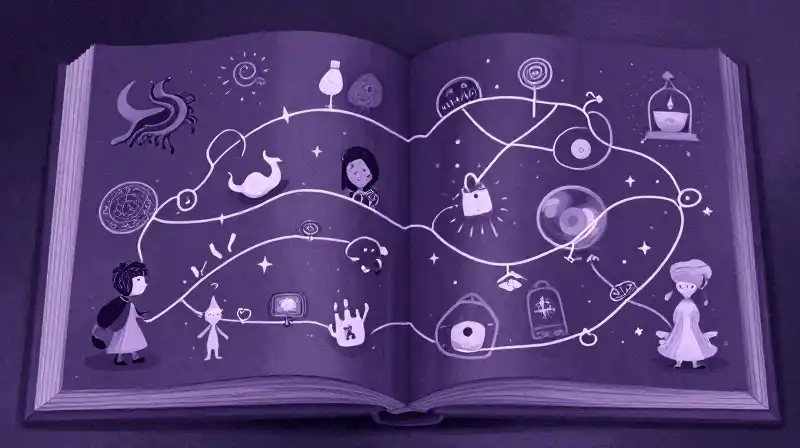
The breadth of the Treasury collection is anchored by its respect for diverse origins, including iconic tales like “The Emperor’s New Clothes” and the thrilling “Rumpelstiltskin” [2]. This inclusion gives the book the quality of a valuable anthology for those interested in narrative lineage and the various moral lessons woven through folklore. Whether exploring “Beauty and the Beast” or the ingenuity of “Puss in Boots,” the book provides a consistent, archival quality that affirms its status as a keeper of culturally significant narratives [2].
The Visual Language: Layout and Atmosphere
For the reader interested in the art and the reading experience, the visual organization of this specific edition is highly effective: text is presented clearly on one side of the page, while illustrations occupy the opposing side [1]. This layout respects the importance of both the written word—crucial for developing a robust vocabulary—and the evocative visual storytelling of the accompanying artwork. The combination is intended to allow for both academic scrutiny of the text and immersive enjoyment of the magic.
Which Tale is Best for Bedtime? A Practical Guide for Parents
When choosing a story for bedtime, the goal is often to find a tale that feels grounding, whether through a comforting resolution or the quiet contemplation of a moral idea. While tales like “Hansel and Gretel” bring a sense of thrilling adventure, others offer a unique, soothing rhythm. The inclusion of established, yet complex, stories like “The Princess and the Pea” or simple, resonant tales like “Puss in Boots” allows a parent to select a story whose themes—comfort, cleverness, or self-worth—will best suit their child’s mood and age. Because of the rich, detailed writing, these tales provide a sustained listening experience that helps wind a child down naturally, moving past the high-energy excitement of a typical modern movie adaptation.
Conclusion: A Treasure Beyond the Surface
Ultimately, the Treasury of Fairy Tales is a commitment to the enduring power of narrative. It doesn’t just tell a story; it presents a complete, layered cultural artifact. By elevating vocabulary, honoring diverse creative contributors like Brothers Grimm and H.C. Andersen [2], and meticulously refining visual and character details, this book invites children to engage in the act of ‘discovery’—discovering why a story matters, how a character is truly motivated, and the enduring power of symbols like magic or courage [2]. It provides a high-quality, accessible, and deeply enriching reading experience that will stand well into their childhood, cementing the collection’s status as a true treasure for any family devoted to the art of children’s literature.
Sources
- Treasury of Fairy Tales — goodreads.com
- A Treasury of fairy tales : Free Download, Borrow, and Streaming : Internet Archive — archive.org
Related Articles