
The Bedtime Escape: Why Children Need the Comfort of Fairy Tales

Introduction
The soft glow of a bedside lamp, the quiet hush of a room, the rhythmic cadence of a parent’s voice—these elements combine to form the sacred ritual of bedtime. But what if the key to a truly restful night, or a wonderfully focused classroom moment, lay not just in the quiet, but in the magic? Fairy tales, far from being dusty relics of bygone eras, remain vibrant, psychologically essential tools for children navigating the complex terrain of childhood. They offer a profound psychological escape from painful realities, providing a comforting function that is surprisingly relevant even for modern kids managing the anxieties of their own changing worlds [1, 2]. For parents and educators looking to deepen their engagement with these classic narratives, understanding the structural and emotional mechanics of these stories is crucial. Here at *Magic Stories*, we believe that fairy tales are not just a collection of characters, but a profound curriculum of emotion, conflict, and imagination.
The Psychology of the Magical Pause
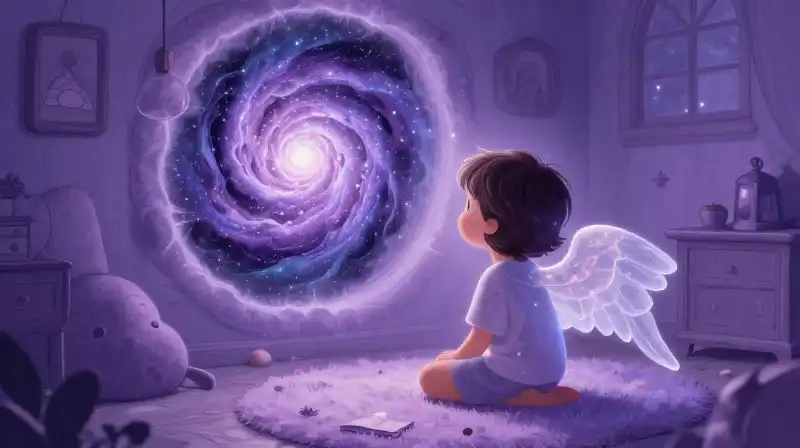 Why do we still turn to stories of mermaids, kings, and strange beasts? The foundational appeal of folklore lies in its ability to externalize internal turmoil. Bedtime stories allow children to safely explore intense feelings—fear, triumph, loneliness—through the lens of a character who can endure it. The classic tales established by foundational collectors like the Brothers Grimm, Hans Christian Andersen, and Charles Perrault provide a sturdy, enduring framework [1]. When a child sees a banshee or a fallen angel, they are not just viewing an illustration; they are witnessing a personification of internal fears. However, the stories do not have to stay stuck in a rigid medieval setting. Modern magic thrives on creative hybridization, successfully blending established tropes with original narratives to forge unique mythologies [1].
Archetypes for Emotional Exploration
When curating a storytime collection, specific archetypes can be leveraged to address specific emotional needs.
- The Aquatic Realm (Mermaids, Water Sprites, Sirens): These creatures are powerful subjects for re-imagining folklore. They often symbolize depth, mystery, and the liminal space between the safety of land and the unknown; they are excellent for exploring feelings of isolation or longing [1].
- The Mischievous (Elves, Fairies): Utilizing these entities helps children explore themes of trickery, unexpected joy, and the balance between good and mischief, making them ideal for narratives focused on playful defiance or sudden moments of happiness [1].
- The Dark Figures (Fallen Angels, Banshees): Introducing slightly darker, gothic elements allows older children to engage with and safely overcome the concept of storybook villains and deep-seated fears. These figures add compelling tension and dramatic stakes to an enchanted world [1].
Beyond the Medieval Forest: Contemporary Worldbuilding
A common misconception is that for a story to feel “magical,” it must occur within an ancient, dense forest or a crumbling castle. While those settings are classic, true modern folklore thrives on making the extraordinary immediate and accessible. Magic can be effectively mapped onto familiar, everyday settings—suburban homes, quiet parks, and even parking lots [1]. By grounding fantastical beings like fairies or magical creatures in the recognizable landscape of today, we bridge the gap between the child’s reality and the storybook, making the experience of enchantment immediate and relatable.
The Power of Modern Reimagining
The genre’s ability to reinvent itself is perhaps its most valuable lesson. Creators today are constantly reinterpreting the classic works of Charles Perrault or Hans Christian Andersen. This is not merely updating the plot; it is an act of preserving the core enchantment while making the story feel fresh and relevant to a new generation [1]. For example, while the core folklore is eternal, modern interpretations demonstrate the genre’s vast capacity for variety, often bringing together a diverse cast of archetypes, such as in collaborative projects featuring nine distinct characters [1, 2]. This hybrid approach allows storytellers to blend their original narratives with established tropes, such as mixing creatures like sprites and banshees to create unique mythologies [1].
Parent’s Bedtime Guide: Choosing the Right Story for the Mood
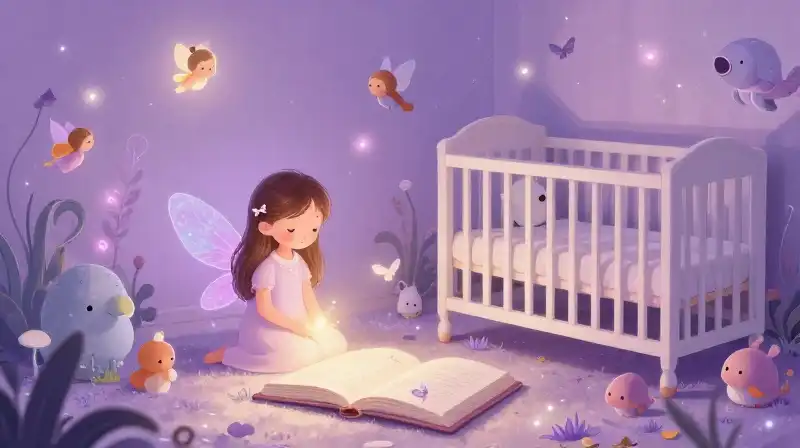 Choosing a story for bedtime or classroom use depends entirely on the emotional need. Here is a breakdown of how different tales and elements can soothe or engage a young mind:
| Goal | Recommended Theme/Creature | Why It Soothes | Narrative Approach |
|---|---|---|---|
| Anxiety & Sleep | Whimsical Fairies, Comfort-based Magic | Focus on gentle transformation and safe endings, offering predictability and warmth. | Focus on the journey rather than the conflict of the tale. |
| Explaining Fear | Fallen Angels, Banshees (Controlled) | Introduces fear as a character that can be navigated or overcome, offering agency over emotions. | Keep the antagonist focused on a specific, conquerable weakness. |
| Creativity & Wonder | Aquatic Beings (Mermaids, Sprites) | Mermaids, with their blend of beauty and mystery, encourage looking beyond the literal into the imaginative depths. | Emphasize vivid description and sensory detail (color, sound, texture). |
Addressing Common Questions
What fairy tales are in *Tell Me a Story*?
Specific titles included in *Tell Me a Story* vary depending on the edition or the collection curated, but the work generally encompasses foundational archetypes drawn from classic folklore, emphasizing the universal themes and emotional resilience inherent in these narratives.
Why do grown-ups still need fairy tales?
Fairy tales serve as a mirror for adult emotional processing. They provide a psychological framework—a ready-made script—through which adults can examine their own subconscious struggles with fear, longing, moral ambiguity, and the search for belonging [1, 2]. They are, fundamentally, stories about human nature disguised as magic.
A Glimpse into the Modern Canvas: Contemporary Adaptations
Modern artists and storytellers are proving that the ancient narrative is incredibly elastic. While the book *Fairy Tales* by Petra Collins and Alexa Demie is specifically noted for its adult-oriented and sensual interpretation of folklore [1, 2], it highlights a broader artistic trend: the theatricality of the visual story. Visual storytelling in folklore relies heavily on theatrical technique—dramatic staging, lighting, and props—to breathe striking life into centuries-old imagery [1]. When we consider the work of creatives like Petra Collins and Alexa Demie, we see how traditional imagery can be reimagined through contemporary, high-art lenses. While their specific project serves an adult audience, it demonstrates the immense capability of folklore to inspire complex, visually striking, and radically modern narratives that redefine the bounds of the genre. This practice reinforces the idea that the core magic is not in the setting, but in the persistent, vibrant human spirit of the tale itself.
Synthesis: The Enduring Spell of Hybridization
Ultimately, the true genius of fairy tales is not that they are static stories, but that they are perpetually mutable. They are flexible enough to hold the anxieties of a three-year-old and the existential queries of a thirty-year-old. By respecting the foundational truths established by the classic collectors and embracing the imaginative freedom of modern creators, parents and educators can provide their children with a rich, living tapestry of stories. Fairy tales give children permission to feel, to imagine the impossible, and to see the familiar through the lens of genuine enchantment.
Sources
- Rizzoli New York — rizzoliusa.com
- Fairy Tales — barnesandnoble.com
Frequently Asked Questions
What fairy tales are in Tell Me a story?
Specific titles included in *Tell Me a Story* vary depending on the edition or the collection curated. However, the work generally encompasses foundational archetypes drawn from classic folklore, emphasizing universal themes and emotional resilience.
Why do grown ups still need fairy tales?
Fairy tales serve as a mirror for adult emotional processing by providing a psychological framework. This framework allows adults to examine their own subconscious struggles with fear, longing, moral ambiguity, and the search for belonging. They are, fundamentally, stories about human nature disguised as magic.
Related Articles