
Villains

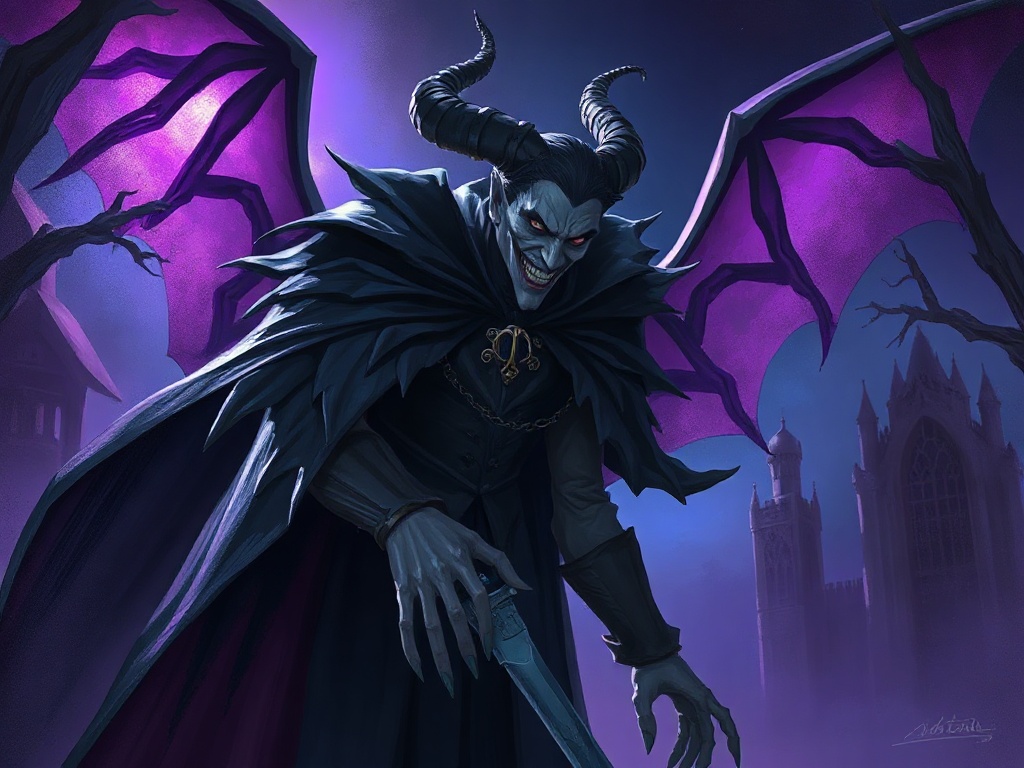
Explore the most iconic fairy tale villains — from Maleficent to the Evil Stepmother, what makes them terrifying and memorable.

Why is the Evil King in The Twelve Dancing Princesses bad
Published: 2025-09-20
Theodore Blackwood Theodore Blackwood
The Twelve Dancing Princesses is a classic fairy tale, beloved for its enchanting imagery of twelve princesses secretly dancing each night, and the brave prince who unravels their mystery. While the princesses themselves are often viewed as innocent figures, the story’s antagonist, the king (often portrayed as an “evil” king), deserves careful scrutiny. He’s not simply a stock villain; his actions are deeply unsettling and reveal a complex portrayal of power, control, and patriarchal expectations within the tale.
1102 words
|
6 minutes
Cover Image of the Post
Why is the Witch in Rapunzel so controlling and cruel
Published: 2025-09-14
Theodore Blackwood Theodore Blackwood
The fairy tale of Rapunzel, in its various iterations, often leaves readers and listeners pondering a simple, yet profound question: why is the witch, usually known as Gothel, so intensely controlling and cruel? She isn’t just a stock villain seeking power for its own sake; her motivations run deeper, fueled by a desperate longing for youth and a profound fear of aging. Understanding the nuances of Gothel’s character requires examining her backstory, psychological state, and the symbolic significance she holds within the narrative.
1063 words
|
5 minutes
Cover Image of the Post
How does the Witch in Hansel and Gretel build her house
Published: 2025-09-03
Theodore Blackwood Theodore Blackwood
The Brothers Grimm’s “Hansel and Gretel” is a timeless fairy tale steeped in folklore and cautionary lessons. At its heart lies a compelling antagonist: the wicked witch, whose gingerbread house serves as a deceptive lure and ultimately, a trap for the orphaned siblings. But beyond the delicious facade, the construction of this dwelling isn’t merely a whimsical detail; it’s a carefully considered element, revealing much about the witch’s character, motivations, and the overall themes of the story. Understanding how she built it allows us to dissect the tale’s symbolic weight.
1112 words
|
6 minutes
Cover Image of the Post
What makes the Dragon in Saint George tales so fearsome
Published: 2025-08-21
Theodore Blackwood Theodore Blackwood
The Saint George and the Dragon story is a cornerstone of European folklore, a vibrant tale resonating through centuries. At its heart lies a truly terrifying villain: the dragon. More than just a fire-breathing beast, the dragon represents a complex and multifaceted threat, weaving together fear of the unknown, societal anxieties, and the power of destructive forces. Understanding what makes this creature so compellingly frightening requires examining its symbolism, its impact on the narrative, and the specific characteristics that set it apart from other monstrous figures in folklore.
1105 words
|
6 minutes
Cover Image of the Post
Why is the Wicked Stepmother in Snow White so cruel
Published: 2025-05-29
Theodore Blackwood Theodore Blackwood
The tale of Snow White, a cornerstone of global folklore and a staple of children’s stories, is undeniably captivating. At its heart lies a simple narrative: a beautiful young woman persecuted by her jealous stepmother, finding refuge and eventual happiness with the help of seven dwarfs and a charming prince. While the story celebrates kindness, bravery, and love, it’s the villain, the Wicked Stepmother, who often sparks the most profound and enduring questions. Why is she so relentlessly cruel? Is she simply a stock character embodying generic evil, or does her malice stem from deeper, more complex motivations?
1148 words
|
6 minutes
Cover Image of the Post
How does the Fox deceive Pinocchio in the original story
Published: 2025-05-11
Theodore Blackwood Theodore Blackwood
Carlo Collodi’s The Adventures of Pinocchio is far more than a simple children’s tale; it’s a complex moral fable brimming with cautionary lessons and memorable characters. While Pinocchio himself is the central figure, constantly learning and growing through his mistakes, the antagonists he encounters significantly contribute to the narrative’s power. Among these, the Fox, along with his partner, the Cat, stands out as a particularly cunning and insidious adversary, embodying the dangers of deception and greed. Their schemes represent the world’s temptations that threaten to derail Pinocchio’s journey toward becoming a ‘real boy.’
1165 words
|
6 minutes
Cover Image of the Post
What makes the Goblin King scary in Labyrinth bedtime tales
Published: 2025-03-19
Theodore Blackwood Theodore Blackwood
The Labyrinth, a beloved 1986 fantasy film, is instantly recognizable for its intricate set design, David Bowie’s iconic performance, and Sarah’s courageous journey. However, lurking at the heart of this fantastical world is Jareth, the Goblin King, and his sustained popularity as a villain stems from a complex interplay of factors beyond simple malevolence. He’s not a snarling brute, but a deeply wounded and ultimately tragic figure whose power is both mesmerizing and terrifying. This exploration delves into the elements that contribute to the Goblin King’s enduring scariness, moving beyond the surface level of his abilities and examining the psychological and narrative depths that make him such a compelling antagonist.
1238 words
|
6 minutes
Cover Image of the Post
What makes the Troll in The Princess and the Goblin scary
Published: 2025-02-18
Theodore Blackwood Theodore Blackwood
George MacDonald’s The Princess and the Goblin is a beloved children’s fantasy, celebrated for its whimsical characters and heartwarming themes of courage and ingenuity. Yet, woven into this seemingly gentle narrative is a genuinely unsettling villain: the Troll. It’s easy to dismiss him as a simple monstrous figure, but a closer examination reveals a deeply disturbing character, whose power isn’t solely rooted in physical strength but in a far more insidious, psychological threat. The story isn’t just about defeating a monster; it’s about confronting darkness itself, represented by this ancient, subterranean being.
1138 words
|
6 minutes
Cover Image of the Post

Frequently Asked Questions

Why do fairy tales have villains?

Fairy tale villains represent the obstacles and fears children must overcome. They create conflict that makes the hero's journey meaningful and teach moral lessons about courage, kindness, and resilience.