
The Evil Snow Queen: Her Power, Origins, and Fairy Tale Role
Introduction
When we think of cinematic villains, we often picture a towering figure in elaborate armor, but sometimes the most chilling antagonists are those born of cold, glass, and icy stillness. The Snow Queen is one of these figures—a character who embodies both the sublime beauty of winter and the terrifying heart of pure malice. Often misremember or overly simplified into merely an “Ice Queen,” this legendary fairy tale figure serves as a potent symbol of corrupted innocence and relentless emotional tyranny. For parents, educators, and story lovers, understanding the nuanced role the Snow Queen plays—from her original dark folkloric origins to her modern, often misunderstood portrayals—offers a window into how children’s literature explores complex themes like justice, selflessness, and the dangerous power of the unseen.
The Architecture of Evil: Her Power and Domain
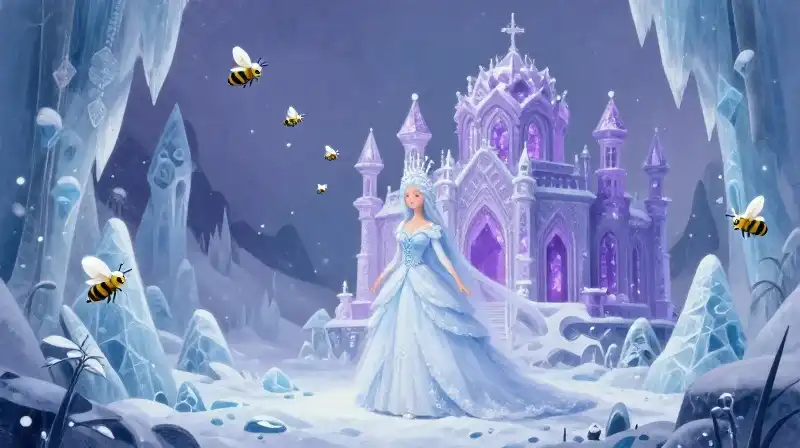 The Snow Queen is far more than a figure who simply enjoys the cold; she is a sovereign force of cryomancy, or the magical ability to manipulate ice and extreme cold [2]. Her domain is a realm of oppressive whiteness and frost, specifically rooted in the lands of permafrost, such as Spitsbergen [1]. Her castle, the palace where she dwells, is not merely a fortress but a crystallized environment designed to enforce rigidity and despair. Within the narrative, the Snow Queen’s power is most vividly seen in her ability to warp the spirit of others. She rules over creatures known as “snow bees”—snowflakes that take on the shape and movement of bees, a unique detail of her frozen kingdom [1]. She doesn’t just control the weather; she controls the very state of being, turning warmth and life into brittle, unforgiving perfection.
More Than Just a Title: Her Archetypes
In the extensive taxonomy of storybook villains, the Snow Queen is consistently categorized by traits that go beyond mere wickedness. She is frequently classified as a “Magical Tyrantess” and a “Destroyer of Innocence” [2].
- The Manipulator: She schemes to take others captive, using her power to control or corrupt those she deems unworthy of the warmth of human emotion [2].
- The Cruelty Embodied: Her methods involve “kidnapping” and “torture,” often focusing on breaking the emotional core or soul of a character [2].
- The Herald of Extremes: She represents the ultimate, unyielding opposite of life itself—a place where nothing grows, nothing changes, and no heat exists [2].
The Journey from Troll to Snow Queen: A History of Corruption
When investigating the original Hans Christian Andersen tale, it is crucial to separate popular adaptations from the raw, dark folkloric source material. The origins of the Snow Queen’s villains are far more primal and less “fairy-tale sweet” than many modern versions suggest.
The Mirror of Reason and the Demon’s Shadow
The core of the Snow Queen’s influence begins with a corrupting mirror. In the original tale, the reflection that shatter into Kai’s heart and eye is tied to an evil entity. While many assume the Queen created this curse, the folklore is actually more chilling: the mirror that corrupt Kai’s soul was, in the original telling, created by a demon or a Troll, not the Queen herself [1, 3]. This “Mirror of Reason” is a potent symbol in children’s literature. It does not simply lie; it *magnifies* what is already there. Kai’s initial corruption is tied to this mirror because it amplified the “bad and ugly aspects” within him, making him cruel and aggressive [1, 2]. The Snow Queen, in turn, takes advantage of this psychological weakness, kidnapping the boy and forcing him into a grueling test: the spelling of the word “eternity” from shards of ice [1].
The Role of Ambiguity: Vague Motives in Classic Tales
One of the deepest layers of the classic tale is the deliberate vagueness surrounding the Queen’s true motivation. Scholars and interpreters have noted that while the Queen is undeniably malicious, the specific, original reasons for her kidnapping Kai are often left deliberately ambiguous in the source material [2, 3]. She is an embodiment of winter, a force of nature given malice, and her actions often serve to test the very nature of humanity or innocence rather than fulfilling a personal, domestic vendetta.
Adapting the Ice: Versions Across Time and Culture
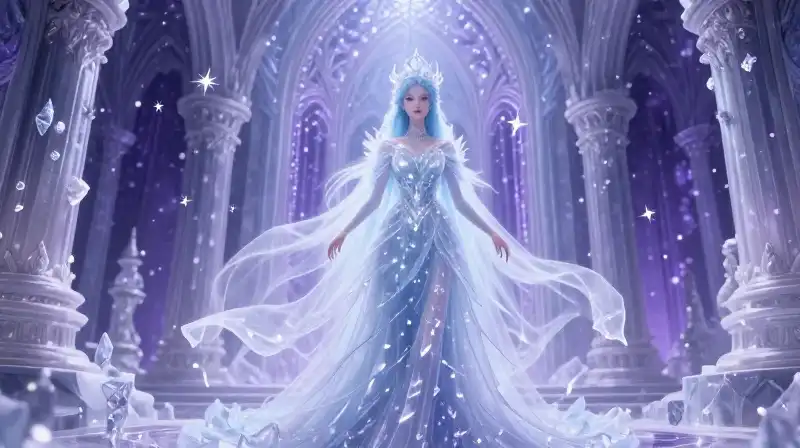 The legacy of the Snow Queen is defined by her transformation across different artistic mediums. These variations not only show how a culture processes evil but also how they choose to frame the conflict between the forces of light and darkness.
Original Folklore vs. Modern Cinema
The differences between the classic Snow Queen and characters like Elsa from *Frozen* are stark and illuminate the shifting sensibilities of the audience [3].
| Feature | The Classic Hans Christian Andersen Snow Queen | Modern Interpretations (e.g., Disney’s Elsa) |
|---|---|---|
| Archetype | Magical Tyrantess / Destroyer of Innocence [2]. | Protagonist or Complex Anti-Hero [3]. |
| Goal | To force Kai to write “eternity” and maintain cold rule [1]. | Often dealing with misunderstood power or self-preservation [3]. |
| Symbol of Power | Absolute, destructive ice; the corrupting mirror [2]. | Often linked to emotional turmoil or uncontrollable magic [3]. |
The shift from a purely malicious figure to a sympathetic character reflects a broader cultural movement in children’s storytelling toward more nuanced anti-heroes, where the external magic is viewed as a reflection of internal human struggle [3].
Finding Warmth in the Cold: How Innocence Defeats Tyranny
Despite the terror the Snow Queen inspires—which, let’s be honest, she does [2]—her ultimate defeat in the original tale provides one of the most powerful messages of all. The resolution is not achieved through military might or a counter-spell, but through something entirely non-physical: unconditional love. The story concludes with Gerda’s love, and her pure, selfless spirit, melting the shard embedded in Kai’s heart [1, 3]. This act of ultimate innocence dislodges the ice, saving him and breaking the Queen’s dominion over his being [1, 3]. For a parent reading this with a child, the tale teaches that the “Mirror of Reason” might reveal our flaws, but it is the warmth of genuine connection that can melt the coldest corruption.
Addressing Your Story Questions
Who is the Evil Snow Queen and what is the name of the Evil Queen in Snow?
The character is universally recognized as the Snow Queen, though she is also known by various titles such as The Ice Queen, The Ice Maiden, or The White Lady [2]. She is the embodiment of the extreme, destructive power of winter and cold [2]. The name “Snow Queen” itself reflects her status as a sovereign monarch over a world of frozen beauty [2].
The Snow Queen Movie Versions and Best Analysis
When searching for the “Evil snow queen full movie” or “The Snow Queen movie,” it is important to be aware of which version you are watching. The 2002 film version, for instance, depicts a Queen who is intentionally malicious and desires to destroy other seasons to rule the earth alone [2]. For a deeper dive into the character’s original psychological impact, focusing on the specific plot points of the Andersen tale (which involves the mirror and the word “eternity”) offers the most accurate historical and literary understanding of her role [1].
Why This Character Matters for Story Lovers and Kids
The enduring appeal of the Snow Queen lies in her potent symbolism. She is the physical manifestation of how internal shadows can be externalized and magnified. She allows us to explore fear—the fear of isolation, the fear of emotional freezing, and the fear of becoming cold and rigid in the face of life’s complexities. Ultimately, the Snow Queen is remarkable because her defeat is not a defeat of a villain, but a victory for the very human condition. She is the dramatic embodiment of the idea that while magic and tyranny can create a perfect, icy world, only a fierce, imperfect, and warm love can bring life back to it [1, 3]. She teaches us that even the coldest hearts hold the potential for change if confronted by genuine, heartfelt kindness.
Sources
- The Snow Queen — en.wikipedia.org
- Snow Queen (fairy tale) | Villains Wiki | Fandom — villains.fandom.com
- Is Snow Queen in fact a villain? - Quora — quora.com
Frequently Asked Questions
Who is the evil snow queen?
The Snow Queen is a sovereign force of cryomancy, which is the magical ability to manipulate ice and extreme cold. She embodies the destructive power of winter and rules over a domain of oppressive whiteness and frost.
What is the name of the Evil Queen in Snow?
Although universally recognized as the Snow Queen, she is also known by several other titles. These alternative names include The Ice Queen, The Ice Maiden, or The White Lady.
Related Articles