
Maleficent vs. The Evil Queen: A Guide to Disneys Darkest Villains

Introduction
In the sprawling, enchanted landscape of Disney’s storybook world, few figures loom as large or cast as deep a shadow as its villains. They are the dark mirrors of the shining heroes, figures whose very presence transforms a charming fairytale into a grand, dramatic tragedy. However, while both the Evil Queen from Snow White and Maleficent from Sleeping Beauty are masters of dark sorcery and inflict iconic sleep-inducing curses, they represent two very different kinds of menace. One is a creature of simmering, earthly ambition and vanity; the other is an elegant, powerful embodiment of ancient, profound magic.
For parents and educators, understanding these antagonists goes far beyond knowing their names. They offer incredibly rich thematic material—ranging from the dangers of unchecked jealousy to the complexities of misunderstood intentions. This guide delves into the origins, methods, and modern adaptations of these two powerful women, helping you discover the nuances in their roles and what their stories truly teach about power, loss, and the journey toward change.
A Comparative Study: Power, Style, and Narrative Function
To truly appreciate the difference between these two iconic figures, we must look past the sweeping shadows and glittering costumes. While they both wield dark magic, their approach to villainy is fundamentally different. The Evil Queen often operates within the framework of political power and familial pettiness, while Maleficent exists as an archetypal, grand sorceress whose motivations are rooted in existential spite and ancient power.
The table below offers a precise comparison of their foundational traits and methods of operation:
| Trait | The Evil Queen (Snow White) | Maleficent (Sleeping Beauty) |
|---|---|---|
| Primary Power Source | Political might, deception, chemistry, and domestic influence [1] | Ancient, inherent sorcery and mastery of dark magic [2] |
| Core Motivation | Vanity, jealousy, and the desire to claim a rightful place through a child [1] | Spite, defiance, and a deep, often tragic, sense of personal betrayal [2] |
| Narrative Role | The jealous rival; her power is often tied to her family status [1] | The cosmic antagonist; the “Mistress of All Evil” [2] |
| Iconic Curse | Poison (the apple) [1] | The Sleeping Curse (pricked by a spinning wheel spindle) [1, 2] |
The Evil Queen: The Power of Pettiness and Prestige
The Evil Queen, originally depicted in “Snow White and the Seven Dwarfs” (1937), is a villain whose malice stems from a very human, very petty place: deep-seated insecurity and vanity. Unlike Maleficent, whose power seems effortless and arcane, the Evil Queen must scheme and strive for prominence [1]. Her methods involve the manipulation of perception, the careful curation of status, and, most famously, the use of chemical science to bypass the laws of nature through poisons and disguises [1, 2].
Vanity as a Catalyst
Her narrative function is to serve as a cautionary tale about the destructive nature of envy. Her desire to become the “fairest in the land” is not merely superficial; it is tied to a profound insecurity regarding her family’s standing. She is a monarch, a mother, and a woman whose influence is wielded through the structures of power and social expectation [1]. This often translates into her status in modern retellings; in narratives like *Once Upon a Time*, she is established as a reigning monarch who commands armies and structural authority, giving her a distinct advantage over those who operate outside the political sphere [1].
The Psychology of the Antagonist
For young audiences, the Evil Queen offers a concrete example of how internal emotions—specifically jealousy and the desperate need for external validation—can corrupt a life and lead to the darkest outcomes. Her power is often a reflection of the societal expectations placed upon her; she is the ultimate reflection of a high-status woman who feels undervalued, leading her to seek power through toxic means.
Maleficent: The Elegant Sorceress of Malice
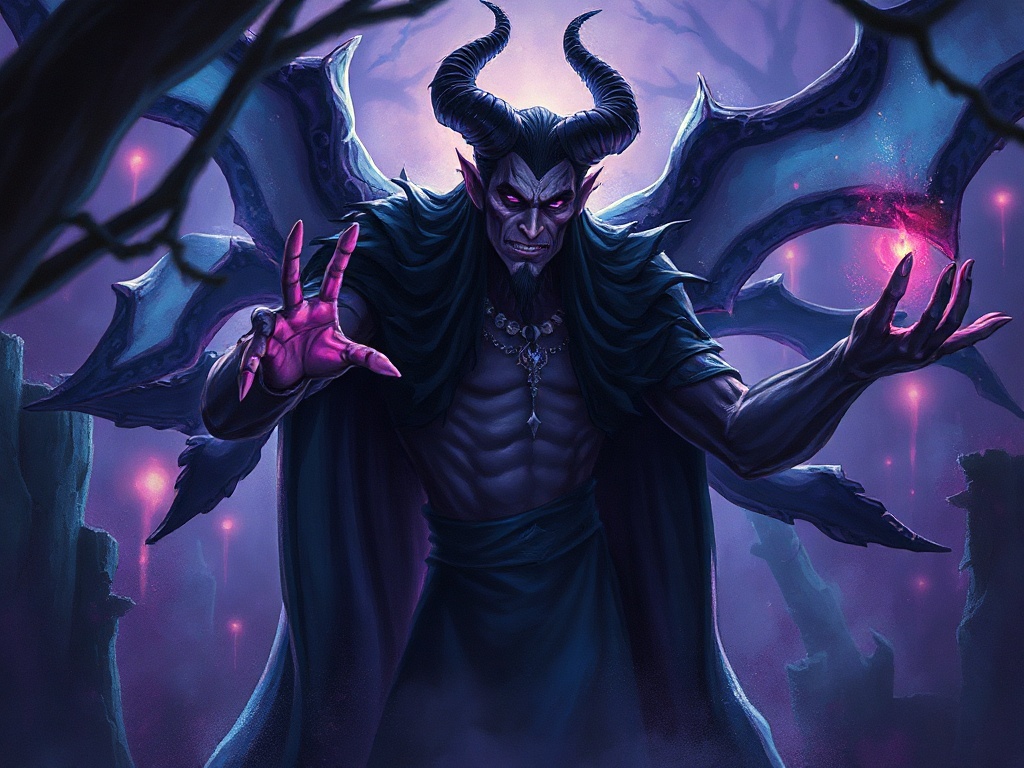
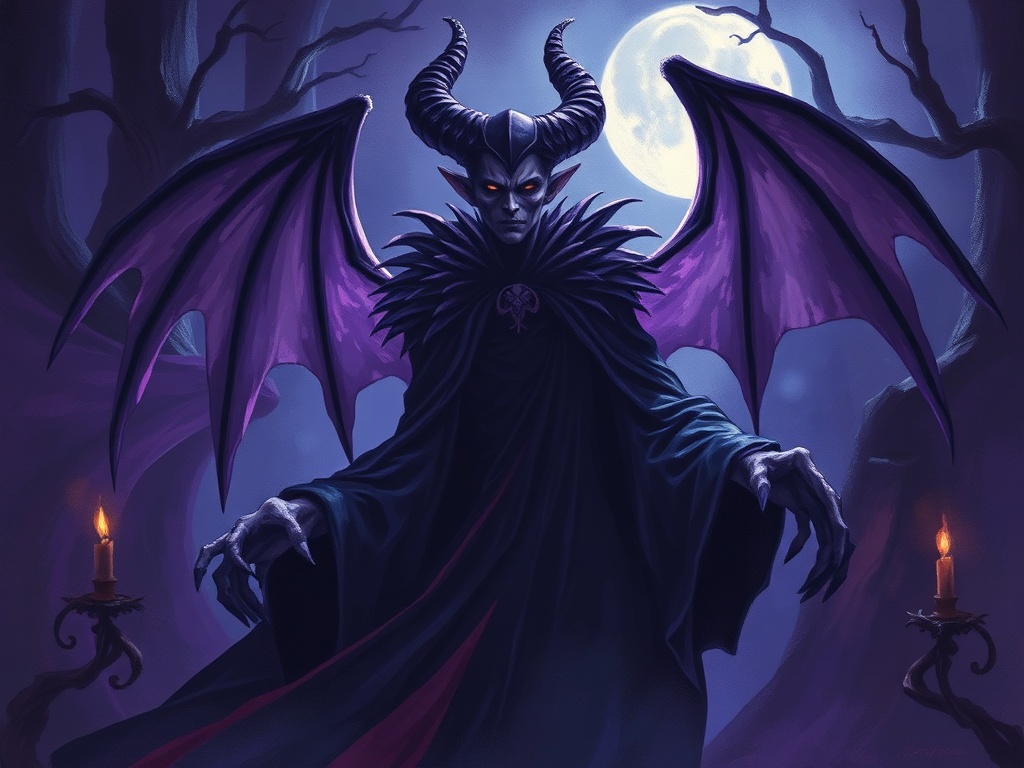
Maleficent represents a different kind of darkness—one that is grand, sophisticated, and ancient. Derived from the Latin *maleficentia*, meaning “doing evil or harm,” her power is not acquired through courtly scheming but is innate, a deep well of dark magic [2]. From her first major appearance in the 1959 animated film, she was designed not as a dusty hag, but as an elegant, green-skinned “vain femme fatale” whose visual style evoked sophisticated menace, akin to a “giant vampire bat” [2].
The Weight of Betrayal
Where the Evil Queen is motivated by personal advancement, Maleficent’s later characterization often leans toward tragedy and misunderstanding [2]. In modern adaptations, her cruelty is frequently shown to stem from immense trauma—such as the violation of her wings by a human king—rather than just simple malice. This shifts her narrative arc from a “petty villain” to a more complex, sympathetic figure. The thematic focus here is not just on the act of doing evil, but on the complex cycle of betrayal, suffering, and the eventual possibility of redemption through the intervention of a pure, genuine love [2].
A Different Kind of Threat
Maleficent’s threat is rarely personal in the same way the Evil Queen’s is; she is often an external, insurmountable force, a supernatural entity that dictates the terms of the hero’s life. This makes her a powerful figure for discussing the overwhelming nature of certain life challenges, contrasting sharply with the interpersonal, court-bound conflicts of the Evil Queen.
Addressing the Shadows: Frequently Asked Questions
When engaging with these iconic figures, parents often find themselves with questions about their personalities and relationships. Here is a quick breakdown of the answers to common queries:
-
What do Maleficent and the Evil Queen smell like?
Both are fantasy figures, but their aesthetics suggest different olfactory profiles. The Evil Queen, tied to potions and courtly excess, might evoke scents of heavy perfume, simmering herbs, or sharp, metallic toxins. Maleficent, with her more ethereal and natural connection to ancient magic and her bat-like features, might be associated with ozone, damp earth, or the faint, rich scent of night flowers.
-
Are Maleficent and the Evil Queen friends?
In traditional canon, they do not have a friendly relationship. However, when adapted together, such as on the Isle of the Lost in the *Descendants* franchise, they establish a fierce, competitive rivalry, often arguing over who is the ultimate ruler of their shared domain [2]. They are allies of convenience and mutually acknowledged rivals rather than true friends [2].
-
Is Maleficent the Evil Queen in Sleeping Beauty?
In the foundational folklore of “Sleeping Beauty,” the identity of the wicked fairy is varied, spanning several versions (Charles Perrault and the Brothers Grimm). In the specific Disney adaptation, the role is filled by Maleficent. While the Disney Evil Queen is derived from the character in “Snow White,” Maleficent is a distinct character designed specifically for Aurora’s tale, though both embody the archetypal wicked fairy figure [1, 2].
Reflections for the Storybook Hour: Thematic Use at Home
Exploring these characters with children is a chance to discuss powerful, abstract themes using concrete images and stories. They are not just figures to be feared, but characters to be analyzed:
- Vanity vs. Self-Worth (The Evil Queen): Use her story to discuss the difference between looking beautiful and feeling secure. Her obsession with external perfection and “being fairest” leads directly to her downfall. This offers a strong lesson in the dangers of comparing oneself to others based on fleeting appearances.
- The Power of Misinterpretation (Maleficent): Modern versions of Maleficent encourage discussions about empathy. Because her malice often stems from trauma (like her lost wings), her story allows children to consider that a person’s anger or cruelty may be a misguided reaction to past hurts or deep-seated injustice.
- Cunning vs. Raw Power (A Note for Educators): The narrative in *Once Upon a Time* specifically highlights how the Evil Queen’s tactical mind and political reach often outmaneuvers the raw magical strength of Maleficent. This is a wonderful way to teach children that intelligence, strategy, and diplomacy are powerful forces [1].
The Enduring Symbolism of the Archetypal Villain
The Evil Queen and Maleficent are more than just obstacles in a story; they are powerful symbols of internal conflict. They represent the parts of ourselves that are jealous, threatened, or feel wronged—the complex darkness that exists alongside the light. The contrast between the Queen’s focused, earthly ambition and Maleficent’s vast, supernatural bitterness allows a child to explore different types of conflict: the small, human pressures of society versus the grand, overwhelming forces of fate and consequence. By studying these dark figures, we not only appreciate the heights of theatrical storytelling but also learn how to navigate the complex emotional shadows within our own lives, turning scary shadows into deep, illuminating truths.
{ “@context”: “http://schema.org”, “@type”: “Article”, “headline”: “Maleficent vs. The Evil Queen: A Guide to Disney’s Darkest Villains”, “image”: [ “https://example.com/evil\_queen.jpg”, “https://example.com/maleficent.jpg” ], “author”: { “@type”: “Person”, “name”: “Magic Stories Author” }, “datePublished”: “2024-10-27”, “publisher”: { “@type”: “Organization”, “name”: “Magic Stories”, “logo”: { “@type”: “ImageObject”, “url”: “https://example.com/logo.png” } }, “description”: “A deep dive into the characters, origins, and thematic roles of the Evil Queen and Maleficent, providing insight for parents and educators.” }


Sources
- The Evil Queen and Maleficent : r/OnceUponATime — reddit.com
- Maleficent — en.wikipedia.org
Frequently Asked Questions
What do Evil Queen and Maleficent smell like?
The Evil Queen might evoke scents of heavy perfume, simmering herbs, or sharp, metallic toxins due to her connection to courtly excess. Maleficent, with her ethereal and natural connection to ancient magic, might be associated with ozone, damp earth, or the faint, rich scent of night flowers.
Are Maleficent and the Evil Queen friends?
In traditional canon, they do not have a friendly relationship. However, when adapted together, they establish a fierce, competitive rivalry and are considered mutually acknowledged rivals and allies of convenience.
Is Maleficent the Evil Queen in Sleeping Beauty?
Maleficent is the specific Disney adaptation filling the role of the wicked fairy in the story of Aurora. While the Evil Queen is derived from the character in 'Snow White,' Maleficent is a distinct character designed specifically for Aurora's tale.
Related Articles