

Why 5-Minute Bedtime Stories Are Key to Calm and Emotional Growth


Introduction
In a world of endless screen stimulation and sprawling narratives, the most powerful stories are often the briefest. We live in an age where short attention spans are a reality for many young listeners, but this need for brevity should never be mistaken for a need for superficial content. Instead, the 5-minute story—the “super short” tale—is a sophisticated tool. It is a precisely timed vessel for emotional truth, designed to meet a child at their moment of transition, offering wisdom and wonder right as their energy begins to settle [1].
For parents and educators, these bite-sized narratives are more than just fillers for bedtime; they are focused exercises in emotional regulation, self-discovery, and mindful acceptance. By condensing profound human experiences—like finding belonging or mastering the fear of change—into a manageable narrative arc, short stories allow children to digest complex ideas before the heavy curtain of sleep falls. This article explores how these seemingly simple tales function as powerful, miniature lessons for character, identity, and calm, providing you with specific ideas and stories to enrich your routines.
The Five-Minute Window: Why Brevity Works for the Developing Mind
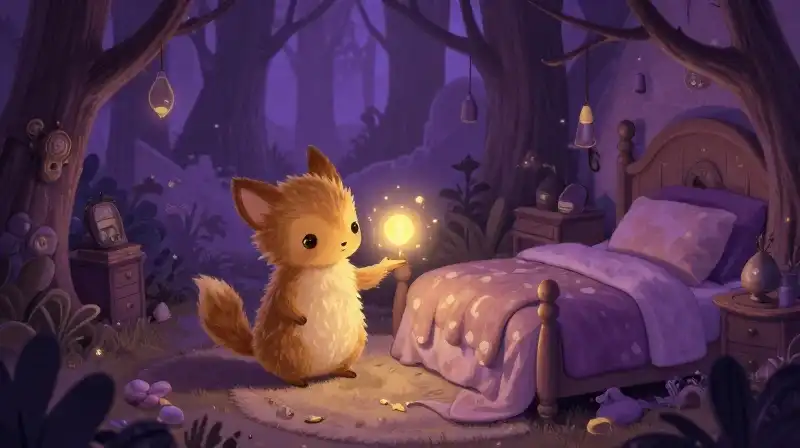
The power of the super short story lies in its economy. It respects a child’s limited pre-sleep focus, avoiding the overstimulation that lengthy, high-paced narratives can cause just when they are most vulnerable to winding down [1]. However, “short” doesn’t mean “simple.” A powerful 5-minute story is built on a central, poignant conflict that is immediately relatable, allowing the child to anchor their emotions and follow a complete arc of struggle and resolution within a brief timeframe. This pacing helps establish a rhythm—the comforting, predictable cadence of story followed by the calm of sleep—which is vital for reliable emotional grounding.
The Psychology of the Perfect Transition
Before a child drifts off, they are in a state of high sensory processing—their bodies are relaxed, but their minds often race, rehashing the day’s events or anticipating the next. A super short story acts as a psychological “landing strip.” It gently redirects that racing energy into the quiet focus required for a story. Instead of fighting their restless thoughts, the child uses the story’s imagery—be it the soft glow of a moonlit owl or the gentle swell of a giant ocean—as an external map for their own internal landscape, making the process of calming their own breathing feel like a natural part of the narrative [1].
Themes and Tales: Using Short Stories for Emotional Growth
The best 5-minute tales are masters of metaphor, using characters or creatures as mirrors to the children’s own internal struggles. Here is how specific themes are navigated in the brief, powerful formats of bedtime stories:
- Navigating Big Feelings (Emotional Regulation): The imagery of a “Big Wave Coming” is a beautiful example of how brief narratives can handle massive feelings. The giant ocean wave doesn’t just represent sadness or frustration; it mirrors a child’s own big, overwhelming feelings. By actively pairing the story with calming exercises, the tale helps children externalize their internal turmoil and gives them a gentle way to process the feeling into something manageable [1].
- Finding Quiet Identity and Peace: In stories like “Iona Kitten Star,” the transition from the stressful, high-energy world of stardom to a place of quiet belonging provides a profound metaphor. It addresses the modern child’s search for self—a desire to leave the pressures of the busy world and find a place that simply accepts who they are, focusing on mindful settling rather than achievement [1].
- The Beauty of Self-Acceptance: Narratives like “The Owl Who Stopped Pretending” use gentle, moonlit imagery to show a character finding joy in their true nature. This is a quiet lesson in self-confidence. It’s not a loud, aggressive lesson, but a soft recognition of innate worth, teaching young listeners that authenticity is a quiet strength [1].
- The Art of Self-Compassion through Playful Comedy: Sometimes, the easiest way to ease a bedtime routine is through gentle humor. The premise of a kitten searching for the “Comfier Than Mine!” bed uses highly relatable, silly scenarios to make the act of settling down feel cozy and inviting, transforming a routine rule into a moment of shared, sleepy warmth [1].
- Gaining Courage and Wisdom Safely: Even complex themes like facing danger can be digested safely. “The Boy and the Sorcerer” demonstrates how short tales distill big concepts like courage, seeking wisdom, and outsmarting a perceived danger into a brief, satisfying fairy tale framework, making them perfectly palatable for younger minds [1].
How to Apply Super Short Stories: A Practical Guide for Educators and Parents

The real value of these tales is in how they can be used in everyday life. By blending these 5-minute formats, you can build a robust, imaginative routine that supports emotional intelligence and intellectual curiosity.
Curation by Age: Matching the Story to the Listener
Curation is key to effectiveness. A 5-minute story for a three-year-old is fundamentally different from one for a six-year-old. Matching the story to the child’s developmental stage ensures the experience is both comforting and intellectually engaging [1].
| Age Range | Ideal Format | The Focus |
|---|---|---|
| Age 0-3 (Infants/Toddlers) | No-Word / Picture Books (Picture-only) | Sensory rhythm, comfort, simple emotional cues. |
| Age 4-6 (Preschool) | Simple Picture Books / Basic Fairy Tales | Identity, basic morals, imaginative problem-solving. |
| Age 6+ (Early Readers) | Fables / Short Narrative Retellings | Social concepts (sharing, empathy), courage, complexity. |
Addressing Modern Anxieties with Magic
When modern anxieties—like fears of technology or digital boundaries—begin to feel too heavy for a traditional lesson, the 5-minute format allows these issues to be processed through a safe proxy. In “Clickety the Curious Cat,” a tale about a kitten learning a lesson from a tempting pop-up provides a stress-free entry point to discussing internet boundaries without introducing genuine real-world fear. This use of magical or animal surrogates allows for a “soft entry” into complex topics [1].
Exploring Moral Concepts Through Imagination
The brevity of the format allows the child’s imagination to do the work of deep moral reflection. A story like “Sharing is Caring” does not just tell the child to share; it uses the child’s own imagination to explore the question: what would it *feel* like to share everything? This sparks deep, pre-sleep conversation about empathy without demanding a long attention span, making the conversation meaningful rather than forced [1].
The Power of Imaginative Play as a Solution
Finally, the super short story often serves to empower the child by showcasing the brilliance of their own imagination. “Too Many Socks for the Sock Eaters” tells the story of a brave girl whose greatest asset isn’t physical strength, but her creativity. In a quirky kingdom, she uses her imagination to solve a problem, powerfully modeling for the young listener that their own creative play and internal world are potent tools for problem-solving [1].
Conclusion: The Enduring Magic of the Brief Tale
5-minute bedtime stories are not merely a convenient way to pass time; they are carefully crafted bridges across the transition from the active world to the tranquil world of dreams. They teach self-acceptance through an owl, empathy through a simple act of sharing, and bravery through a mischievous kitten. They validate the necessity of imagination, allowing a child to see their own internal creativity reflected in the story. By blending these brief, evocative tales—using a combination of funny poems, fables, and gentle picture books—you establish a routine that is not only soothing but genuinely illuminating, ensuring that the last moments of the day are spent not with a sense of exhaustion, but with a quiet, confident sense of emotional completeness.
Sources
- 5 Min Stories | Bedtime Stories — storyberries.com
Related Articles