

SpongeBobs 5-Minute Tales: Fun Bedtime Stories for Kids

Introduction
The transition from the bright, fast-paced glow of the television to the soft, shadowed quiet of a child’s bedroom is a pivotal moment in the evening routine. For many parents and educators, this shift requires a “safe” piece of content—something imaginative enough to hold a child’s attention but simple enough not to derail their pre-sleep wind-down. The SpongeBob SquarePants 5-Minute Stories Collection offers exactly this: a curated dive into the joyful undersea world of Bikini Bottom, specifically engineered to function as a charming nightly ritual rather than a lengthy distraction [1]. Rather than relying on the slow pacing of traditional folklore, this anthology brings modern, buoyant worldbuilding to the bedtime table, turning the familiar silly adventures of SpongeBob and his friends into comforting, manageable chapters for the youngest listeners.
Why the Five-Minute Format? The Rhythm of Bedtime Storytelling

The core genius of this collection lies in its deliberate brevity. In a world where screen time often feels like it lasts indefinitely, a five-minute story offers a predictable, low-stakes commitment for both the parent and the child [1]. This structure is not merely about being “short”; it is about the pacing of the narrative. Short, punchy, humor-driven tales prevent the “overstimulation” that can occur with sprawling, dense stories, making the content perfectly calibrated for a child’s decreasing attention span and winding down energy. These quick bursts of imaginative play act as a bridge, easing children from the high energy of the day into the calmer environment of sleep, all while celebrating the characters they already adore [1].
Navigating the Bikini Bottom Pantheon: The Ensemble Cast
At the heart of any successful children’s book is the strength of its character dynamics. In these stories, the ensemble acts as a perfect microcosm for healthy social learning. They are defined not by the lack of conflict, but by the persistent way they navigate it [1].
SpongeBob: The Optimistic Catalyst
SpongeBob himself embodies “joyfully optimistic” energy [1]. He is the eternal engine of the story, often jumping into fantastical situations with unwavering enthusiasm, whether it is attending a magical pirate quest or embarking on a literal journey to the moon with Sandy. His defining trait is pure, unbridled persistence, which teaches young readers the importance of effort even when the task seems wildly out of reach.
Patrick: The Loyal, Unconventional Heart
Patrick serves as the grounding foil to SpongeBob’s boundless energy. Often characterized by his endearing dim-witted charm, Patrick embodies unconditional loyalty. He is the “loyal friend” whose simple acceptance of SpongeBob’s eccentricities models a profound early lesson in empathy and acceptance of differing personalities [1].
Squidward: The Exasperated Pragmatist
Squidward provides the necessary “relatable frustration.” As the frequently exasperated third party, he acts as the grounded voice of logic within the chaos. His reactions—often sigh of profound annoyance—allow young readers to connect with their own feelings of being overwhelmed, offering a gentle, humorous way to process exasperation and the challenge of maintaining composure amidst surrounding silliness [1].
Worlds Within Minutes: Analysis of Iconic Tales
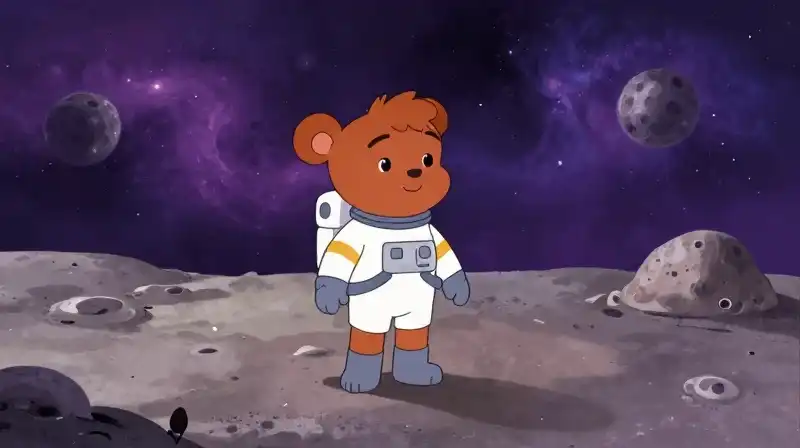
While the collection covers a wide range of silliness, certain stories excel in their ability to use genre tropes to teach abstract concepts in a humorous way. They are lessons, delivered via fantastical short film.
The Space Explorer: Sandy Cheeks and the Lunar Adventure
One standout tale takes the neighborhood trip to the moon, blending the undersea world with science fiction [1]. This story serves as a delightful way to introduce children to concepts of science and space exploration. Sandy Cheeks, as the scientific anchor, validates the importance of education and preparation, showing that even in the most fantastical settings, intelligence and curiosity are the most important tools for discovery [1].
The Ghostly Treasure: The Flying Dutchman Motif
For young readers intrigued by magic and pirates, the search for the Flying Dutchman’s haunted treasure provides a playful introduction to mild spectral motifs [1]. The story handles ghost concepts not through genuine fear, but through silly, fantastical encounters, allowing parents to safely introduce themes of “spectral magic” in a comforting context. It frames the idea of hauntings as an adventure rather than a nightmare.
The Cowboy Plankton: Genre Mastery in the Old West
The inclusion of Plankton in an Old West adventure is a brilliant piece of literary miniaturization [1]. By placing the usually microscopic villain in a massive, sweeping storybook setting, the tale teaches children about the conventions of a genre—like cowboys and standoffs—through the comedic lens of extreme absurdity. It encourages an understanding of narrative structure (introduction, rising action, climax) even in a highly comedic framework [1].
Themes Under the Waves: Lessons Beyond the Laughter
Beyond the laughs and the bubbles, these five-minute narratives distill several critical life lessons into easily digestible chunks:
- Persistence Over Perfection: SpongeBob’s refusal to give up on a goal, even when it is absurd, models the idea that effort is more valuable than instant success, a crucial lesson for young learners [1].
- The Importance of Companionship: The constant reinforcement of SpongeBob and Patrick’s bond highlights the essential role of friendship in navigating the world, suggesting that we are all better together [1].
- Embracing Diversity: The way the characters interact with their differing personalities—Squidward’s grumpiness balanced by SpongeBob’s enthusiasm—teaches young children about accepting and appreciating varied viewpoints within a shared community [1].
Addressing Common Concerns: Is SpongeBob Too Silly for Bedtime?
The question often arises: Can such an outwardly comedic, silly franchise be truly “soothing” for the winding down period? The answer lies in the “joyfully optimistic” tone [1]. Unlike stories that are either highly dramatic or truly somber, The SpongeBob SquarePants 5-Minute Stories Collection offers a consistent emotional baseline of warmth. By focusing on the characters’ internal states—joy, friendship, even mild frustration—rather than external conflict, the stories provide emotional comfort. They do not promise deep philosophical wisdom, but they promise reliable, gentle companionship in the pages of a book, which is precisely what many families need to successfully bridge the gap from “playing” to “sleeping” [1].
Synthesis: The Remarkable Comfort of Familiar Silliness
SpongeBob SquarePants 5-Minute Stories Collection is remarkable because it successfully packages energy into brevity. It leverages the massive cultural familiarity of an Emmy award-winning franchise to create a literary anchor for families [1]. By dedicating specific, timed segments to adventure, friendship, and mild magic, the book satisfies a child’s deep need for playful escapism while strictly adhering to the “five-minute wind-down window” [1]. It demonstrates that bedtime stories do not always need to be heavy folklore; they can simply be warm, beautifully illustrated, and profoundly comforting reminders that even in the weirdest, most fantastical underwater world, friendship and a little bit of magic are always enough.
Sources
- SpongeBob SquarePants 5-Minute Stories Collection – Author Random House; Illustrated by Random House – Random House Children’s Books — rhcbooks.com
Related Articles