Fairies vs. Elves: From Dark Mythology to Bedtime Sprites

Introduction
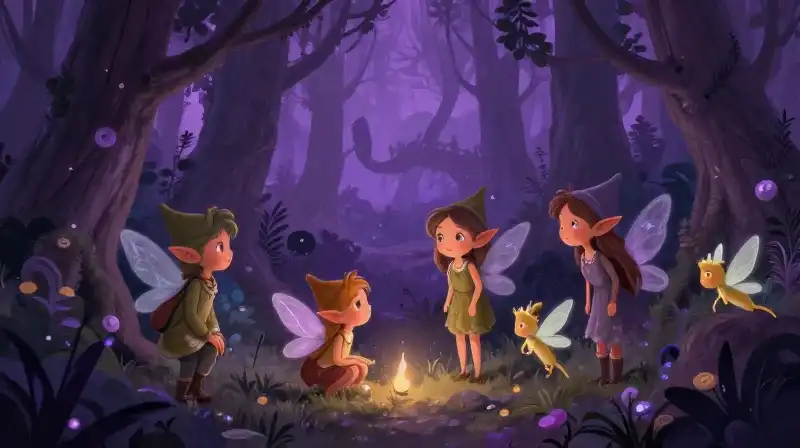
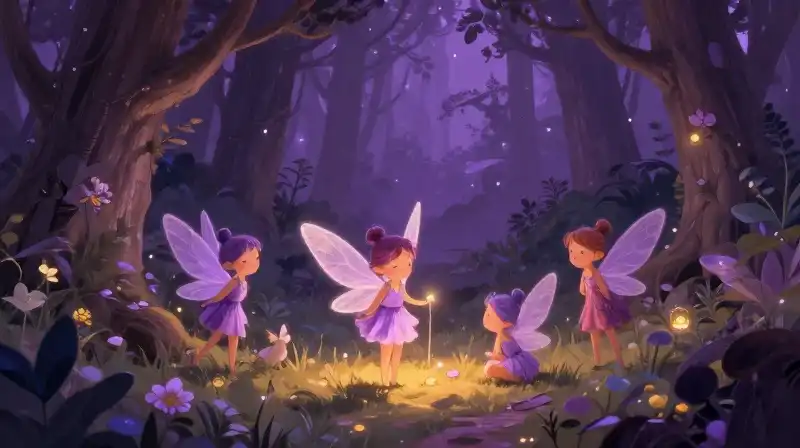
The world of children’s fantasy is often a blur of glittering wings and moss-covered woods. Whether we are tucked into bed with a gentle story of tiny sprites or venturing into a grand tale of ancient kingdoms, we encounter creatures that blur the lines between the fantastical and the deeply rooted in folklore. Among the most beloved—and most often confused—are the fairies and the elves. While modern storybooks often treat them as interchangeable, both charming and convenient, these magical beings actually descend from distinct, powerful, and sometimes quite dangerous mythological origins [1, 3]. Understanding the difference between a mischievous Seelie sprite and a wise, long-lived elf helps us not only appreciate the nuance of classical literature like *A Midsummer Night’s Dream*, but also provides rich, sophisticated frameworks for classroom lessons and soothing bedtime stories.
The Distinct Roots of Fair Folk
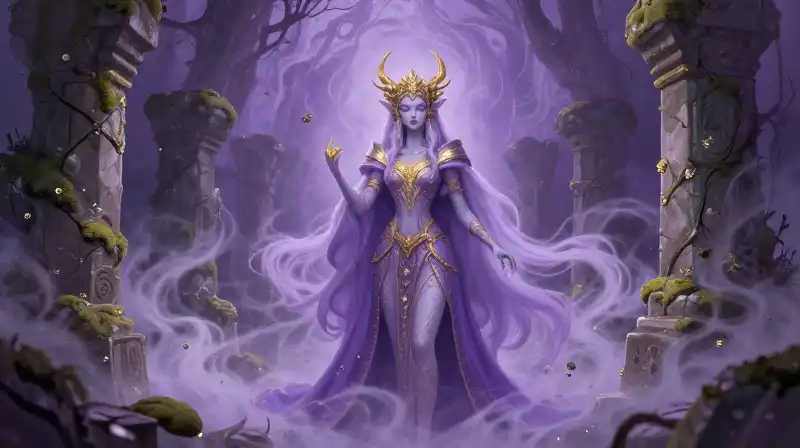 To truly understand these creatures, we have to look back before they were softened by Victorian illustrations and Disney magic. Fairies and elves do not share a singular ancestor; they are the product of separate and potent mythological traditions.
The Celtic Fae: Tricksters of the Otherworld
The oldest forms of the “Fae”—a broad term encompassing various nature spirits, sprites, and goblins—find their deepest roots in Celtic, particularly Irish, legends of the *Tuatha De Danann* [2]. In their original state, these beings were not merely delicate woodland sprites; they were often human-sized, magnificent, and possessed a regal power that inspired awe and a bit of dread. The Fae operate under a complex moral code: they cannot outright lie, but they are the masters of illusion and dangerous bargains. They look down upon humans, often serving as tricksters who initiate mortal visitors into perilous realms [2]. This rich mythology is structured by political hierarchies, notably the Seelie (Summer) and Unseelie (Winter) courts [2]. These structured factions provide a fascinating layer of magical politics that educators can use to discuss themes of cosmic balance, opposing forces, and duty.
The Germanic Elves: Guardians of the Ancient Woods
In contrast, the roots of the “Elves” trace back primarily to Germanic and Scandinavian myths [1]. Unlike the capricious Fae, elves were generally portrayed as tall, wise, and deeply connected to the land. While the modern, high-fantasy interpretation—heavily influenced by J.R.R. Tolkien—often portrays them as beings who eventually tire of human violence and retreat to mystical dimensions [1, 3], their core essence remains that of noble, nature-loving spirits [1, 2]. They are less about trickery and more about immense age and protective magic.
Fae vs. Elves vs. Fairies: Decoding the Terminology
The confusion between these three terms is not accidental; it is a result of centuries of cultural mixing and linguistic flexibility in modern fantasy worldbuilding [2].
| Term | Primary Mythological Origin | Typical Characteristics | Modern Storybook Trope |
|---|---|---|---|
| Fae | Celtic / Irish (Tuatha De Danann) | Broad umbrella; powerful, often immortal, capable of trickery; highly diverse [2]. | Ancient, often dangerous, highly mystical creatures; high-fantasy politics [2]. |
| Elves | Germanic / Scandinavian | Wise, nature-loving, tall, long-lived; connected to mystical realms [1, 2]. | Noble guardians; spiritual guides; high-fantasy heroes (e.g., Tolkien’s models) [1, 3]. |
| Fairies | Victorian / Romantic Era | Small, winged, human-like; mischievous; dwell in meadows and streams [1, 2, 3]. | Gentle, often benevolent, child-friendly spirits; sprites like Tinkerbell [1, 2, 3]. |
| The “Fae” acts as the massive, encompassing category—it is the umbrella term that can include sprites, goblins, and even elves depending on the author or folklore being referenced [2]. When we talk about the “Fairies” of picture books, we are usually referencing the sweet, small, often harmless creatures popularized by Victorian “flower fairies” and the whimsical energy of J.M. Barrie’s Tinkerbell [1, 2, 3]. |
The Great Transformation: From Cruelty to Comfort
 What makes these creatures so compelling to parents and educators is their dramatic evolution. The ancient Fae were often quite terrifying; they possessed dangerous, cruel, and sometimes deadly sides [1, 2, 3]. Their encounters with humans were perilous bargains and traps. However, as storytelling became more focused on soothing and moral education, their lore was carefully softened. The Victorian era, in particular, smoothed out the Fae’s sharp edges, transforming them into peaceful, child-friendly sprites. It was this “softened” interpretation that convinced figures like Sir Arthur Conan Doyle of their existence, making them accessible to a wider, child-focused audience [1, 2, 3]. While this softening made them perfect for gentle bedtime stories, it didn’t erase their magical undercurrent. The original lore still holds powerful symbols, such as the creatures’ extreme vulnerability to “cold iron.” This element—iron acting as a mortal’s primary defense against fairy trickery or curses—remains a universal motif across almost all European traditions and modern fantasy [2].
Practical Application: Using Fairies and Elves in Storytelling and Teaching
For parents looking for soothing bedtimes and educators seeking thematic material, the duality of these creatures offers deep, usable lessons.
Environmental Guardians and Nature Themes
In contemporary storytelling, these beings have undergone a powerful re-imagining. Far from being purely capricious, they are increasingly reimagined as guardians of the natural world. They can appear as magical helpers in the fight against environmental destruction, making them ideal symbols for classroom themes focusing on conservation and Earth-consciousness [1, 3]. A story featuring a powerful Fae protector of a local stream or a wise Elf who guides travelers through a protected forest can convey deep respect for ecology.
Mischief, Morality, and Magic in Practice
If you are working with a child who enjoys a little spirited mischief, the trickster aspects of Fae lore are perfect. Shakespeare’s *A Midsummer Night’s Dream* remains the ultimate entry point for introducing children to the complex, mischievous nature of these creatures [1, 3]. The characters’ ability to cause delightful chaos while operating by strict magical rules allows for wonderful discussions about consequences and the fine line between harmless play and real danger.
Designing a Magical World: Hierarchy and Contrast
When building your own stories or exploring the mythology, utilize the structures of Celtic lore. By referencing the Sidhe (or Aes Sidhe), the ruling class of the Fae, and their distinct courts (Seelie vs. Unseelie), you can instantly provide a rich framework for magical settings. This gives children a sense of organized magical politics, moving beyond simple good-versus-evil into a complex system of opposing, yet balanced, powers [2].
Conclusion: The Enduring Power of the Myth
The journey from the cold, dangerous spirits of the ancient Celtic Otherworld to the glittering, benevolent sprites of the modern picture book is a fascinating cultural arc. Fairies and elves are more than just characters; they are symbols of change, resilience, and the enduring human imagination [1, 2, 3]. Whether your child needs a peaceful, woodland tale to drift off to sleep, or a complex, high-fantasy epic to explore themes of nature and ancient power, understanding the true depths of these beings allows you to connect with the stories on a level far deeper than just a pretty illustration.
Sources
- Elves and Fairies — yalebooks.yale.edu
- What is the differences between faeries, fae, and elves? : r/Fantasy — reddit.com
- Elves and Fairies - Yale University Press London — yalebooks.co.uk
Related Articles