
Understanding the Difference: Fables, Folktales, and Legends

Introduction
We often look at children’s stories—the ones found tucked into vintage storybooks or recited under the warm glow of a bedside lamp—as a single, sprawling garden of tales. But if you pull those roots up, you’ll find several distinct types of seeds. Are we talking about a moral lesson disguised as a short tale? A grand, magical adventure with talking beasts? Or a heroic saga involving a character so oversized they must be “larger than life”? For parents, educators, and story lovers, knowing the difference between a fable, a folktale, and a legend is the key to decoding the underlying purpose and beauty of the story before you even turn the page.
While they all fall under the broad umbrella of “traditional tales” or “fiction” [1], each genre serves a unique role in our culture. Understanding these distinctions doesn’t just elevate your literary analysis; it allows you to find the perfect story for the perfect moment—whether you need a quick allegory to discuss character flaws or a mystical creature to spark a vivid bedtime imagination.
The Foundational Purposes of Children’s Literary Forms
To truly understand these genres, we must look past the colorful illustrations and consider the intent behind the narrative. Do these stories intend to teach a specific lesson, represent cultural memory, or tell an epic tale of human—or superhuman—endurance?
Fables: The Lesson in Allegory
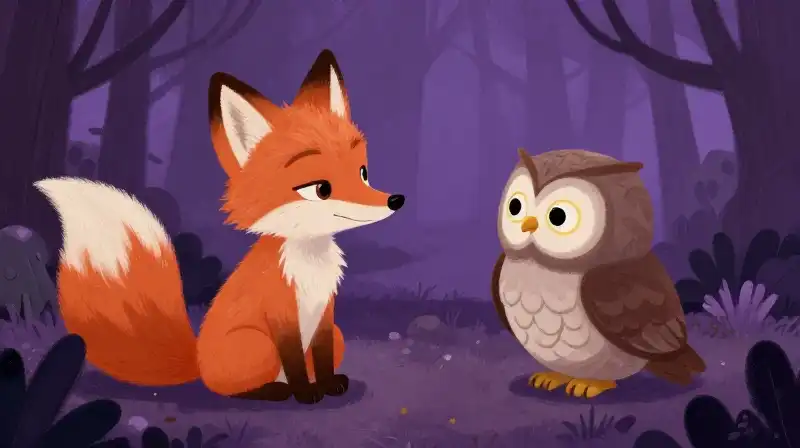
A fable is essentially a miniature sermon. It is a short, allegorical narrative whose entire purpose is to impart a discrete moral point [2]. Traditionally, fables utilize animal characters that speak and behave as if they were human, allowing the writer to explore complex human virtues and vices through an innocent, relatable lens. The moral is usually quite explicit, offering a clear takeaway for the young reader.
- Core Function: Instruction (delivering a clear moral point) [2].
- Structure: Short, focused, and allegorical.
- Common Vehicles: Animals (e.g., Aesop’s Fables) [2].
- Example Focus: *The Tortoise and the Hare* – focusing not just on the race, but on the value of perseverance over speed.
Folktales: Cultural Heritage and Oral History
If the fable is a targeted lesson, the folktale is a tapestry of culture. This category is a much broader group of traditional narratives that have been passed down orally, often anonymously [2]. Folktales are the heartbeat of a community, representing common human experiences and cultural heritage rather than a single, discrete moral lesson [2]. They are the narratives that often feel the oldest and most universally resonant.
- Core Function: Preservation of culture and communal memory [2].
- Structure: Highly variable; they can include fables, legends, and fairy tales [2].
- Key Indicators: Magic, magical creatures, and the theme of good triumphing over evil are strong indicators of a fairy tale subgenre within the folktale realm [2].
- Example Focus: *Cinderella* or various stories involving a helpful mystical creature, where the journey and the magic are as important as the lesson.
Legends: The Exaggerated Hero
Legends inhabit a space somewhere between the practical lesson of a fable and the deep magic of a folktale. They are hero stories that are distinct because their characters are not necessarily allegorical animals or entirely mythical beings—they are real-world figures, or at least figures rooted in a semblance of reality. The defining characteristic of a legend is exaggeration; these characters are often described as “larger than life” [2].
- Core Function: Celebrating human (or mythic) achievement and history.
- Structure: Often features historical or geographical elements.
- Key Indicators: Extreme feats and physical exaggeration.
- Example Focus: Characters like Paul Bunyan or Pecos Bill, who embody exaggerated skill and power rather than a simple moral lesson [2].
A Quick Comparison: How to Classify a Tale
Distinguishing between these forms helps parents and educators classify different types of stories for their children’s development [1]. While all three types of literature are foundational to literacy, they deliver different reading experiences.
| Feature | Fable | Folktale | Legend / Tall Tale |
|---|---|---|---|
| Primary Goal | Teach a specific moral lesson. | Represent cultural heritage and common experiences. | Celebrate the greatness of exaggerated heroes. |
| Character Nature | Allegorical (often animal). | Human or human-like (often magical). | Real or semi-real figures, highly exaggerated. |
| Tone | Moral, didactic, focused. | Imaginative, often mystical or whimsical. | Epic, grand, humorous, or awe-inspiring. |
| Example | Aesop’s tales. | Traditional fairy tales (e.g., those featuring mystical creatures) [2]. | Paul Bunyan, Pecos Bill [2]. |
Addressing the Common Confusion: What is an example of a folktale fable?
A frequent question for story enthusiasts is, “What is an example of a folktale fable?” The short answer is that the word “folktale” is a “big umbrella” and “fable” is a specific type of story that happens to live under it. Think of a folktale as the entire library, and a fable as one very specific section within it.
By definition, fairy tales—which fall under the broader category of folktales—are often characterized by the presence of mystical creatures [2]. If a story like *Goldilocks* is found in a collection of “Folktales,” and it has magic (the three bowls being perfect, too hot, too cold), it is a classic example of a folktale. However, if the story you are reading focuses on an animal behaving like a human to teach a very specific moral lesson, it is a fable. These forms are frequently grouped together in collections of “traditional tales” [1], highlighting their shared ancestry even as their individual purposes diverge.
Why This Matters for Bedtime and the Classroom
For parents, understanding these nuances allows for much more thoughtful story selection. If your child is struggling with sharing or honesty, a classic fable (like *The Boy Who Cried Wolf*, even though it has a darker edge) provides a clear, actionable example of a mistake and its consequence. If your child needs to feel secure and connected to a larger, comforting world, a folktale rich in ancient magic can foster a sense of cultural wonder. If they are ready to tackle themes of perseverance and massive scale, a tall tale offers a powerful sense of wonder through sheer exaggeration.
Literature spanning these diverse forms is an invaluable resource for thematic analysis and reader development, grounding stories in tangible, usable ideas for the classroom and the nursery [1]. Whether you are looking for foundational skill-building texts or complex imaginative analysis, distinguishing between these literary forms provides a clear roadmap to the heart of the story.
Sources
- Legends, Fables & Folktales Series — continentalpress.com
- Library Guides at Georgia Southern University — georgiasouthern.libguides.com
Frequently Asked Questions
What is an example of a folktale fable?
The article does not provide a single example that is both a folktale and a fable. It clarifies that 'folktale' is a broad umbrella encompassing stories with magic or mystical creatures, while a 'fable' is a specific type of story, usually featuring an animal, that teaches a discrete moral lesson.
Related Articles