
What tear-themed folktales are ideal for multicultural families

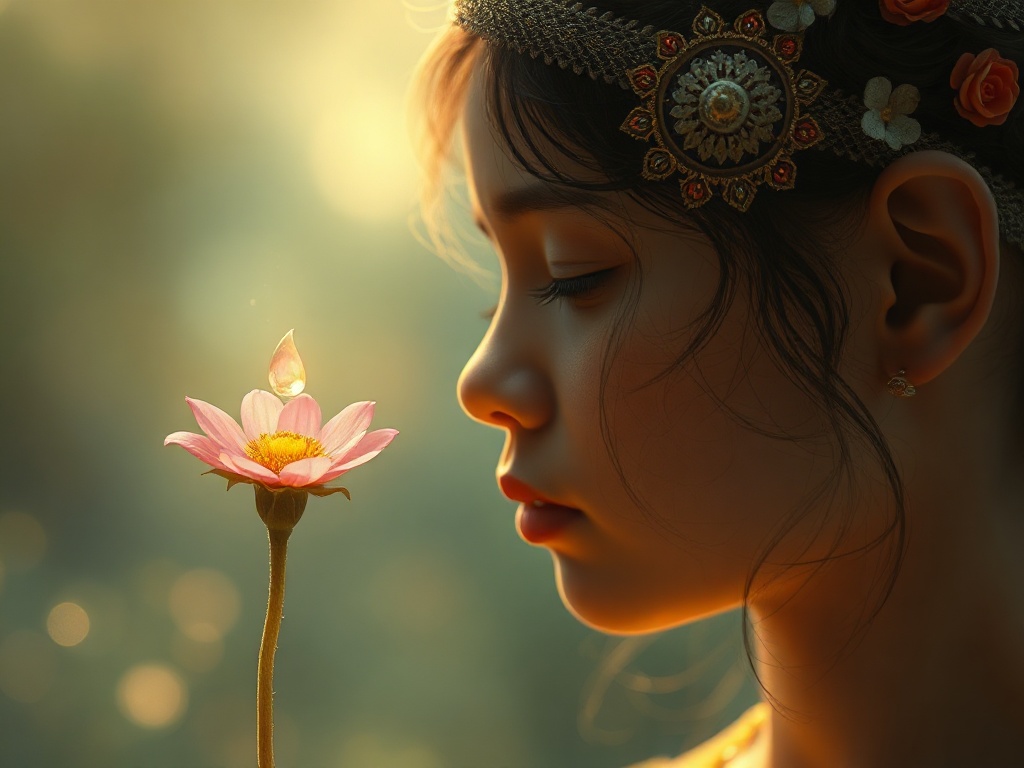
Tears, a universal expression of emotion, transcend cultural boundaries. From joy to sorrow, grief to empathy, tears tell stories that resonate deeply within us. Exploring folktales centered around tears offers a beautiful opportunity for multicultural families to connect, learn about diverse traditions, and foster emotional literacy. These narratives, often rich in symbolism and allegory, can spark conversations about feelings, resilience, and the power of human connection, bridging cultural gaps through shared emotional experiences.
Folktales, passed down through generations, are more than just entertaining stories; they are vital carriers of cultural values, beliefs, and historical context. Focusing on tear-themed tales allows us to delve into how different cultures conceptualize and process emotions. Sharing these stories with children, particularly within a diverse family setting, provides a chance to celebrate differences and discover commonalities, demonstrating that while expressions of emotion may vary, the underlying feelings are fundamentally human.
## The Japanese Tale of the Weeping Cherry Blossoms
The Japanese tale of the weeping cherry blossoms, or Shidarezakura, is often linked to a tragic love story and embodies themes of loss and acceptance. Legend has it that a princess, overcome with grief after her lover’s death, wept so profusely that her tears sprouted into beautiful, cascading cherry blossoms. The delicate beauty of the flowers serves as a poignant reminder of the enduring power of memory and the bittersweet nature of love.
This story, deeply rooted in Japanese aesthetics and their appreciation for ephemeral beauty (mono no aware), presents an excellent opportunity to discuss grief and acceptance with children. You can explore the symbolism of the cherry blossom, which represents both the beauty of life and its fleeting nature. Highlighting the princess’s ultimate acceptance of her loss, despite the overwhelming pain, can provide a powerful lesson in resilience and finding beauty amidst sadness.
Finally, compare this tale with similar stories of nature embodying grief in other cultures. Are there similar legends about trees, flowers, or landscapes born from sorrow in your family’s heritage? Exploring these parallels can foster a deeper understanding of universal emotions and the diverse ways different cultures express them – fostering both cultural awareness and connection.
## The Native American Legend of the Sky Woman and the Tears of Creation
Many Native American cultures feature creation stories involving tears, often illustrating the power of emotion to shape the world. One compelling example is the Sky Woman legend, prevalent in various Algonquin tribes. Sky Woman, banished from the heavens, falls to Earth and eventually gives birth to humanity. In some versions, her tears, mingled with the soil, nourish the land and contribute to the creation of life.
This tale offers a valuable chance to discuss the origin stories inherent in different cultures, emphasizing the cyclical nature of life and the importance of respecting the earth. The concept of tears contributing to creation introduces a powerful idea: even sorrow and difficulty can have a positive, life-giving impact. Talking about the interconnectedness of Sky Woman, the land, and humanity highlights the spiritual beliefs central to many Native American cultures - a celebration of nature.
Furthermore, discussing the importance of oral traditions in preserving these stories can be incredibly insightful. Encourage children to imagine how these tales were passed down through generations, emphasizing the role of storytelling in community building and the preservation of cultural heritage. Consider exploring other Native American stories centered on natural phenomena and their connection to emotions.
## The Slavic Folktale of Baba Yaga and the Crying Willow Tree
Slavic folklore often depicts Baba Yaga as a complex and ambiguous figure, sometimes benevolent, sometimes malevolent. In certain versions, she encounters a crying willow tree whose tears have caused a river to flood. Baba Yaga, using her magical abilities, helps to restore balance, demonstrating a surprising capacity for compassion and intervention even for a seemingly fearsome character.
This folktale presents a unique opportunity to explore the nuances of character development and challenge preconceived notions. Baba Yaga is not simply “evil”; she possesses both power and empathy. Discussing the complexities of her motivations can help children understand that people, and even mythical figures, are rarely purely good or purely bad, promoting a more nuanced view of human nature - a lesson that encourages understanding.
Furthermore, the story’s focus on restoring balance and addressing environmental issues subtly introduces themes of responsibility and the interconnectedness of nature and human actions. Discussing the consequences of the flooding caused by the willow’s tears can spark a conversation about environmental stewardship and the importance of maintaining harmony.
## The Celtic Myth of the Children of Lir and Their Frozen Tears
The Irish myth of the Children of Lir is a heartbreaking tale of betrayal and transformation. A wicked stepmother, envious of her stepchildren’s beauty and affection for their father, transforms them into swans, forcing them to spend centuries on a lake, unable to speak. Their frozen tears, remnants of their human sorrow, signify their enduring suffering and longing for freedom.
This poignant story allows for a powerful exploration of themes like sibling loyalty, injustice, and the enduring power of hope. Discussing the children’s unwavering bond despite their terrible ordeal can inspire children to value familial connections. The imagery of frozen tears offers a visually striking representation of bottled-up emotions and the importance of expressing feelings—a crucial lesson in emotional intelligence.
Finally, you can use this story to discuss the concept of exile and displacement, drawing parallels to contemporary issues of immigration and refugee crises. The Children of Lir’s longing for home and the injustice of their situation can prompt thoughtful conversations about empathy, social justice, and the importance of advocating for those who are marginalized.
## The Chinese Legend of the Moon Rabbit and Tears of Jade
The Chinese legend of the Moon Rabbit is a beautiful story about sacrifice and compassion. According to the legend, a rabbit, wanting to help an old man and his sick daughter, sacrifices itself to feed them. The Jade Emperor, witnessing this act of selfless kindness, grants the rabbit immortality and places it on the moon to eternally pound the elixir of life. In some versions, the rabbit sheds tears of jade, representing its eternal sorrow and devotion.
This legend provides a wonderful opportunity to discuss the virtues of compassion, sacrifice, and selflessness, key values in Chinese culture. The rabbit’s willingness to give everything for others highlights the importance of empathy and helping those in need. Exploring the symbolism of jade, traditionally associated with purity, goodness, and longevity, further enriches the narrative - fostering appreciation for the richness of culture.
Consider contrasting this story with other cultural narratives featuring animals acting with extraordinary kindness or bravery. Exploring these comparisons can illuminate the diverse ways different cultures assign moral qualities to animals and highlight the universal appeal of stories that celebrate compassion and altruism.
Conclusion
Exploring tear-themed folktales from various cultures offers a rich and emotionally resonant experience for multicultural families. By engaging with these stories, children can develop emotional literacy, gain a deeper understanding of different cultural perspectives, and cultivate empathy for others. The universality of tears, despite cultural variations in expression, creates a powerful bridge for connection and shared understanding.
Ultimately, these folktales are more than just entertainment; they are invaluable tools for fostering cross-cultural understanding, promoting emotional well-being, and celebrating the beautiful diversity of the human experience. By sharing these stories and encouraging open discussions about the emotions they evoke, families can create lasting bonds, strengthen cultural identities, and equip their children with the emotional intelligence they need to navigate an increasingly interconnected world.
Related Articles