
How do tear stories in bedtime tales reduce nighttime tantrums


Bedtime should be a peaceful ritual, a gentle transition from the day’s adventures to a restful sleep. However, for many families, it’s a battleground of escalating protests, relentless demands, and ultimately, nighttime tantrums. Parents often find themselves worn down and frustrated, questioning how to navigate this challenging phase. While there’s no single magic solution, incorporating emotionally resonant stories, particularly those featuring characters experiencing sadness and shedding tears (“Tears of Cuentos”), can be surprisingly effective in calming and preparing children for sleep.
The concept of “Tears of Cuentos” – stories centered on characters openly expressing sadness and dealing with emotional hardship – might seem counterintuitive when trying to promote relaxation. Yet, exposing children to narratives where characters experience and process emotions like grief, disappointment, and loneliness provides a valuable framework for understanding and acceptance of their own feelings. It normalizes vulnerability and models healthy coping mechanisms, ultimately empowering them to manage their own emotional outbursts, particularly when fatigue and bedtime routines trigger frustration.
## The Power of Emotional Validation
Tear stories offer a powerful tool for emotional validation. Children often struggle to articulate their feelings, and bedtime can be a particularly volatile time when tiredness amplifies these difficulties. Stories featuring characters crying demonstrate that sadness is a natural and acceptable emotion. When a child hears a character’s sadness acknowledged and, more importantly, processed within a narrative, it implicitly validates their own feelings of frustration or sadness related to bedtime.
By showing characters navigating sadness constructively, these stories help children realize that feeling sad doesn’t mean they’re “bad” or that something is wrong. It’s simply a feeling, and it’s okay to feel it. This understanding can dismantle the need to suppress or act out their emotions through tantrums, fostering a more open and honest approach to their inner world. It offers a safe space to observe and relate to the presented emotions without the immediate pressure of responding to them.
Finally, hearing a character’s sadness and knowing they will overcome it offers a sense of hope and resilience. Even in sorrow, these characters often demonstrate strength and resourcefulness, providing a subtle lesson in coping strategies for young listeners. This exposure prepares them to accept that difficult feelings will pass, and that they too can navigate them.
## Modeling Healthy Coping Mechanisms
Stories with tearful characters aren’t simply about sadness; they are often about demonstrating healthy coping strategies. A common trope involves a character facing disappointment, shedding tears, and then finding a way to move forward, whether through seeking comfort from loved ones, engaging in a comforting activity, or simply allowing themselves time to process their emotions. Observing this process within the safe context of a story provides valuable modeling for children.
For example, a story might feature a toy breaking and a character crying about the loss, then eventually finding joy in building something new or appreciating the memories they shared with the toy. This shows children that sadness doesn’t have to paralyze them; it can be a stepping stone towards acceptance and renewal. It frames emotional response as temporary, and a key to finding a resolution.
Moreover, tear stories can highlight the importance of seeking support. Characters often turn to friends, family, or even mentors for comfort and guidance when feeling sad. This implicitly teaches children that it’s okay – and even beneficial – to reach out for help when they’re struggling, counteracting any potential shame or reluctance they may feel about expressing vulnerability, especially at bedtime when they are trying to exhibit strength.
## Reducing Bedtime Resistance through Narrative Engagement
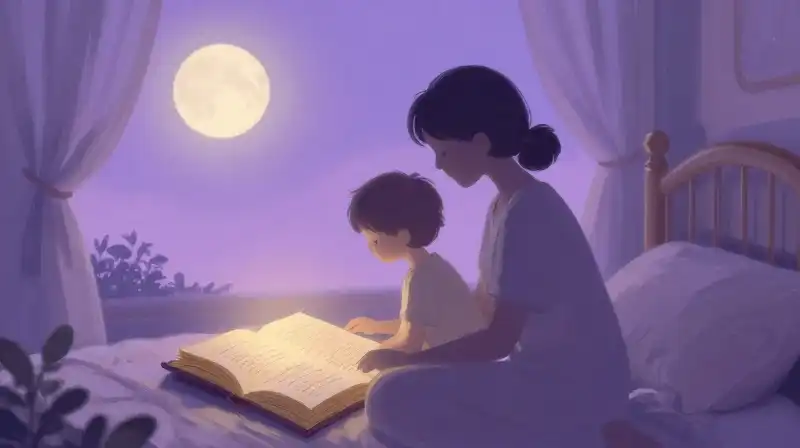
The act of listening to a story, particularly one that captures a child’s attention with its emotional depth, can be a powerful distraction from bedtime resistance. When a child is engrossed in a narrative, their focus shifts away from the desire to delay sleep or engage in power struggles. The storytelling itself becomes a calming ritual, absorbing their energy and diverting their attention from the potential for tantrums.
Furthermore, the emotional engagement inherent in tear stories can foster a sense of connection and intimacy between the parent and child. The shared experience of listening to and discussing the story creates a moment of bonding, reinforcing feelings of security and comfort. This shared moment can be a powerful antidote to the anxiety that often fuels nighttime tantrums.
The anticipation of what happens next in the narrative provides a natural incentive for the child to remain still and quiet. This indirect encouragement of stillness is incredibly valuable as it assists with the development of a calm and restful mindset, prepping them for sleep. The need to listen attentively to find out the outcome creates a quiet, shared experience.
## Preparing for Sleep with Emotional Release
Tear stories can facilitate emotional release before sleep, preventing pent-up feelings from manifesting as nighttime tantrums. Crying, even vicariously through a character, can be cathartic, allowing for the processing of accumulated anxieties or frustrations from the day. This controlled emotional outlet can create a sense of lightness and calm, making it easier for the child to drift off to sleep.
By witnessing a character’s sadness and subsequent recovery, children learn that sadness is not a permanent state. They grasp the concept of emotional ebb and flow, which can alleviate the feeling that any negative emotion is overwhelming or catastrophic. Knowing that even a character experiencing profound sadness eventually finds peace contributes to a sense of security and tranquility.
Moreover, the gentle rhythm of storytelling, combined with the emotional content of the story, promotes relaxation. The repetitive nature of language, the soothing tone of the parent’s voice, and the focus on internal feelings collectively contribute to a state of calm, priming the child’s mind and body for sleep and reducing the likelihood of disruptive behavior.
## Conclusion
Incorporating “Tears of Cuentos” into bedtime routines offers a gentle, yet powerful, approach to reducing nighttime tantrums. By validating emotions, modeling healthy coping mechanisms, and creating moments of connection, these stories can transform bedtime from a battleground into a peaceful transition to sleep. The key lies in selecting stories that resonate with the child’s age and emotional development, and engaging in open discussions about the characters’ feelings.
Ultimately, the power of tear stories lies in their ability to teach children that it’s okay to feel sad and that they are not alone in their emotional experiences. This understanding, combined with the calming ritual of storytelling, can create a foundation of emotional resilience that extends far beyond bedtime, fostering a more peaceful and secure relationship between parent and child.
Related Articles