
Why is the Wicked Stepmother in Snow White so cruel

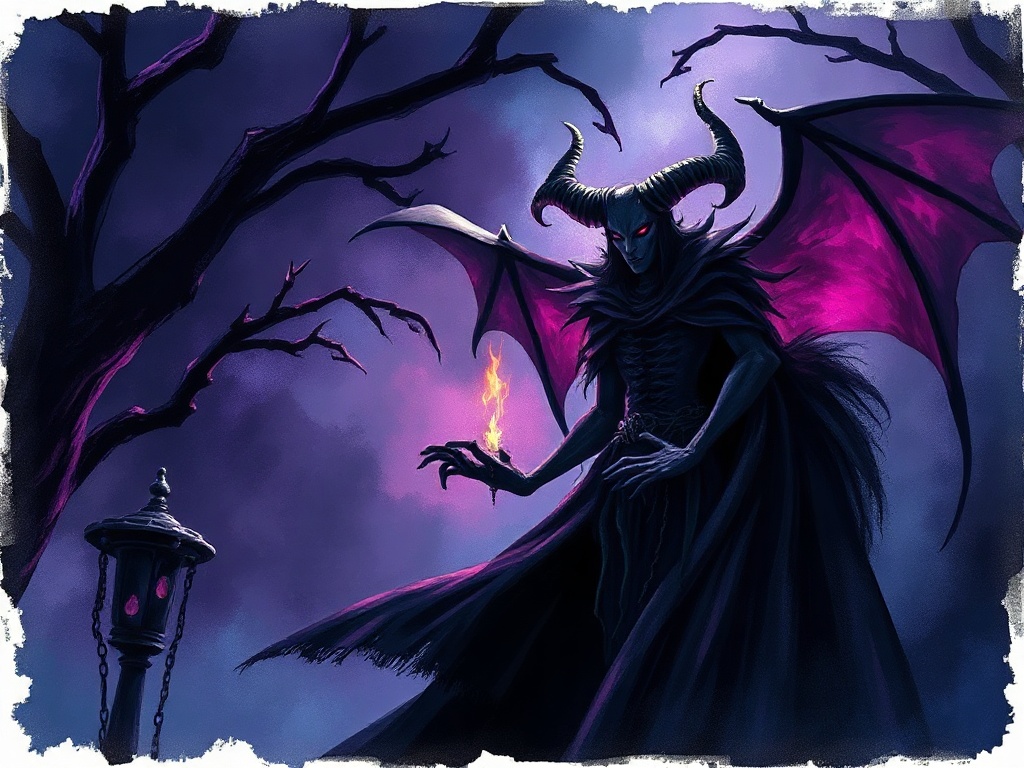
The tale of Snow White, a cornerstone of global folklore and a staple of children’s stories, is undeniably captivating. At its heart lies a simple narrative: a beautiful young woman persecuted by her jealous stepmother, finding refuge and eventual happiness with the help of seven dwarfs and a charming prince. While the story celebrates kindness, bravery, and love, it’s the villain, the Wicked Stepmother, who often sparks the most profound and enduring questions. Why is she so relentlessly cruel? Is she simply a stock character embodying generic evil, or does her malice stem from deeper, more complex motivations?
The enduring popularity of Snow White, and indeed, of all Cuentos (Spanish folk tales), relies on a tension between good and evil, a clear delineation that offers a satisfying resolution. However, a simplistic view of the Stepmother as purely ‘evil’ feels inadequate upon closer examination. Examining the broader context of Cuentos and historical societal roles reveals that her actions, while horrific, are not entirely without potential, albeit twisted, justifications and offer a lens into societal anxieties and expectations surrounding female power and beauty. Understanding her cruelty requires a deeper exploration of societal pressures and symbolic representations embedded within the narrative.
## The Mirror and Narcissistic Vanity
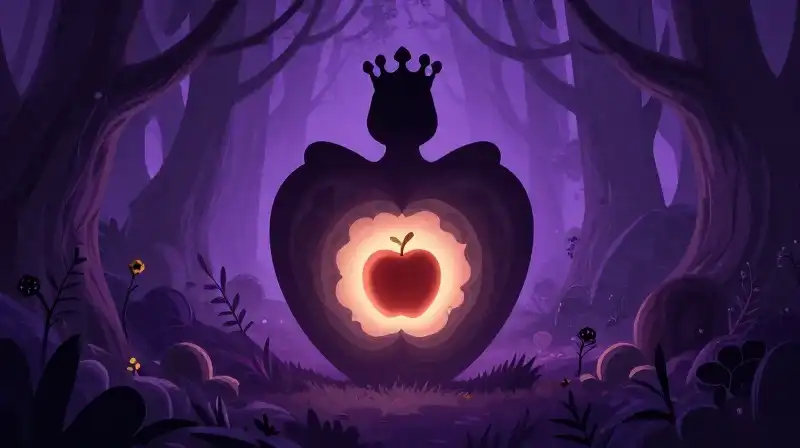
The core of the Stepmother’s animosity towards Snow White arises from the mirror. Her repeated questioning of the magic mirror – “Mirror, mirror, on the wall, who is the fairest of all?” – reveals an obsessive preoccupation with beauty and a deep-seated narcissistic vanity. This isn’t simply about being pretty; it’s about maintaining a position of power and status, which in her world, is inextricably linked to being considered the most beautiful. The mirror’s pronouncements challenge her sense of self and her authority.
This excessive vanity is a common trope in Cuentos, often representing a broader societal concern about superficiality and the dangers of prioritizing outward appearance over inner worth. The mirror functions as an external validation device, highlighting the Stepmother’s insecurity and driving her to increasingly desperate measures to preserve her perceived superiority. She isn’t necessarily seeking admiration, but desperately trying to avoid being dethroned from her position of social dominance.
The reliance on the mirror also demonstrates a lack of genuine self-esteem. True confidence wouldn’t require constant external validation. The Stepmother’s dependence on the mirror is a sign of weakness, ironically fueling her aggressive actions. It’s a cyclical pattern: insecurity leads to vanity, vanity leads to jealousy, and jealousy leads to cruelty, creating a tragic and self-destructive cycle.
## The Power Dynamics of the Queen and the Kingdom
Beyond vanity, the Stepmother’s actions are inextricably linked to her role as Queen and the inherent power dynamics within the kingdom. She isn’t simply a jealous woman; she’s a ruler, and her position is predicated on maintaining control and projecting an image of strength and authority. Snow White, as a young woman of exceptional beauty, represents a potential threat to this power structure.
In many Cuentos, female rulers are portrayed as complex figures, often juggling ambition, responsibility, and societal expectations. The Stepmother’s cruelty can be viewed as a distorted attempt to safeguard her reign and preserve her authority. She views Snow White’s growing beauty as a direct challenge to her own legitimacy and therefore, an existential threat requiring elimination. It’s a ruthless, albeit understandable in the context of a power-hungry monarch, strategy.
The emphasis on the Queen’s position underscores the rigid social hierarchies present in the original narrative and reflects the historical power imbalances that often existed. Snow White, through her inherent goodness and beauty, disrupts the established order. The Stepmother’s actions, therefore, can be interpreted as a desperate attempt to maintain the status quo and suppress any potential challenger to her rule.
## Female Jealousy and Societal Expectations
The Cuentos frequently explore themes of female rivalry and jealousy, often fueled by societal expectations surrounding marriage, motherhood, and female roles. The Stepmother’s jealousy isn’t solely about Snow White’s beauty; it’s intertwined with anxieties about aging, losing her attractiveness, and failing to uphold the ideal of the perfect queen. The narrative subtly suggests that her own unhappiness stems from an inability to fulfill the demanding expectations placed upon women.
Historically, women in positions of power faced significant scrutiny and were often judged more harshly than their male counterparts. The Stepmother’s actions reflect this pressure, as she feels compelled to maintain a flawless image of beauty and control. The societal pressure to be perpetually youthful and desirable is amplified by her position as Queen, making her insecurity all the more acute. Her actions are therefore, in a warped way, a response to societal demand.
This portrayal, though problematic, highlights the complex and often contradictory expectations placed upon women in many historical and cultural contexts. The Stepmother is not simply evil; she’s a product of a society that prioritizes female beauty and dictates rigid roles for women, creating a breeding ground for resentment and competition.
## Abandonment and Unresolved Grief
While less explicitly stated, a subtext of unresolved grief and abandonment might partially explain the Stepmother’s cruelty. The story suggests that she married the King after his first wife, Snow White’s mother, died. This loss could have left her with deep-seated emotional wounds and a sense of insecurity, manifesting as a need to control and dominate.
The lack of discussion surrounding the previous Queen’s death creates a void in the narrative, potentially indicating a suppression of grief. This suppression, combined with the pressure of assuming the role of Queen and stepmother, could have exacerbated her existing vulnerabilities. The Stepmother’s anger and jealousy could be seen as a displaced expression of her own emotional pain, targeting Snow White as a symbol of what she has lost. The unspoken trauma influences her behavior.
Ultimately, the Stepmother’s actions are not solely born from malice, but may also be rooted in a profound and unresolved sadness. It’s a tragic portrayal of a woman struggling with her own internal demons, her actions ultimately poisoning her relationships and leading to her downfall. The lack of emotional resolution within her defines her legacy.
## Conclusion
The Wicked Stepmother in Snow White is far more than a simple villain; she is a complex character driven by a tangled web of vanity, power struggles, societal pressures, and potentially, unresolved grief. Analyzing her motivations through the lens of Cuentos and historical context reveals that her cruelty, while reprehensible, stems from a multitude of contributing factors rather than simply being an inherent character flaw. Her presence serves as a cautionary tale about the dangers of obsession and the destructive power of unchecked ambition.
Understanding the Stepmother’s motivations doesn’t excuse her actions, but it does offer a richer and more nuanced interpretation of the Snow White story. It prompts us to consider the societal forces that shape individual behavior and to recognize the vulnerability and complexity that can lie beneath even the most seemingly monstrous facade. By delving deeper into the motivations behind her wickedness, we gain a greater appreciation for the enduring power and psychological depth of Cuentos.
Related Articles