Baba Yaga and Koschei: Unveiling the Magic of Slavic Folklore

Introduction
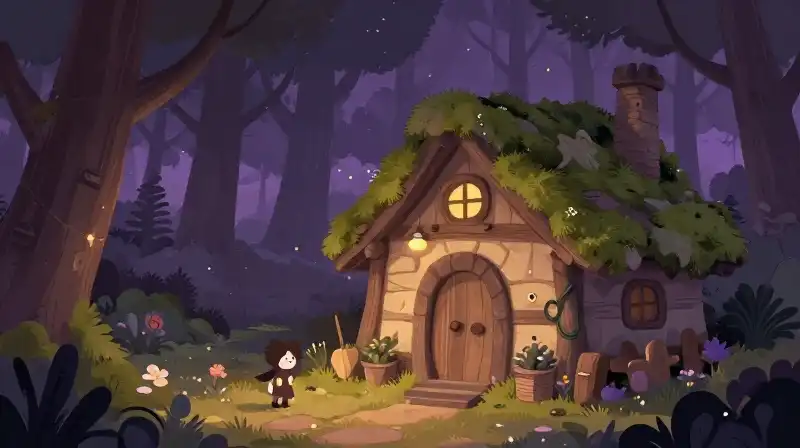
The woods of Eastern Europe are rarely gentle places. They are not merely groves of towering trees; they are the dense, unpredictable thickets of ancient myth, draped in the shadow of old gods and whispered with the secrets of powerful magic. For those who have been drawn to the rich tapestry of Slavic folklore, the journey often leads to the moss-covered paths where Baba Yaga’s hut stands on chicken legs, or to the icy dread of Koschei the Deathless’ domain. These characters, far from simple villains, are powerful embodiments of the wild, untamed forces of nature and the brutal challenges of the human spirit. They teach us that in a world defined by powerful legends, courage isn’t just about surviving the night—it’s about understanding the magic that resides in the shadows and confronting the fears that wait in the dark.
The Archetype of the Wild: Who is Baba Yaga?
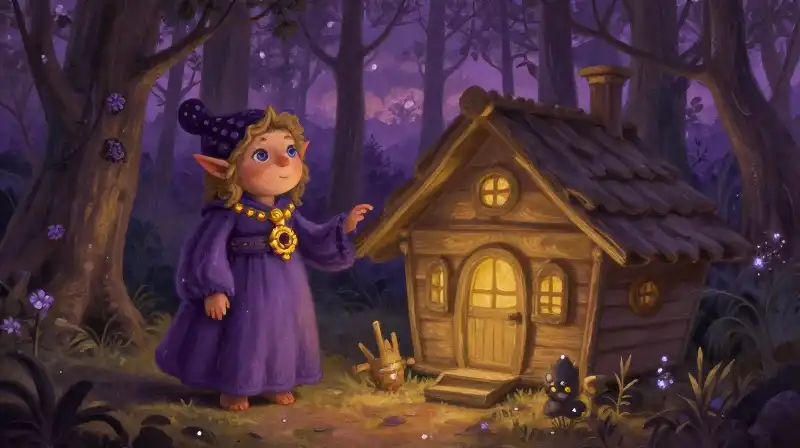
Baba Yaga is perhaps the most iconic figure in Slavic storytelling, a witch of formidable stature and often frightening appearance. She is the wild embodiment of the earth itself, living in a hut that moves across the landscape—a mobile testament to the unpredictable and powerful forces of nature. She is not simply a villain; her role is often one of complex necessity. She represents the threshold, the boundary between the known world and the magical, perilous realm of the forest [1].
In many tales, a hero must encounter Baba Yaga to begin their quest. This encounter is rarely a simple fight; it is a trial. She might demand a specific service, a sacrifice, or a test of wisdom, such as the famous motif in tales like *Vasilisa with the Golden Tress* [1]. While her aesthetic—often depicted with a frightening disposition—serves to underscore the dangerous nature of the wilderness, her function within the narratives is often that of a catalyst for growth. She forces the protagonist to move beyond their comfort zone, proving that in the world of Slavic legends, to gain power, one must first confront the shadows.
Baba Yaga as Symbolic Guardian
Beyond her theatrical appearance, Baba Yaga symbolizes the wild, ancient wisdom that predates modern civilization. She is a figure who understands the old ways, the rhythms of the earth, and the secrets of the forest. Her existence reflects the traditional Slavic worldview where the landscape is not a backdrop for stories, but an active, living entity, steeped in dark myth and sorcery [1]. By interacting with her, the hero learns that true wisdom is often hidden where we least expect it—in the deepest parts of the untamed world.
Koschei the Deathless: The Power of Eternal Opposition
If Baba Yaga embodies the chaotic wild, Koschei the Deathless embodies the focused, persistent threat of absolute evil and stagnation. Koschei is a powerful antagonist, often a formidable sorcerer or monstrous entity whose primary goal is to defy natural order, most notably by achieving immortality. This is a theme central to many heroic Slavic tales, including those that inspired narratives like *The Tale of Tsar Saltan* [1].
His power lies in his immortality, which in many versions is protected by a series of increasingly difficult riddles or a magical object hidden within a magically sealed location. The quest for Koschei transforms the simple fairy tale into an epic journey of resilience and persistence. He represents the insurmountable challenge, the ultimate antagonist that the hero must master not through brute force, but through a combination of wit, courage, and moral purity. His presence forces the protagonist to understand the true cost of power and the fragility of life and order.
The Motif of Immortality in Slavic Myths
Koschei’s immortality is more than a plot device; it is a commentary on the struggle between the fleeting grace of life and the crushing permanence of evil. He represents that which resists the natural cycle of life and death—a powerful, recurring motif in folklore that speaks to humanity’s own anxieties about change and mortality [1]. The hero’s victory over him signifies not just a personal triumph, but the triumph of life and natural cycles over relentless, calculated malice.
The Roots of the Magic: Slavic Folklore Context
To fully appreciate Baba Yaga and Koschei, we must look at the vibrant culture from which they sprung. Slavic folklore, originating from the need to assign meaning to life’s hardships and to decipher a brutal world, is incredibly rich [1]. Traditional Slavic mythology is saturated with dark imagery, wild legends, and elements of deep sorcery [1].
The collection and popularization of these tales are largely credited to figures like Alexander Afanasyev, who recorded these folk tales in a manner similar to the German brothers Grimm [2]. Other writers, like Alexander Chodzko, contributed volumes such as *Fairy Tales of the Slav Peasants and Herdsmen*, documenting stories of Slavic origin, while Vladimir Propp’s theoretical work helped analyze the function of stock characters like Baba Yaga and Koschei within these narratives [1, 2].
| Figure/Element | Core Theme | Representative Tale/Concept |
|---|---|---|
| Baba Yaga | The untamed wild; necessity of trial | The trials in Vasilisa with the Golden Tress [1] |
| Koschei | The struggle against death and order | Tales of the magical egg or sealed location [1] |
| The Landscape | The presence of ancient, potent magic | The foreboding forest and the use of rivers as symbols [1] |
It is important to note that Slavic mythology underwent evolution; the process of Christianization led to the gradual replacement of ancient gods and goddesses with religious icons, though the Slavs often incorporated Christianity as an additional layer to their pre-existing beliefs [1]. This mixture creates a world where the spirits are often less purely ‘good’ or ‘evil’ and more deeply integrated into the spiritual landscape, where gods and devils interact [1].
Beyond the Witch and the Beast: Other Creatures and Themes
While Baba Yaga and Koschei are titans of the narrative, the world of Slavic fairy tales is populated by a vast array of enchanting and fearsome beings. These creatures help us understand the breadth of Slavic folklore:
- Morozko (Father Frost): A figure who governs winter, representing the relentless passage of time, the cold, and the necessary dormancy of the natural cycle [1]. He is a powerful, imposing figure, often benevolent when respected, embodying the grandeur of winter.
- The Kikimora: A household spirit often associated with mischief and bad luck. She serves as a fascinating example of spirits tied to domestic life and the risks inherent in ignoring ancient traditions or the unseen forces surrounding the home [1, 2].
- Wood-fays and Wicked Spirits: Various types of wicked spirits or woodland spirits inhabit the deep forests. These entities reinforce the idea that the wild landscape is alive, unpredictable, and sometimes hostile, requiring respect and careful navigation [1, 2].
Are There Fairies in Slavic Mythology? (Addressing a Key Question)
Yes, absolutely. While “fairies” as depicted in Western folklore have distinct traits, the Slavic tradition includes a wide variety of magical beings. While the focus here has been on the ‘dark’ figures, the world also holds the lighter, more ethereal entities that inhabit the enchanted parts of the world. These beings, such as various nymphs or sprites, are connected to natural cycles and hidden magic, representing the beauty and mystery of the earth [2]. The spirit of the stories is one of a world *full* of magic, whether it manifests as a menacing threat or a glimmer of hidden beauty.
From Folktales to Film: Visual Inspiration for Storytellers
For those looking for visual inspiration for children’s stories, the art style of the legendary artist Ivan Bilibin is frequently recommended as a magnificent entry point into the traditional Russian fairy tales [2]. His rich, detailed, and often darkly elegant illustrations capture the dramatic energy of characters like Baba Yaga and the stark, powerful atmosphere of the wild legends. This style helps children visualize the intensity and majesty of these stories, bridging the gap between abstract myth and tangible imagery.
Modern adaptations continue this tradition, bringing a new life to classic motifs. For example, Catherynne M. Valente’s *Deathless* offers a darker, more sophisticated twist on classic Russian folklore, exploring the same themes of ancient magic and the struggle against the eternal, but with a contemporary, high-fantasy edge [2].
Navigating the Shadow: Age and Emotional Guidance for Parents
Because characters like Koschei and Baba Yaga embody such powerful forces—mortality, danger, and the unforgiving nature of the wilderness—they require thoughtful navigation at bedtime or in the classroom. These stories do contain dark elements, but their emotional core often centers on themes of bravery, the value of resourcefulness, and the triumph of light over relentless darkness.
Bedtime Guidance: Tales involving these characters are best enjoyed when framed as explorations of courage rather than simple acts of terror. For younger children, focusing on the hero’s cleverness or the moment the magic is cast—rather than the confrontation with the monster—can be soothing. For older children, the tales provide a rich, complex framework to discuss morality, risk, and the acceptance of the world’s necessary darkness. These stories provide a profound sense of spiritual and moral underpinning to the narratives [1].
Synthesis: Why These Legends Matter
Baba Yaga and Koschei are not just characters in a collection of ‘best Slavic fairy tales’; they are archetypal pillars that hold up the structure of human storytelling. They provide a crucial lesson: that the world is a complex ecosystem of light and shadow, challenge and reward. By facing the trials laid out by the witch, or confronting the eternal threat of the sorcerer, the protagonist does not merely win a prize—they evolve. These stories teach children that magic is not a thing you simply possess; it is something you earn through a journey of understanding, bravery, and a deep respect for the powerful, beautiful, and sometimes terrifying wild places of the human spirit.
Sources
- Slavic Folklore & Fairy Tales: 282 Free Stories | Fairytalez — fairytalez.com
- Books of Russian/Slavic Myths/Folklore/Fairytales : r/booksuggestions — reddit.com
Frequently Asked Questions
What other Slavic fairy tales are there?
The article mentions specific tales such as Vasilisa with the Golden Tress and narratives inspired by The Tale of Tsar Saltan. Beyond these, the folklore is populated by figures like Morozko (Father Frost), the Kikimora, and various wood-fays.
Are there fairies in Slavic mythology?
Yes, the Slavic tradition includes a wide variety of magical beings, even if they have distinct traits compared to Western depictions. These ethereal entities, such as various nymphs or sprites, are connected to natural cycles and hidden magic within the enchanted parts of the world.
Related Articles