
Polish Fairy Tales: Unveiling the Magic of Wawel and the Frog Princess

Introduction
Polish folklore offers a rich, complex landscape far beyond the standard gilded castles of Western fairytales. These narratives are steeped in the spirit of resourcefulness—a belief that even the humble, overlooked protagonist can triumph over monstrous odds using wit rather than brute force. From the formidable stone heights of Wawel Castle to the small, unassuming ponds where a princess lives beneath a frog’s skin, Polish tales invite a unique kind of imaginative journey. They are stories where the extraordinary often hides in plain sight, and the deepest magic lies not in inherited royalty, but in clever adaptation and the strength of a hidden identity. For parents and educators looking for stories that truly resonate, these tales provide a powerful lesson in ingenuity, transformation, and the power of the unconventional.
The Power of Polish Ingenuity: Outsmarting the Giants
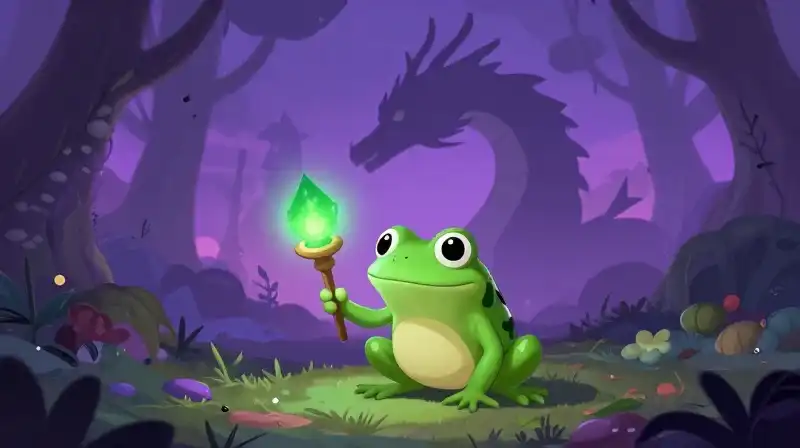
At the heart of many Polish legends is the theme of ingenious problem-solving. Unlike some global fairy tale traditions where the hero fights a monster head-on, Polish protagonists often use clever tactics to outsmart, deceive, or bypass legendary creatures like dragons or devilled entities [1]. This focus elevates the common folk, celebrating mental dexterity and cunning. The young, less wealthy character who manages to gain favor or win a kingdom through a seemingly unconventional choice is a consistent motif, such as the young prince who uses a frog to achieve his father’s trust and ultimately become King [2].
This tradition suggests that true power doesn’t have to come from wealth or birthright; it comes from perspective. By focusing on how these protagonists manipulate their circumstances—whether through disguise or specialized knowledge—Polish folklore offers a sophisticated reading of power, encouraging children to look beyond surface appearances and established hierarchies [2].
Character Deep Dive: The Mystery of the Frog Princess
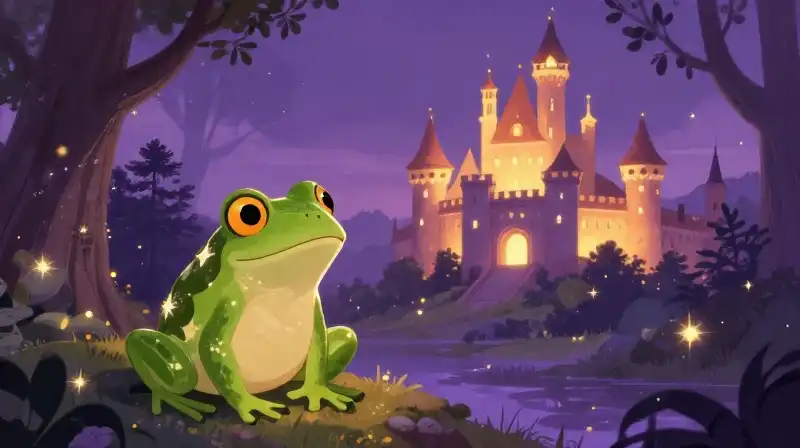
Few characters encapsulate the themes of concealment and transformative power as dramatically as the Frog Princess. She is a powerful symbol of hidden potential, a figure whose identity is forced underground by adversaries who demand she live in frog-skin [2]. Her story is a potent study in metamorphosis, both literal and symbolic.
The Significance of Disguise and Concealment
The Frog Princess’s disguise serves as more than just a plot point; it is a profound commentary on societal expectations and forced vulnerability. Her concealment from enemies allows her to survive and maintain her inner strength until the right moment for revelation [2]. The moment her skin falls away, it is described as a “miracle of beauty,” marking a highly sensory and magical climax to the story [2].
The Magic of Non-Traditional Assistance
The transformation scene is vividly illustrated by the arrival of seven lovely maidens who intervene through “breezes” and “wind” to magically construct complex, perfect artifacts—like carpets and cakes—for the protagonist [2]. This specific magic is notable because it relies heavily on nature and subtle forces (wind, natural elements) rather than just powerful spells, linking the transformation to the natural world around the princess.
A Global Mirror: Comparing Roots
While the Frog Princess follows a recognizable archetype of powerful, enigmatic transformation, her narrative structure also exhibits “obvious likenesses” to folklore from Germany, the Celtic nations, and even Indian fairy tales [2]. This suggests that the themes of hidden identity and magical metamorphosis are universal, even as Polish storytelling gives them its own distinct flavor and cultural grounding [2].
Landmarks and Legends: Where the Tales Are Set
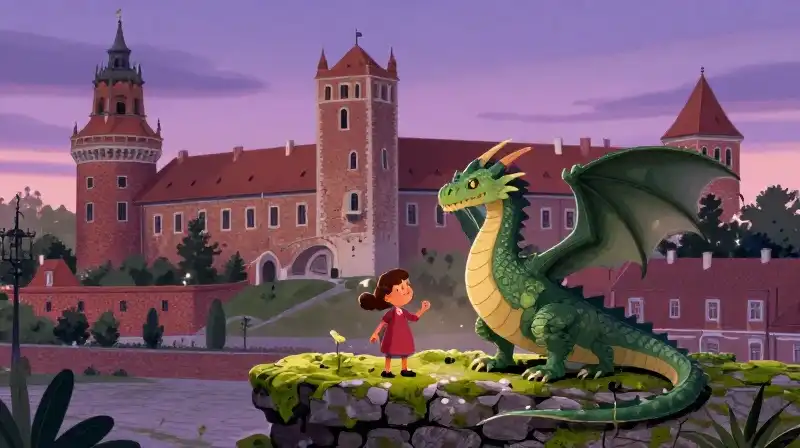
Polish folklore is not solely about isolated enchanted woods; it is deeply rooted in specific, magnificent, and often historic locations, making the stories feel incredibly real. These settings serve as anchors for legends that blend myth with historical grandeur.
| Iconic Creature/Setting | Tale Focus | Thematic Element | Notable Descriptor |
|---|---|---|---|
| Wawel Dragon (Krakow) | Folk Legends | Conquest/Resourcefulness | A classic battle between good and evil, often requiring cunning to defeat the beast [1]. |
| The Warsaw Mermaid | Urban Legends/Myth | Hidden Beauty/Natural Power | Represents the wild, often enigmatic, side of Polish nature [1]. |
| The Mouse Tower (History) | Heroic/Historical Legends | Underdog Triumph | Exemplifies how humble beginnings lead to monumental success [1]. |
| Mr. Twardowski | Enigmatic Figures | Powerful Magic/Mysticism | A figure representing the mysterious and potent magical forces in the land [1]. |
The Spectrum of Polish Folklore: From Bedtime to Epic Journey
One of the most intriguing aspects of Polish tales is the wide spectrum of their scope. While many classic, formalized fairy tales focus on local heroism, legends also venture into expansive journeys, providing different narrative pacing suitable for different age groups.
The Local Heroes (Ideal for Younger Children)
Stories focusing on King Popiel, Halina saving Sandomierz from the Tatars, or the Wawel Dragon are concrete, local tales that provide a clear sense of community and historic setting [1]. These are excellent for younger readers who thrive on clear stakes and identifiable heroes. They ground the magic in recognizable Polish geography and history.
The Grand Journeys (Ideal for Older Readers)
For a different kind of thematic depth, consider how some narratives break the traditional mold. The comic book *Przygody Koziolka Matolka* serves as a powerful counterexample to the typical local setting [1]. This story features a goat who embarks on a grand journey across the world, driven by the quest to find specific smith-craft. This provides a rare instance of explicit global travel in Polish folk narratives, adding a layer of expansive adventure to the collection [1].
Answering Your Questions: Best Polish Tales and Slavic Comparisons
Readers often wonder about the most famous or representative tales. While specific “most famous” versions are difficult to crown, the themes of ingenuity and magical transformation define the tradition.
Which Polish Tale is Most Defining?
The tales that best showcase the core spirit of Polish folklore—the triumph of the clever over the established power—are those featuring disguised heroes or clever trickery. The motif of the Frog Princess perfectly captures this dynamic: an external constraint forcing internal strength [2].
What Other Slavic Fairy Tales Should I Explore?
Beyond the Polish collection, the broader Slavic tradition shares a common love for powerful female figures and complex magical transformations. Tales from surrounding cultures often overlap in themes, with Polish stories showing clear kinship with those found in German or Celtic folklore [2]. Exploring these neighboring regions can offer a richer understanding of the pan-European folklore from which these specific Polish variations emerged.
A Guide to Using Polish Stories in the Classroom and at Bedtime
Selecting a Polish story depends entirely on the learning or comfort goals you have for your child. By understanding the core thematic elements, you can match the tale to the intended impact.
| Age Group & Goal | Recommended Theme/Tale Type | Why It Works | Bedtime Recommendation? |
|---|---|---|---|
| Ages 3-6: Early Moral Lessons | Local Hero Legends (e.g., Wawel Dragon) | Clear external conflict and satisfying resolution through action or cunning [1]. Simple moral clarity. | Good for engagement, but the “battle” may be too intense. |
| Ages 7-10: Character Depth/Problem Solving | The Frog Princess/Ingenuity Tales | Explores the power of non-traditional methods and hidden identity. Teaches empathy for hidden struggles [2]. | Excellent. The themes of self-discovery are soothing and powerful. |
| Ages 10+: Global Perspective | Epic Journey Tales (e.g., Koziolka Matolka) | Encourages curiosity, global perspective, and the value of dedicated pursuit of knowledge/skill [1]. | Best for narrative interest, less so for passive soothing. |
Conclusion: Why These Tales Matter
Polish fairy tales are more than just collections of charming plots; they are blueprints for recognizing the value of resourcefulness. They teach children that the most formidable obstacles can be overcome not just by royal decree, but by careful observation, magical assistance from natural elements (like the breezes aiding the Frog Princess), and a refusal to settle for surface-level answers. These stories allow young readers to see the world not as a fixed hierarchy of kings and dragons, but as a dynamic space where ingenuity and hidden beauty can always find a way to emerge, making them a powerful resource for fostering critical thinking and emotional resilience in our families.
Sources
- Polish Fairy Tales - or Folk Tales recommendations - especially ones that have to do with travel to foreign lands, ingenuity and creativity? : r/poland — reddit.com
- The Project Gutenberg eBook of Polish Fairy Tales, by Maude Ashurst Biggs. — gutenberg.org
Frequently Asked Questions
What is the most famous Polish folk tale?
The article notes that while crowning a specific 'most famous' version is difficult, the core tradition is defined by themes of ingenuity and magical transformation. The motif of the Frog Princess is highlighted for perfectly capturing this dynamic by showing an external constraint forcing internal strength.
What other Slavic fairy tales are there?
Beyond the Polish collection, the broader Slavic tradition shares a common love for powerful female figures and complex magical transformations. The article advises exploring neighboring regions, as Polish stories show clear kinship with tales found in German or Celtic folklore.
Related Articles