
The True Meaning of Briar Rose: Symbolism in the Grimm Fairy Tales

Introduction
Imagine a world where time doesn’t simply pass—it pauses. Where a single moment of sorrow, a misplaced thread, can lock an entire kingdom into a state of suspended animation for a hundred years. This is the magical heart of the Briar Rose tale. While the story of the princess sleeping for a century is a staple in storybooks, the deeper meaning behind the Grimm version, *Little Briar-Rose*, is much richer than just a fairy tale about a lovely sleeper. It is a profound meditation on protection, the inevitability of change, and the powerful, quiet beauty of patience. For parents and educators seeking stories that offer more than a simple plot, understanding the symbolism in this tale offers real material for sparking conversation about nature, defense, and the transition from dormancy to awakening.
The Central Image: The Hedge and the Rose
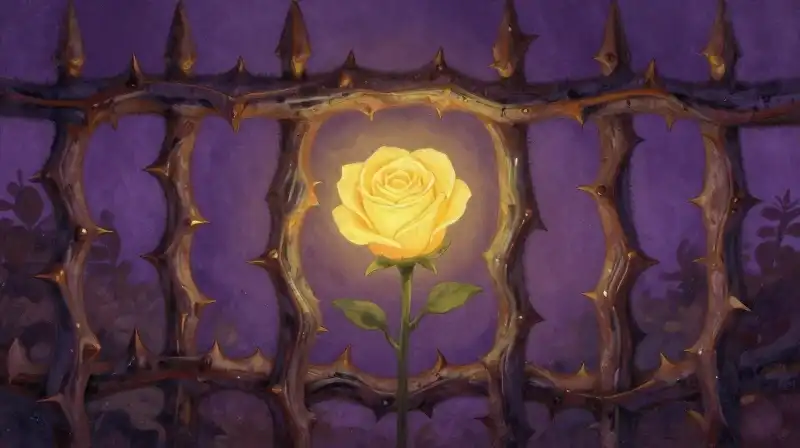
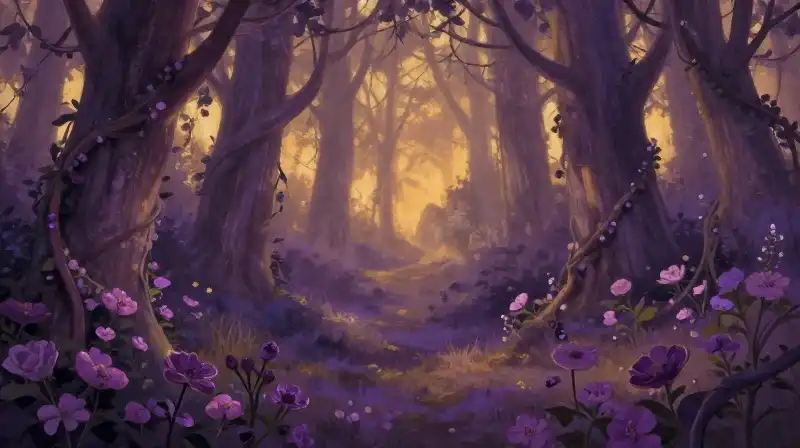
In the most beloved form of the tale, the focus isn’t just on the princess’s sleep, but on the barrier that protects her: a living wall of thorns. This thorny hedge, which “held firmly together” [2, 3], represents the ultimate form of protected beauty. It is a powerful boundary, a magical defense against the chaotic pressures of the outside world. The narrative utilizes this “hidden world” motif, enveloping the castle in a vibrant, ever-growing thicket until a single, destined moment occurs [1, 3].
The Iron Paradox: Protection vs. Passage
The thorn hedge presents a fascinating narrative paradox. While it fiercely defends the princess, thwarting the many “princes” who attempt to force entry, these attempts are fatal, reinforcing the necessity of her magical isolation [2, 3]. The hedge is not merely a fence; it is a test of worthiness. The curse has created an impenetrable sanctuary. The beauty of the story lies in how this brutal defense eventually gives way, not through force, but through a profound, natural transformation. At the hundred-year mark, the cursed barrier miraculously shifts. The dangerous “hedge of thorns” dissolves into a path of “large, beautiful flowers” that allows the rightful prince to pass [2, 3]. This visual shift is the heart of the story: the fierce protection gives way to gentle, inevitable welcoming.
The Symbolism of Suspended Time and Stasis
The depth of the sleep in *Little Briar-Rose* extends far beyond mere slumber. The entire environment is suspended in a state of magical stasis, a world momentarily held apart from the linear march of life. This magical pause is rendered with vivid imagery, grounding the fantastical elements in the concrete reality of the castle’s domestic life. During the curse, the “fire on the hearth flickered, stopped moving,” and the mundane act of cooking ceased, as the “roast stopped sizzling” [2, 3]. The stasis is so complete that life seems to have momentarily halted, allowing the princess to exist in a perfect, unchanging moment of protected repose. The “Little Brier-Rose” name itself captures this contrast—the hard, protective severity of the “brier” and the soft, delicate promise of the “rose” [2, 3].
The Delicate Catalyst: The Spindle and the Mundane Danger
The curse itself is rooted in a very simple, domestic act: spinning flax or “Spindle” work. This detail is crucial for thematic analysis, as it highlights the sudden, profound peril that can arise from simple, mundane chores [1, 2, 3]. The princess is not victim to a dramatic villain’s malice but to a sudden accident—a moment of “accident and carelessness.” This element allows for an interesting discussion with children about how even small moments, when combined with the forces of nature or magic, can dramatically alter a destiny. The spindle represents vulnerability found within the quiet, everyday tasks of life.
Comparing Storytelling Traditions: Grimm vs. Perrault
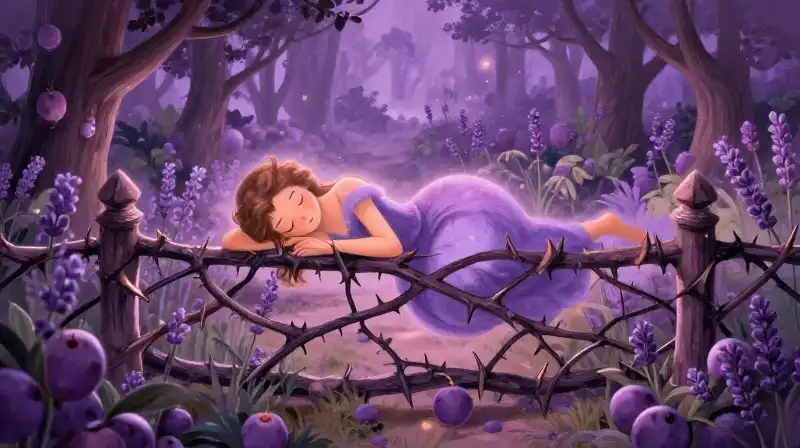
While many know Sleeping Beauty through the lens of the more widely recognized, less detailed versions, the Grimm retelling offers a uniquely textured and highly symbolic experience. When comparing the Grimm version, *Little Brier-Rose*, to its earlier or popularized cousins, several key differences emerge:
| Version | Primary Focus | The Barrier | Nature of the Sleep |
|---|---|---|---|
| Grimm (Little Briar-Rose) | The symbolism of defense and renewal. | A specific, transformative “hedge of thorns” [2, 3]. | Magical stasis affecting the entire environment [2, 3]. |
| Perrault (Sleeping Beauty) | Subtlety and the princess’s gentle qualities. | Often implied or removed in later retellings [1]. | Focus on the princess’s individual slumber [1]. |
| Basile (Sun, Moon, and Talia) | The cycle of life, death, and rebirth. | Not a primary focus; emphasis on the prince’s intervention. | Depicts the prince’s initial action as a form of physical constraint, leading to birth while she is unconscious [1]. |
The Grimm rendition, in particular, emphasizes the “legend” of those who were trapped by the thorns, giving the world a sense of history and profound isolation [2, 3].
Addressing Key Questions About Briar Rose
What is the story of Briar Rose? The core story is the cursed life of a princess who lives in isolation within a protective hedge of thorns. After a long sleep, she is awakened by a prince, and the magic of the story is completed when the entire kingdom, paused in stasis, returns to life simultaneously [2, 3].
Who is Briar Rose in Fable? Briar Rose is the central figure—the cursed princess. She is more than a passive beauty; she is a powerful symbol of resilience and latent potential. Her name beautifully juxtaposes the hardness of the brier with the softness of the rose, suggesting that strength and beauty are two sides of the same protective coin [2, 3].
The Grand Awakening: A Theme of Simultaneous Renewal
For educators, the moment of the awakening offers a powerful teaching moment about collective change and resilience. The curse is not merely broken for the princess; it is undone for the whole world. The castle breathes again as the “horses… stood up and shook themselves” and the “roast began to sizzle once again” [2, 3]. This simultaneous awakening symbolizes the return of life and momentum after a period of stillness. The story teaches that profound change—even when it feels like a great pause—leads to a powerful, collective renewal. It is a comforting image for bedtime: even when everything seems stopped, life is simply waiting for the moment to sizzle and move forward again.
A Synthesis for Bedtime and Classroom
The true brilliance of *Little Brier-Rose* is its layered approach to the theme of transition. It takes the common fantasy of a princess and grounds it in a detailed, naturalistic symbolism. It reminds us that protection (the brier) is not always antagonistic; sometimes, the strength of a boundary is what creates the conditions for a perfect, eventual flowering (the rose). This story provides a rich, vivid palette for conversations—from the concept of stasis and patience to the powerful duality of strength and gentleness. It is a tale that honors the deep, slow magic of nature, reminding us that the most profound moments of beauty often follow the longest periods of waiting.
Sources
- Sleeping Beauty — en.wikipedia.org
- Grimm 050: Little Brier-Rose — sites.pitt.edu
- Sleeping Beauty (Little Briar Rose) — grimmstories.com
Frequently Asked Questions
What is the story of Briar Rose?
The core story is the cursed life of a princess who lives in isolation within a protective hedge of thorns. After a long sleep, she is awakened by a prince, and the magic of the story is completed when the entire kingdom, paused in stasis, returns to life simultaneously.
Who is Briar Rose in Fable?
Briar Rose is the central figure of the tale—the cursed princess. She is a powerful symbol of resilience and latent potential, and her name beautifully juxtaposes the hardness of the brier with the softness of the rose.
Related Articles