
The Rumpelstiltskin Principle: Bargains, Names, and the Danger of Greed

Introduction
When a child encounters a tale of a seemingly impossible task, the immediate reaction is often fear—but Rumpelstiltskin offers something far more complex: a dizzying masterclass in the cost of desperation. This isn’t merely a story about turning straw into gold; it is a profound exploration of high-stakes bargains, the power hidden within a simple name, and the insidious creep of unchecked greed. The tale, first collected by the Brothers Grimm, transforms a simple domestic crisis into a cosmic negotiation. For parents and educators looking to understand the deeper machinery of children’s literature, Rumpelstiltskin provides a rich text to examine how necessity forces characters into choices that redefine their identity.
The Anatomy of a Dangerous Bargain

The narrative begins in a humble setting, establishing the vulnerability of the miller’s daughter and her family [1]. The crisis is external, imposed by the king, who demands the impossible: spinning mountains of straw into gleaming gold [1, 3]. This “Wager” narrative functions as the driving force, trapping the girl in an escalating cycle of debt and obligation [2].
What makes the story so potent is the ruthless ascent of the stakes. The girl is forced to trade not just objects, but her very self. The initial bargains—her necklace, her ring—are easily recoverable losses. However, the final trade, where she offers her firstborn child to secure her safety and status, shifts the story from a challenge of labor into a tragic test of moral worth [1, 2]. The king’s own growing greed, manifesting in his attempts to continually increase the demands placed upon the daughter, underscores the dangerous, corrupting nature of wealth and power within the story [1, 3].
The Essence of the Imp: A Capricious Helper
Rumpelstiltskin himself is the central figure in this moral conundrum. He is not a conventional villain of malice, but rather a force of chaotic necessity. He is portrayed as a capricious imp who demands payment for his extraordinary labor [3]. Some literary versions describe him as a “comical little man” [3], suggesting an initial veneer of whimsy over a terrifying, volatile nature.
His identity is steeped in mystery. The name itself, *Rumpelstilzchen*, remains a subject of scholarly speculation, possibly translating to “little rattle stilt” or an oxymoronic “crumpled stalk,” reflecting his diminutive, unstable stature [2]. While different cultural interpretations exist—such as the Swedish *Päronskaft* (Pear-stalk) or the Serbo-Croatian *Cvilidreta* (Whine-screamer) [2]—the core function of the figure remains consistent: a supernatural helper whose price is never simple coin.
The Rumpelstiltskin Principle: The Power of Knowing
At the heart of the tale lies the potent “Rumpelstiltskin principle,” an ancient belief that possessing the true name of a being grants power over that being [2]. The entire suspense of the climax revolves around the girl’s quest to discover this ultimate key [3]. This transforms the supernatural bargain from a simple economic exchange into an intense, suspenseful game of wits.
The discovery of the name—often captured in a humorous, sings-like sequence, “Rumpelstiltskin is my name,” as the little man reveals it while dancing [2]—serves as the ultimate narrative payoff. It grants agency back to the marginalized character, proving that knowledge can be a more formidable weapon than magic or gold.
Global Echoes: Comparison Across Folklore
The Rumpelstiltskin story is not an isolated piece of German folklore collected by the Brothers Grimm; it is part of a much wider, global mythological pattern. Scholars classify the tale under Aarne–Thompson–Uther type 500, “The Name of the Supernatural Helper,” which highlights its broad significance in comparative folklore [2]. The motif of the helper whose secret identity is the key to their fate appears in remarkably similar forms across cultures, including the UK’s Tom Tit Tot and the Arabic *Juʿaydān* [2].
This structural consistency across cultures allows us to see the story as a fundamental exploration of hidden power and the fragility of control. The archetype asks: what happens when we try to control what we don’t understand?
The Evolution of the Ending: Grimm vs. Later Versions
The ending of the bargain has seen significant shifts across different literary editions, reflecting changing tastes and moral emphasis. This variability provides us with a lens to view the evolution of the story’s emotional impact.
| Edition/Version | Narrative Treatment | Primary Emotional Impact |
|---|---|---|
| Grimm (1812) | The imp “simply ran away angrily” after being exposed [2]. | Ironic swift rejection; anticlimactic. |
| Grimm (1857) and Later Versions | The imp delivers a more violent, dramatic climax, tearing himself in two [2, 3]. | The weight of consequences; dark, tragic resolution. |
This shift, from a quick retreat to a dramatic, self-destructive act, highlights a move toward higher dramatic tension, elevating the tale from a simple curiosity to a powerful cautionary tragedy.
Reading the Deeper Meanings: Wealth Versus Life
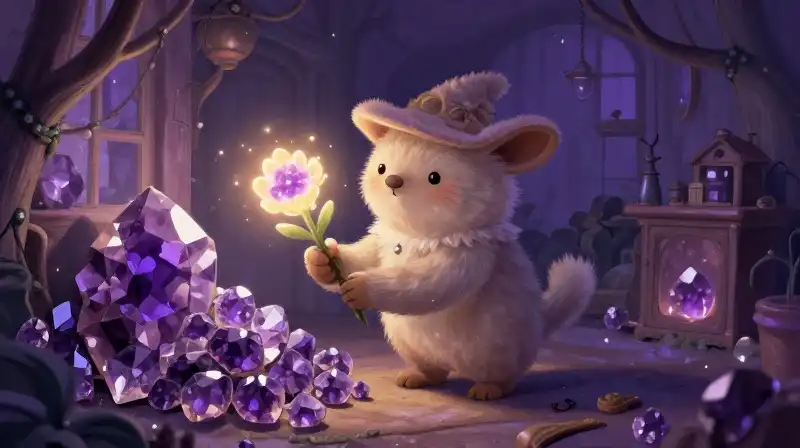
Beyond the mechanics of the bargain, the story offers a powerful philosophical contrast: the allure of wealth versus the fundamental value of life. The imp’s refusal to accept the queen’s offer of all the kingdom’s riches is a crucial piece of character insight. He dramatically states, “I would rather have something living than all the treasures of the world” [1, 3].
This choice defines him. He is not a mercenary creature; he is a being that values genuine existence over material accumulation. This is a deeply human and challenging sentiment for a fantastical creature, suggesting that even the most capricious forces are governed by their own version of intrinsic value. For a child navigating a world of plastic toys and endless “more,” this theme provides a subtle, potent moral anchor.
Addressing Common Questions
What is Rumpelstiltskin and what is the moral of the story?
Rumpelstiltskin is a supernatural being, often a capricious imp, who appears to help but demands impossibly high prices. The core moral of the story is that while desperation might lead to an opportunity, it must be handled with extreme caution. The tale teaches us not only that we must know the names of those who influence us (a concept of personal agency), but also that true value lies in living things and knowledge, not in gold or temporary power [3, 1].
Related searches for Rumpelstiltskin movie or Shrek usually stem from a desire to see these themes adapted—but the magic of the original tale lies in its subtlety, not its cinematic grandeur.
The Enduring Appeal of the Impossible Task
Rumpelstiltskin’s lasting significance lies in its capacity to be both frightening and fascinating. The tale captures the universal tension of being trapped: trapped by poverty, trapped by obligation, trapped by circumstances. For the modern reader, it acts as a cautionary tale about the slippery slope of compromise and the corrosive effect of desire. By analyzing the names, the contracts, and the shifting nature of the villain, we learn that even the smallest, most magical helpers can possess the greatest secrets, and that knowing those secrets is the ultimate act of courage.
Sources
- Rumpelstiltskin — grimmstories.com
- Rumpelstiltskin — en.wikipedia.org
- Grimm055: Rumpelstiltskin — sites.pitt.edu
Related Articles