Elves vs Fairies: What These Magical Beings Really Mean

Introduction
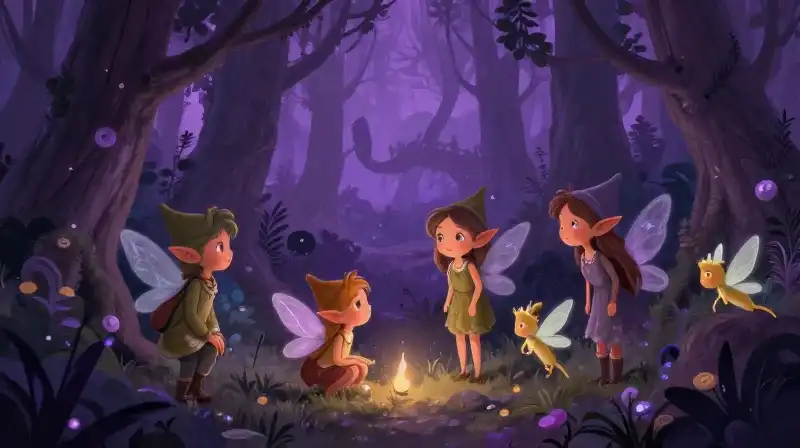
When we think of the whims of a woodland adventure, what comes to mind? Perhaps tiny, winged beings fluttering past a mossy clearing. Maybe it’s the noble, graceful inhabitants of an ancient forest, or a mischievous trickster guarding a fairy ring. For generations, we have used terms like “fairy,” “elf,” and “fae” as interchangeable shorthand for the magical inhabitants of nature. However, these labels hide fascinating differences—differences rooted in ancient myths, literary evolution, and the very purpose each creature serves in a story. While they all hint at a world of magic, understanding the subtle shifts between the folkloric elf, the ethereal fairy, and the often morally complex fae can enrich our reading of children’s tales and deepen our own appreciation for the power of magic.
The Roots of the Elf: From Invisible Neighbors to Forest Royalty
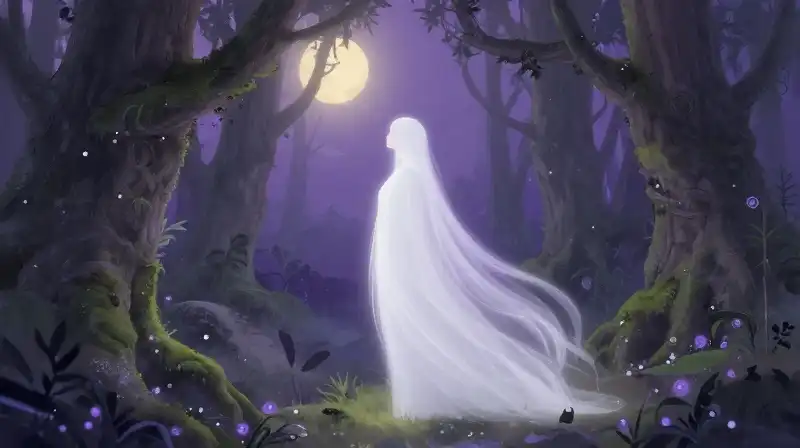 To truly understand modern fantastical elves, we must travel back beyond the pointy ears of High Fantasy. In Anglo-Saxon and medieval folklore, the concept of the elf was far more weighty and substantial than the tiny, child-friendly creature we often encounter today.
The Ancient “White Being”
The very etymology of the word “elf” tells a story of light and grace. The word originates from ancient Germanic roots meaning “white being,” which originally linked them to concepts of light, purity, and feminine beauty [2]. Historically, these beings were described not merely as woodland sprites, but as majestic, sometimes even human-sized, entities who resided alongside human communities, capable of profound influence [2].
Fear, Power, and the Medieval Elf
Crucially, the historical elf was not a harmless creature. Medieval accounts in Anglo-Saxon and medical texts reveal them to be entities of immense power—capable of both profound assistance and subtle harm. They were sometimes so potent that they became associated with medical anxieties, being feared for causing sharp internal pains or mental disturbances [2]. This fear was so great that the legend evolved into “elf-shot,” where Neolithic arrowheads were superstitiously believed to be the magical weapons of these invisible, formidable beings [2].
From Trickster to Transcendence: The Modern Elf
The charming, wise, and deeply noble elves we cherish today owe much of their popular form to J.R.R. Tolkien. Tolkien’s high fantasy took the historical concept and intentionally refined it, stripping away the earlier folklore of cruelty and trickery to forge a more heroic, enduring being, one profoundly connected to nature [1, 2]. The modern fantasy elf became a symbol of nobility and endurance rather than medieval fear, transforming them into those we see defending the ancient forests.
Fairy vs. Fairy: The Shift from Human-Sized Beings to Winged Sprites
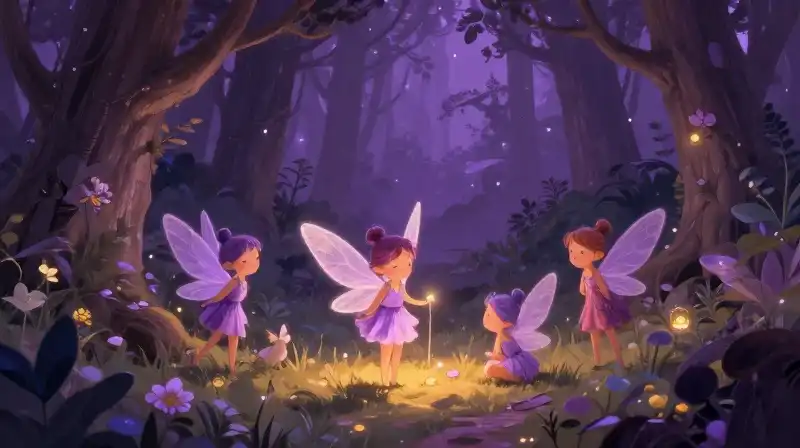
The modern, glittering image of a fairy—the tiny, winged, often mischievous figure—is a relatively recent cultural product, distinct from the historical elven archetype.
The Borrowed Concept
The word “fairy” itself was later borrowed into English from French. This adoption into the English language coincided with a decline in the belief in the large, complex elves. During this period (early modern era), educated elites popularized a new version of the supernatural being—the diminutive, winged sprite, heavily influenced by works such as William Shakespeare’s *A Midsummer Night’s Dream* [1, 2]. This allowed the concept of magic to be distilled into a more aesthetic, visually appealing, and story-friendly package for the burgeoning child literature market.
The Modern Fairy as Symbol of Wonder
Today, the fairy is primarily a symbol of whimsical wonder. They inhabit meadows and woods, serving as guides, protectors, or, most commonly, minor tricksters. They represent the beautiful, fleeting magic found in the seemingly ordinary corners of our world, making them a perfect figure for comforting bedtime tales.
| Feature | Ancient Elf (Folklore) | Modern Fairy (Children’s Tales) |
|---|---|---|
| Size | Often human-sized or larger | Small and diminutive |
| Vibe | Powerful, dignified, and sometimes frightening | Whimsical, mischievous, and ethereal |
| Origins | Ancient Germanic/Norse myth | French loanword, popularized in the early modern period |
| Core Element | Power, lineage, and history | Magical wonder and nature |
The Fae: The Great Ambiguity and the Parallel World
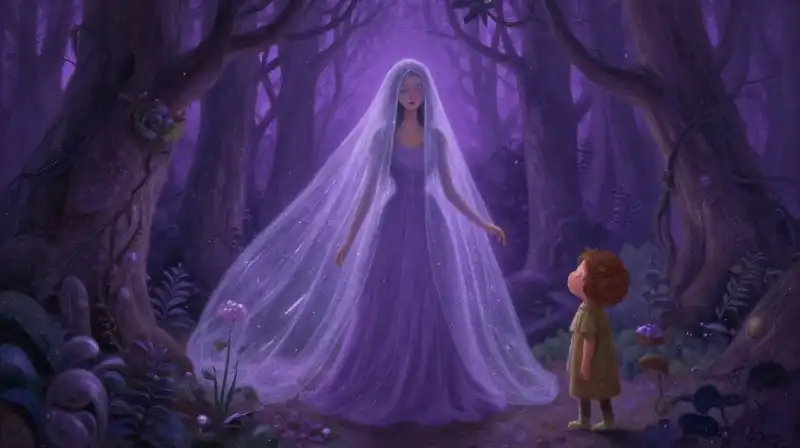 When writers intentionally use the term “fae” or “faeries,” they are usually signaling a departure from both the noble, heroic elves and the saccharine, winged fairies.
The Nature of Faerie
The Fae (or Fair Folk) often represent the “Other” or the parallel world—a land that exists just outside the normal flow of human experience. Unlike fairies, the Fae are frequently depicted as morally ambiguous tricksters [1]. They do not necessarily adhere to the rules of human morality. They might be human-sized or strange, living realms that defy linear time. Their stories are often centered around magical bargains and dangerous entanglements.
Deception, Not Lying
A common characteristic of the Fae is their masterful deception. While they are often unable to tell a straightforward lie, they are incredibly skilled at twisting truth and leading human characters into complex, dangerous magical situations [1]. They are beings of profound mystery, often embodying the chaotic and beautiful unpredictability of the untamed natural world.
Answering the Big Questions: Myth Meets Modern Storytelling
What is an elf fairy?
If you encounter the phrase “elf fairy,” you are likely describing a hybrid archetype—a character that blends the physical grace and nobility of an elf with the small, winged, delicate nature of a fairy. Essentially, it is a contemporary literary creation designed to combine the best of both worlds: the timeless aesthetic of the ancient forest (elf) with the delicate magic of the woods (fairy). This “elf fairy” is essentially a highly refined, modern version of the diminutive, nature-loving forest spirit.
Why are elves called fairies? (A Cultural Note)
This perceived connection usually stems from the 19th and early 20th-century trend of simplifying mythology for children. As the complex, powerful medieval elves faded from common parlance, they were often re-imagined into simpler, smaller versions that fit the whimsical “fairy” narrative. The association is a historical and literary bridge, not necessarily a biological or mythological one.
The Binding Force: The Power of Cold Iron
Across almost all traditions, both the subtle Fae and the ancient Elves share a powerful common vulnerability: cold iron [1]. In a world where these beings wield sophisticated magic and possess hidden power, the introduction of cold iron acts as a magical “kryptonite.” It is the one substance that can keep them at bay, nullify their powers, or force them into hiding, providing a crucial element of conflict and grounding in hero narratives.
Thematic Synthesis: What These Creatures Tell Us About Magic
Whether they are the noble, timeless Elves, the ethereal, wondrous Fairies, or the enigmatic, trickster Fae, these beings serve as vital conduits for themes of nature, power, and identity in children’s literature.
The Lessons in Conflict and Balance
The different approaches these beings take—the Elf’s focus on ancient duty, the Fairy’s charm and mystery, and the Fae’s complex duality—offer distinct story lessons for young readers. The elf teaches endurance and honor; the fairy invites wonder and gentle curiosity; and the Fae encourages a cautious respect for the hidden power of the world, even when it is beautifully dangerous.
The Power of Archetype for Educators and Parents
For parents and educators, understanding these nuances allows for richer story analysis. When a child engages with a tale of a fairy, they are experiencing the magic of simplicity and wonder. When they encounter an elf, they are often engaging with themes of noble heritage and the eternal. When they meet the Fae, they are learning about the complexity of morality—that magic and beauty often come with a price and a side of wild risk. By seeing these creatures as vessels for these deeper themes, we move beyond simple character identification to genuine story understanding.
Sources
- What is the differences between faeries, fae, and elves? : r/Fantasy — reddit.com
- Wikipedia — en.wikipedia.org
Frequently Asked Questions
What is an elf fairy?
An "elf fairy" is defined as a hybrid archetype that blends the physical grace and nobility of an elf with the small, winged, delicate nature of a fairy. It is essentially a contemporary literary creation designed to combine the aesthetic of the ancient forest with the delicate magic of the woods.
Why are elves called fairies?
This perceived connection usually stems from the 19th and early 20th-century trend of simplifying mythology for children. As complex, powerful medieval elves faded from common parlance, they were often re-imagined into smaller versions that fit the whimsical "fairy" narrative.
Related Articles