
Why the Grimm Fairy Tales Comic Is So Dark: A Look at Subverted Fables

Introduction
When you pull a classic story from a dusty bookshelf, you might expect comforting symmetry: a clear line between good and evil, a lesson that neatly ties up at the end. But what happens when those foundational fables—the kind your grandparents might have read to you—are subjected to a lens of modern grit and profound darkness? The *Grimm Fairy Tales* comic series is precisely that subversion. It takes the familiar scaffolding of European folklore and wraps it in something sharp and unsettling, exploring “what if” scenarios where the shadows are deeper than the moonlight and the magic comes at a terrible cost.
What is the Grimm Fairy Tales Comic?
For those who ask, “Does Grimm have a comic?” or “What is the Grimm Fairy Tales comic?” [2], the answer is a vibrant, ambitious adaptation that re-imagines traditional fables with significant, often shocking, twists. This series is more than just a colorful retelling; it’s an investigation into the darker, primal undercurrent of folklore. It elevates classic themes of good vs. evil into a modern exploration of complex desires, inevitable suffering, and the consequences of inaction. It asks its readers to look past the polished versions of their childhood and confront the psychological weight of the myths themselves [2].
The Allegorical Core: Dr. Sela Mathers and the Warning
The series grounds its sprawling narrative in a sophisticated frame story, making the entire collection feel like a cohesive, myth-driven universe. Central to this structure is Dr. Sela Mathers, a literature professor who begins to experience visions of these allegorical tales [2]. Dr. Mathers finds herself acting as a form of justice, using these harrowing glimpses into the past to attempt to warn people against making dangerous or life-altering choices. Her path eventually leads her into a conflict with her nemesis, Belinda, transforming her from an observer into a figure who attempts to hold power accountable [2].
This use of the “warning” motif is the philosophical engine of the entire series. In these adaptations, the grim endings and violent imagery are not mere shock tactics; they function as cautionary tales, suggesting that failure to change one’s fundamental ways will inevitably lead to a fate that mirrors the terrible lessons of the original story, or worse [2].
The Beauty of Subversion: How the Classics are Turned on Their Head
The true brilliance of the *Grimm Fairy Tales* comic series lies in its willingness to dismantle the comfortable versions of fairy tales we know. By presenting classic characters in darker, more complex forms, the series achieves a powerful, often visceral, reinterpretation of their original archetypes [1].
| Tale | Classic Trope | Dark Subversion (in this Comic) |
|---|---|---|
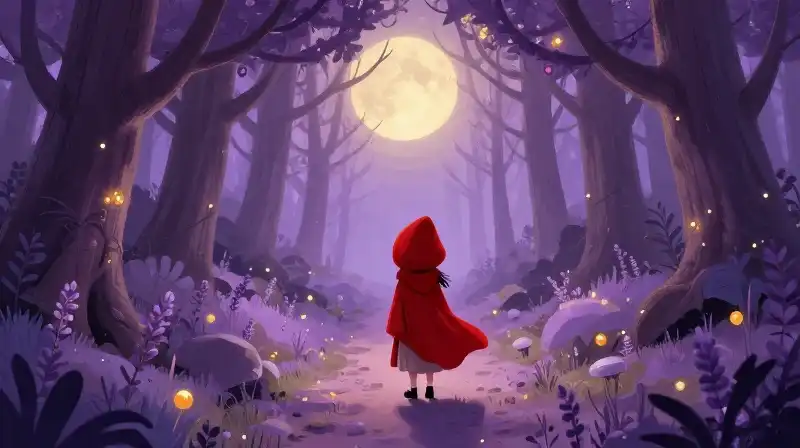
| Little Red Riding Hood | A gentle warning against straying from the path. | A harrowing confrontation with a terrifying beast driven by “insatiable hunger” [1]. |
| Cinderella | Seeking a magical resolution and gentle recovery. | Cinderella must seek a “shocking vengeance” for past torture, introducing a dangerous, demonic element where a female demon offers her desires in exchange for her soul [1, 2]. |
| Hansel & Gretel | Enduring hardship and surviving through wit. | The narrative escalates beyond their initial challenges, establishing a pervasive tone of psychological dread and mortal peril [1]. |
| Sleeping Beauty | The tragedy of cursed love and eventual awakening. | The tale is subverted to investigate themes of narcissism and envy, ending in a gruesome scenario involving the Robber Bridegroom [1]. |
| The Robber Bridegroom | The horror of an escaped captor or dark sorcery. | A deep dive into primal desire, where the presumed prince and his servants are revealed as cannibalistic ghouls [2]. |
Anatomy of the Darkness: What Drives the Villains and Themes?
The “darkness” of these stories often stems from the series’ commitment to exploring primal human motives: desire, envy, and the terrifying capacity for psychological endurance under duress [2].
The Allure of the Demonic Deal
In the re-telling of *Cinderella*, the introduction of a female demon who offers the protagonist wishes for her soul [2] serves as a profound commentary on the cost of ambition. It shifts the narrative from a simple quest for a prince to a perilous negotiation with the self. The demon’s offer highlights the thin line between a simple wish and a Faustian bargain, suggesting that every desire, however seemingly pure, carries a shadow of consequence.
The Universal Scope: More Than Just One Book
While the initial volumes contain specific, stark tales like *Little Red Riding Hood*, *Hansel and Gretel*, and *Rumpelstiltskin* [1, 2], the narrative scope of the larger *Grimm Fairy Tales* universe is vast. It encompasses fictional locales such as Wonderland, Oz, Neverland, Myst, and Earth, all intertwined within an ancient, ongoing conflict between the Dark One and the Guardians [2]. This elevates the stories from isolated fables to components of an epic, sprawling mythology [2].
Addressing the Reader’s Questions
Often, when people search for “Grimm fairy tales manhwa” or “Grimm fairy tales omnibus” [related searches], they are looking for a comprehensive way to engage with these specific retellings. It is important to note that while the visual presentation of the covers of the series can be striking and highly sexualized [3], the content within the internal stories focuses more intently on the “darker and grittier aspect” of the original tales [3]. For readers looking for the deepest thematic analysis, the internal narrative is where the true richness and complexity of the subversion are found [3].
The Meaning of the Gothic: From Cover to Core
A common point of discussion for those reviewing the comic series concerns the difference between its visual packaging and its thematic depth. Critics observe a distinction: the striking, often highly sexualized covers contrast with the internal focus on the “darker and grittier aspect” of the fables [3]. This juxtaposition is itself a comment on modern storytelling—how the superficial, highly stylized imagery can act as a gateway to examine profoundly complex and unsettling themes of human nature and folklore.
Synthesis: Why These Fables Still Matter
The *Grimm Fairy Tales* comic series is not simply designed to frighten; it is designed to illuminate. By presenting cannibalistic ghouls in *The Robber Bridegroom* or the existential dread of *Hansel and Gretel*, the series forces the reader to engage with the raw, untamed human psyche that the original, gentler tales sought to suppress. It respects the folklore by refusing to sanitize its power. It reminds us that fairy tales are not just stories of princes and princesses, but mirrors reflecting fundamental human truths: the consuming nature of desire, the terror of the unknown, and the necessity of personal growth, even when that growth comes through a terrifying encounter with one’s own shadow.
Sources
- Grimm Fairy Tales Graphic Novels — zenescope.com
- Grimm Fairy Tales (comics) — en.wikipedia.org
- Are the Zenescope Grimm Fairy Tales series worth reading? : r/comicbooks — reddit.com
Frequently Asked Questions
Does Grimm have a comic?
Yes, Grimm has a comic series which is a vibrant and ambitious adaptation of traditional fables. This series serves as an investigation into the darker, primal undercurrent of folklore.
What is the Grimm Fairy Tales comic?
It is a vibrant, ambitious adaptation that re-imagines traditional fables with significant, often shocking, twists. It is more than just a colorful retelling, as it explores complex desires and the consequences of inaction by looking at the psychological weight of the myths.
Related Articles