
Best 10-Minute Bedtime Stories: Magical Tales for Kids and Sleep


Introduction
When the last of the daylight fades, the world often feels hushed, but for young imaginations, the night holds an equally deep and boundless magic. Finding the right stories to transition a child from the active world of the day to the quiet embrace of sleep requires more than just a chronological reading; it requires finding tales that resonate—stories that bridge the gap between the ordinary and the extraordinary with clear, warm, and perfectly timed narratives.
The concept of the “10-minute bedtime story” is not just a time constraint; it is a masterclass in narrative efficiency. These short, curated adventures—ranging from classic folklore to “dark fairy tale retellings”—are designed to be potent, memorable, and perfectly paced for a child’s attention span as they settle down. Whether your goal is to ease the path to sleep, spark imaginative discussion, or introduce a complex moral lesson, these magical collections provide a rich well of content [1].
How Magic Transforms a Tale
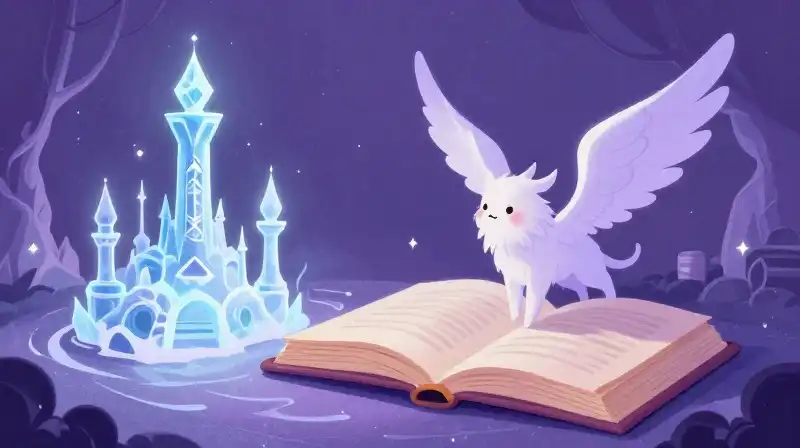
What elevates a simple fairy tale into a bedtime masterpiece is the quality of its thematic focus. In a story meant to capture a child’s imagination in ten minutes, every element—a creature, a color, a gesture—must carry weight. Magic stories for kids often use fantastical elements not merely as decoration, but as vehicles for deep emotional learning. The “10 Min Stories” collection offers a curated selection where creatures and settings are deliberately chosen to unlock these themes, whether it is the courage required to face an “icy realm” like in a poetic retelling of The Snow Queen [2], or the wisdom gained through navigating a complex family history, as seen in tales like Long-Lost Uncle Doran [2].
The 10-Minute Magic Toolkit: Core Themes
If you are searching for a story to serve a specific developmental or emotional need, these themes are often the most potent within the short-form magical library:
- Courage and Wisdom: Stories that ask protagonists to face daunting challenges, such as those exploring the deep themes of wisdom through the complex narrative of The Boy and the Sorcerer [2].
- Identity and Value: Narratives that challenge the superficial, such as Beauty and the Beast, presented as a powerful poetic retelling that focuses on identity and courage [2].
- Kindness and Connection: Tales that explicitly incorporate “Discussion Topics” like Kindness, Empathy, and Gratitude, making them ideal for family conversation [1].
- Resilience and Ingenuity: Stories for younger children seeking themes of confidence and cleverness, exemplified by the retelling Seven At One Blow, which mirrors the bravery of The Brave Little Tailor [2].
Tailored Magic: Choosing a Story by Age and Mood
The “best” story for bedtime is the one that meets the child exactly where they are emotionally and developmentally. The range of age-specific filtering, from Age 0-3 to Age 7-12, ensures you are selecting content that matches your child’s capacity for complexity. Here is a guide to navigating the magical library based on need:
- The Soothing Listener (Ages 0-3): For the very young, simplicity and repetition are key. The focus should be on gentleness, often found in traditional or gentle folklore. Look for selections within the “Sleep and Bedtime” categories designed to help wind down [1].
- The Curious Explorer (Ages 4-7): This group thrives on vivid imagery, clear morality, and satisfying arcs. They are ready for strong fantasy characters like those found in the *Dragons*, *Unicorn*, and *Witches* sub-genres, allowing them to explore concepts of “co-operation” in a concrete way [1].
- The Thoughtful Apprentice (Ages 8-12): Older children can handle narratives with layers and nuance. This is where the complex storytelling shines, including “dark fairy tale retellings” or tales that use unconventional structures, such as “playful postcards” to teach lessons about mistakes and family connection in Long-Lost Uncle Doran [2].
The Taxonomy of Fantasy: Creature Deep Dives
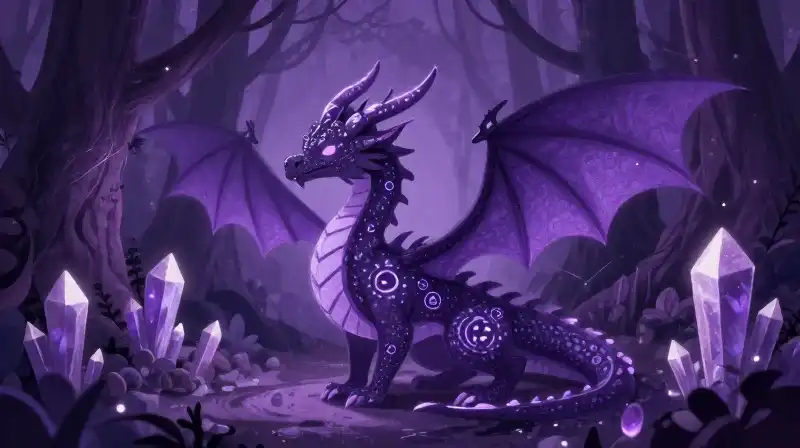
Creatures are the building blocks of magical worlds. They can be comforting, fascinating, or truly fearsome. Understanding what these beings represent allows parents to guide the story’s emotional impact.
| Creature Type | Characteristic Trait | Thematic Purpose / Analysis |
|---|---|---|
| The Dragon | Fear and Quest Target | Often serves as the primary obstacle in a traditional quest, such as when a Princess must be rescued from a fearsome dragon [2]. The dragon symbolizes the daunting challenge itself. |
| Villain Archetypes | Intimidation (e.g., Mykyta the Skin-Wringer) | While scary, these villains exist within the framework of the quest, allowing children to understand the importance of courage and strategic thinking in overcoming true evil [2]. |
| Magical Beings (Fairies, Mermaids, etc.) | Enchantment and Mystery | These beings provide the “magical” element of the story, linking the fantastic to the narrative’s moral center, from the deep sea to the air [1]. |
Navigating Darker Tales
It is important to distinguish between “dark” and “unsettling.” Dark fairy tales, like those focusing on the deeper challenges of life, offer a unique opportunity to explore wisdom and growth. For example, the retellings included in the library are designed to explore these themes through complex narratives, allowing children to navigate fears in a safe, literary space. Parents can use these stories as a bridge to discuss courage in the face of fear, rather than simply dwelling on the scary elements.
Magic in the Classroom: Educational Application
The value of these curated stories extends far beyond the pillow. For educators, these concise, high-impact narratives provide ready-made discussion points and cultural insights into diverse storybook worlds [1]. The ability to link abstract magical themes to tangible lessons is powerful in a classroom setting.
Beyond the Plot: Using Discussion Topics
When a story features a magical creature or a “poetic retelling” like The Snow Queen or The Twelve Dancing Princesses, it is not just a plot to be observed, but a canvas for debate. The curriculum can easily pivot to examining the core virtues presented alongside the magic:
- Empathy and Co-operation: Discussing how a character’s internal struggles are resolved by understanding others.
- Cultural Literacy: Using the “Chinese stories” or “Indian Stories” within the collection to introduce children to global folklore and diverse narrative structures [1].
- Navigating Transitions: Using stories linked to “Sleep and Bedtime” to model healthy routines and emotional regulation.
The Last Whisper: Synthesis
A powerful, ten-minute bedtime story succeeds because it doesn’t try to cover everything; it focuses intently on one vital spark. Whether that spark is the fierce loyalty of a magical creature, the quiet bravery of a clever character, or the powerful realization of self-worth, these curated tales give children more than just a diversion—they give them a mirror. They reflect the deepest themes of human experience—courage, kindness, and the journey from darkness to light—all wrapped in the enchanting, digestible package of ten minutes. They leave the reader with more than just an idea; they leave them with a richer understanding of the heart behind the magic.
Sources
- 10 Min Stories | Bedtime Stories — storyberries.com
Related Articles