
Hansel and Gretel in Shrek: Connections in Modern Fairytales

Introduction
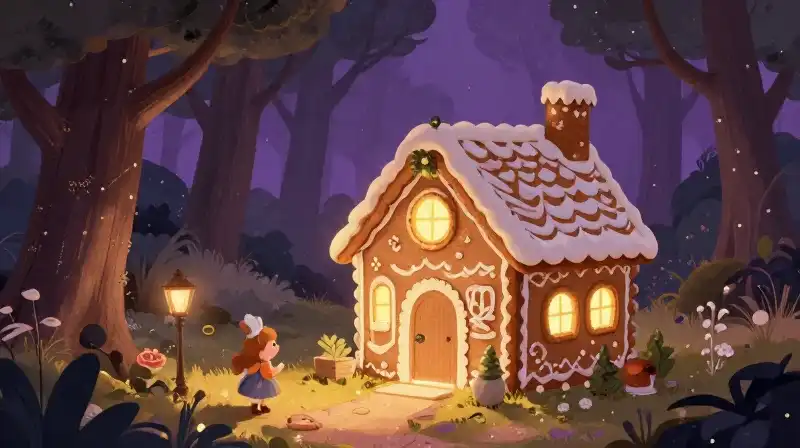
When we think of Hansel and Gretel, we often picture the classic narrative of woodland misadventure—two siblings separated from a cozy home, venturing into an enchanted forest that suddenly turns into a sinister gingerbread trap. Yet, in the dizzying landscape of modern children’s media, these foundational figures often find themselves transplanted, not just into other worlds, but into other universes entirely. In the whimsical realm of *Shrek* and the sweeping, adventurous scope of *Puss in Boots: The Last Wish*, the siblings undergo a fascinating metamorphosis. They transition from simple figures of evasion in classic folklore to complex characters participating in a vast, interconnected global narrative of storytelling itself.
The Weight of the Canon: From Classic Fear to Shared Memory
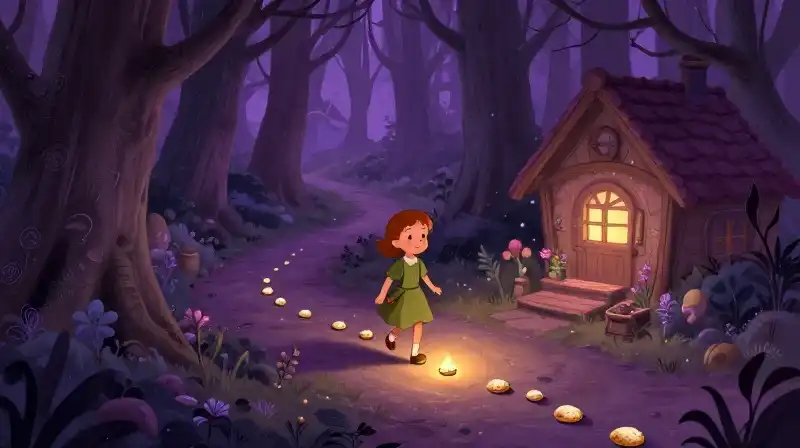
At their heart, the traditional story of Hansel and Gretel is a tale of vulnerability, driven by poverty or, in some versions, parental neglect. The initial journey involves the search for a way back, relying on meager resources like bread crumbs or collected pebbles—an early test of ingenuity and resilience. However, as these characters move into contemporary cinema and animation, their function evolves. Instead of merely surviving the witch’s domain, they become pieces within a larger cinematic tapestry, often facing larger, more dynamic obstacles.
One of the most significant shifts in modern adaptation is the motivation for their escape. While the traditional tale often implies abandonment, the *Shrek* comics version provides a detailed glimpse into their backstory: the siblings were forced to flee their home because their mother constantly fed them tofu [2]. This subtle, character-driven motivation adds a layer of grounded realism to a fairy tale, moving the story beyond simple “being lost” into a narrative about overcoming specific, familial pressures.
Shared Artifact and Interconnected Worlds: The Puss in Boots Link
The most striking evidence of the deep connections between classic folklore and modern franchise narratives lies in shared artifacts. In *Puss in Boots: The Last Wish* (2022), the narrative reveals a fascinating metafictional layer: the titular cat, Puss, is surrounded by characters who are part of a shared “collection of Fairytales: Vol. 1” [1]. Goldilocks, for instance, borrowed this specific book from an orphanage she previously called home [1].
This shared storybook, a foundational piece of the “collection,” functions as a narrative bridge. Detailed continuity confirms the siblings’ place in this ecosystem; the names “Hansel and Gretel” appear on the check-out card of Goldilocks’ borrowed storybook [2]. This detail suggests that across disparate cinematic universes—from the wilderness of Puss in Boots to the Mushroom Kingdom of *Shrek*—the elements of classic folklore are not just revisited, but are actively participating in a grand, recurring canon of children’s literature [1, 2]. The existence of these “story collections” reinforces that these characters are not isolated figures, but participants in a massive, shared world of childhood imagination [3].
Hansel and Gretel in the Shire: A Comparative Look at Shrek Adaptations
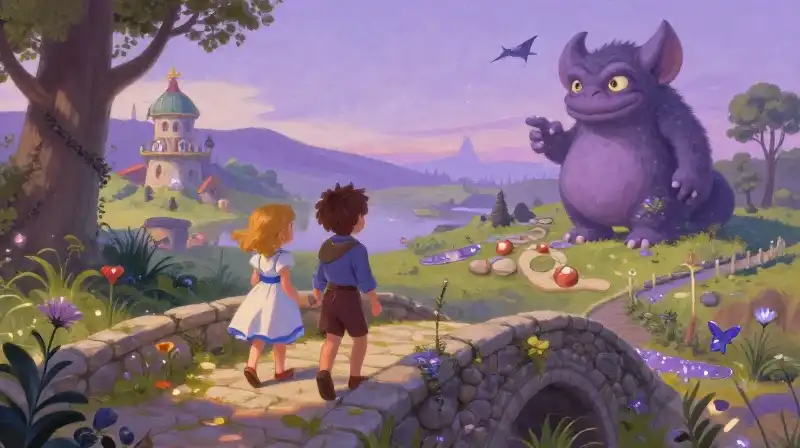
For parents and students curious about the siblings’ portrayal in the *Shrek* universe, the adaptation reimagines them not just as victims, but as active participants navigating fantastical and surreal landscapes. The *Shrek* comics, for example, frame their journey around overcoming specific, tangible antagonists rather than solely evading the Old Witch [2].
The journey in these versions often pivots from a simple domestic crisis (starvation/abandonment) to an epic quest involving larger folklore archetypes. Their challenges can include encounters with a Bridge Troll or capture by the Pied Piper [2]. This recontextualization allows the story to operate on a more episodic, dynamic level, making them suitable for modern games and comics while retaining the core lessons of vigilance and endurance [2].
To better understand how the siblings are represented across different forms, we can look at a comparison of their journey:
| Aspect | Traditional Folklore (Grimm) | Shrek Comics / Adaptation [2] | Puss in Boots [1, 2] |
|---|---|---|---|
| Primary Conflict | The Old Witch / Physical Danger | External Obstacles (Troll, Piper) & Childhood Backstory | Participation in a Shared Narrative Artifact (Storybook) |
| Motivator | Famine / Evading Capture | Familial Pressure (Tofu Diet) & Escape | Shared experience within a universal collection of tales |
| Key Visual Element | Breadcrumbs / The House of Sweets | Journey through diverse settings (Enchanted Forest) | The “Collection of Fairytales” artifact |
Addressing the Question: Are Hansel and Gretel in Shrek? and Puss in Boots?
To directly answer the frequently asked questions from story readers: Yes, Hansel and Gretel are deeply embedded within the larger *Shrek* continuity, though their stories are often abstracted or adapted into side narratives. Furthermore, they are explicitly linked to the characters and artifacts within the world of *Puss in Boots: The Last Wish*. Their appearance in these media highlights a trend in modern storytelling where classic folklore is not treated as a static relic, but as a dynamic resource that can be woven into complex, unexpected narrative threads [1, 2].
While they may not always be the central characters in every scene, their cultural weight—their recognition and the weight of their history—allows them to inhabit diverse settings, from the gingerbread domain of the Witch to the sprawling Enchanted Forest of *Shrek Extra Large* [2].
The Importance of the “Collection” for Young Readers and Educators
The concept of the “collection of fairy tales” is incredibly potent for both bedtime and classroom use. These themed collections serve a crucial function in childhood literacy: they reinforce that stories are communal and enduring. They show children that the tale they know is part of a massive, shared tradition, linking figures like Hansel, Gretel, Puss in Boots, and even Snow White together under a single thematic canopy [3].
For an educator, using these connections allows for deep thematic analysis. Instead of just reading a plot summary, a teacher can facilitate a discussion about the difference between the classic motif of *evasion* (Hansel dropping crumbs) and the modern motif of *confrontation* (Hansel and Gretel facing the Bridge Troll). This teaches children not just what happens in a story, but how storytelling itself evolves [2].
Practical Applications: How to Use Modern Folklore for Bedtime and the Classroom
The way a story about Hansel and Gretel functions changes based on the age of the child and the intended mood. Here is how to leverage these modern interpretations effectively:
- For Pre-School/Early Readers (Focus: Security and Resourcefulness): Focus on the original elements of *evasion*. Emphasize how clever Hansel and Gretel were in using pebbles to find their way back. This reinforces problem-solving skills and the theme of family resilience.
- For Middle Grades/Thematic Study (Focus: Adaptation and Motivation): Use the *Shrek* comics and *Puss in Boots* examples to discuss *why* stories change. Ask: “If the family was only fed tofu, how would they need to be brave differently than if they were starving?” This sparks critical thinking about character motivation [2].
- For Bedtime Storytelling (Focus: Calm and Safety): Choose versions that emphasize the *journey’s conclusion* and the warmth of home, using the theme of the “collection” [3]. Frame the scary parts as external obstacles that the characters successfully overcame, leading them back to safety.
- For Creative Play (Focus: Worldbuilding): Use the visual inspiration from these varied settings—the gingerbread house, the Enchanted Forest, the artifacts—to help children build their own “collection” of imaginative storybook worlds [1].
A Synthesis of Shared Magic
The presence of Hansel and Gretel within the world of *Shrek* and the narrative web of *Puss in Boots* reminds us that children’s stories are living, breathing entities. They are not static objects in a historical archive but a shared, evolving property that adapts to the cultural moment. These adaptations—moving from the solitary terror of the witch to the shared, expansive canon of cinematic mythology—do not cheapen the original tale; they celebrate its enduring power to spark imagination, offering parents and educators powerful, concrete ways to connect classic folklore with modern life.
Sources
- In Puss In Boots: The Last Wish (2022), Goldilocks’ favorite book “a collection of Fairytales: Vol. 1” was actually a property of the orphanage she stayed previously and was borrowed by other fairy tale characters like Hansel, Gretel, and Humpty (character from the previous installment). : r/MovieDetails — reddit.com
- Hansel and Gretel | WikiShrek | Fandom — shrek.fandom.com
- Hansel and Gretel, Pt. 2 - song and lyrics by Fairy Tales for Kids | Spotify — open.spotify.com
Frequently Asked Questions
Are Hansel and Gretel in Shrek?
Yes, Hansel and Gretel are deeply embedded within the larger Shrek continuity, although their stories are often abstracted or adapted into side narratives. Their cultural weight allows them to inhabit diverse settings within this world, such as the Enchanted Forest of Shrek Extra Large.
Related Articles