
The Fractured Fairy Tale Explained: How Classics Get a Modern Twist

Introduction
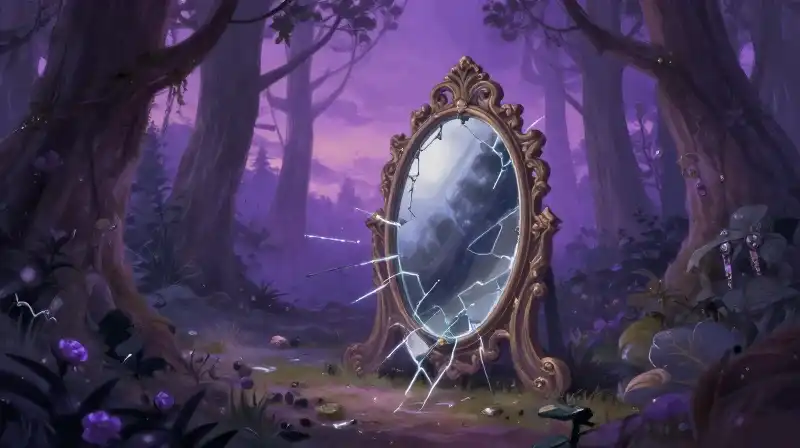
There is a specific kind of magic in a familiar story. It is the warmth of the predictable rhyme, the satisfying crunch of the inevitable confrontation, the comforting rhythm of a tale we’ve heard a hundred times. But what happens when that familiar cadence is slightly, wonderfully, intentionally warped? A fractured fairy tale takes the beloved architecture of a classic story and, without demolishing its foundation, rearranges its floors, challenges its windows, and changes the way the light falls through the glass. It is a narrative that respects the soul of the myth while giving it a powerful, necessary, and often brilliant modern twist. For parents and educators, exploring these fractured stories is not just an exercise in literary curiosity; it is an invitation to understand how foundational myths evolve, how social perspectives shift, and how children can view the world with both reverence and critical, imaginative eyes.
What Exactly is a Fractured Fairy Tale?
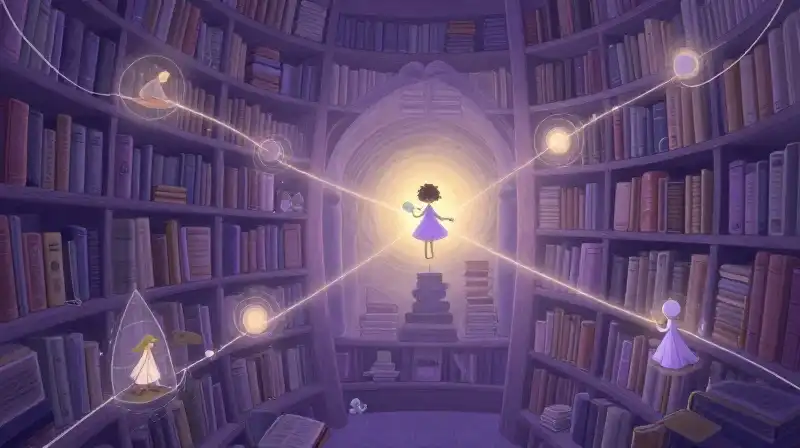
At its heart, a fractured tale is a classic story that is reimagined, rearranged, or updated to achieve new plots or fundamentally different messages [2]. It doesn’s aim to destroy the original truth, but rather to enrich it. Think of it as the improvisation of a jazz musician: the core notes, the fundamental tune of the story, remain recognizable, but the phrasing, the rhythm, and the unexpected solos give the piece a vibrant, unique energy [2].
The mechanism of fracturing is often the act of perspective. By changing who is telling the story, or changing the time and place, the narrative unlocks new possibilities for empathy and deeper critique. The foundational approach is always to change the narrative intent, allowing universal truths—like the struggle for goodness or the complexity of love—to remain intact, even as the setting or the moral message updates to resonate with contemporary audiences [2]. This approach encourages a simple, vital subversion of character, moving characters away from rigid, stereotypical roles and giving them genuine agency [1].
The Toolkit of the Fractured Story: How Classics Get a Twist
Writers, directors, and musicians employ several specific techniques to “fracture” a tale, moving it from a rigid historical artifact into a dynamic modern commentary. Understanding these tools helps us see the subtle shifts in storybook worlds.
Shifting the View: The Antagonist’s Tale
Perhaps the most powerful fracturing technique is changing the point of view. Instead of viewing a character through the lens of the hero, we see the world through the eyes of the perceived enemy. This forces the reader to grapple with complexity, moving beyond simplistic good-versus-evil binaries [2].
- The Wolf’s Perspective: In *The True Story of the Three Little Pigs*, the famous terrifying wolf is recast not as a monstrous predator, but as a character with a surprisingly mundane problem—he merely has a bad cold and a desire for a cup of sugar [2]. This small shift completely recontextualizes the conflict, moving it from a life-or-death hunt to a matter of uncomfortable neighborly tension.
- The Burden of the Middle Child: Garrison Keillor’s retelling of *The Prodigal Son* fractures the traditional message of redemption by presenting the story from the perspective of the prodigal son’s brother, asking the pointed question, “Where’s my fatted calf?” [2]. This shifts the tale from a simple moral lesson to a complex exploration of jealousy and family expectations.
Relocating the Myth: Culture and Time
Fracturing often involves moving the story out of its original setting to address different cultural or social climates. These relocations act as a powerful metaphor, showing how themes of race, class, and environment function in specific times and places [2].
- New Orleans and the Frog Prince: Disney’s fractured take on *The Frog Prince* is a brilliant example of cultural fracturing, moving the setting to 1920s New Orleans and crucially featuring African American characters [2]. This move reclaims the story, injecting a new cultural vibrancy and addressing the constraints of the original narrative framework.
- From Verona to Manhattan: In the transformation of the Greek myth *Pygmalion*, the sculptor is reimagined as Henry Higgins, and the setting becomes modern, transforming the original romantic tale into a sharp critique of the British class system [2]. A more dramatic example is the musical *West Side Story*, which completely reframes the myth of *Romeo and Juliet* by replacing the warring families of Verona with warring ethnic groups in the west side of Manhattan [2].
- The Jazz of the Old Testament: Modern musicals often introduce drastic anachronisms. *Joseph and the Amazing Technicolor Dreamcoat* fractures the Old Testament by injecting modern, highly anachronistic elements, such as an Elvis Presley impersonator singing rock and roll, radically changing the tone of the spiritual journey [2].
Revealing the Unseen: Perspective and Precedent
Sometimes, fracturing simply means adding a layer of depth that the original story omitted. These versions provide necessary context to characters we once took for granted. The *Wicked* story (both the novel and musical) serves this purpose by offering a vital prequel to *The Wizard of Oz*, meticulously detailing the life and perspective of the Wicked Witch of the West [2]. It doesn’t erase the original tale; it builds a richer, more nuanced scaffolding around it, exploring motivation rather than just fate.
Life Beyond the Bow: The Sequel
What happens after “happily ever after”? Some of the most imaginative fractured tales focus on the lives of characters once deemed finished. In *Into the Woods*, a critical fracturing is the creation of a sequel whose second act explores the often-overlooked lives of characters like Little Red Riding Hood, Cinderella, and Rapunzel *after* their moment of triumph [2]. This honors the idea that life, even after the magic, is messy, complex, and full of choices.
Is Shrek a Fractured Fairy Tale?
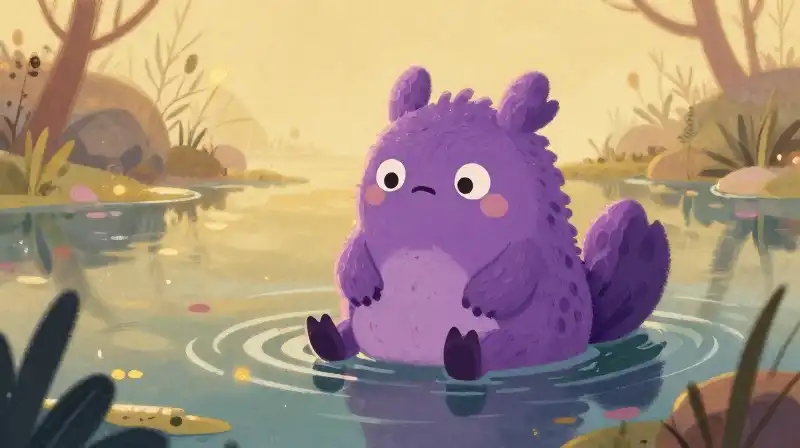
This is a fantastic question often posed to curious readers, and the answer is a resounding yes, though Shrek is a specific type of modern, cultural fracture. While he doesn’t come from a specific medieval folk tale, Shrek is fundamentally a fractured representation of the fairy tale archetype: the monstrous hero who must learn to embrace his true, often misunderstood, self. Like many fractured tales that address social issues, Shrek subverts the traditional need for a conventionally handsome prince. Instead, he champions the power of the outsider, challenging the fairy tale trope that beauty and pedigree are the ultimate measures of worth [1]. He embodies the concept of simple character subversion—being “unrefined” but possessing deep emotional strength.
The Power of Agency: Why Fractured Tales Matter for Young Readers
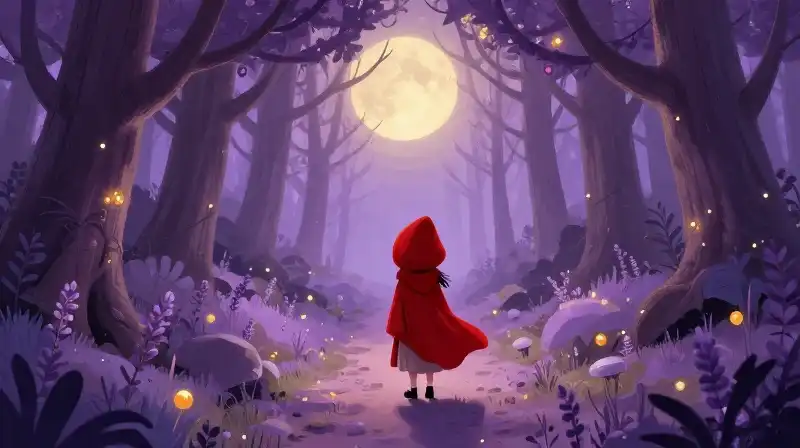
For a child navigating a world of rules, myths, and expectations, fractured fairy tales are invaluable. They demonstrate that “the ending” is not an immutable law of the universe. By showing Red Riding Hood having stronger agency against her original constraints, or by showing characters like the Wolf having complex motives, these stories provide a powerful blueprint for empathy [1].
They teach young readers that even the seemingly fixed parts of a culture—like the expectation that a girl must wait passively for rescue—are negotiable. This makes these stories powerful tools for discussions in the classroom or for bedtime conversations, allowing you to ask: *Who has the power in this story? What choices does this character make?* By asking these questions, we move beyond passive consumption and into active, imaginative participation.
Synthesis: The Ever-Changing Melody
The enduring magic of the fractured fairy tale lies in its refusal to be static. It proves that the power of classic stories isn’t in their exact plot, but in their ability to evoke universal truths—a need for acceptance, a fear of the unknown, the longing for true belonging. When a classic tale is fractured, it is not diminished; it is given a second, richer life. It becomes a dialogue between the past and the present, reminding us that story is not just a preserved relic, but a living, breathing art form that can, and should, be constantly reimagined to make sure that its magic remains relevant for generations to come.
***
Sources
- 15 Fractured Fairy Tales for Young Readers — readbrightly.com
- WHAT ARE FRACTURED FAIRY TALES? – Florida Storytelling Association — flstory.com
Frequently Asked Questions
Is Shrek a fractured fairytale?
Yes, Shrek is considered a modern, cultural fracture of the fairy tale archetype even though it does not come from a specific medieval folk tale. He subverts the traditional need for a handsome prince by championing the power of the outsider and challenging the trope that beauty and pedigree are the ultimate measures of worth.
Related Articles