
Modern Fairy Tales: How Classic Myths Are Reimagined in Todays Stories

Introduction
When we think of fairy tales—redheads, gilded glass slippers, and evil stepmothers—we often picture stories from a single, static era. However, the modern fairy tale is far more dynamic than a simple retelling. It is a vibrant, flexible vessel, taking the ancient, enduring structures of mythology and folklore and reshaping them for a contemporary audience. Today’s reimagining doesn’t just offer a new coat of paint; it often provides a completely new window into the original characters and worlds, asking deeper questions about identity, destiny, and belonging.
For parents and educators looking for rich, imaginative material, the modern tale is a treasure trove. These stories invite readers to view classic motifs not through the lens of a strict moral lesson, but through the lens of personal growth and complex history. Whether it’s exploring the deep woods of Irish folklore or the high-stakes magic of a celestial kingdom, these works invite a genuine understanding of what makes a character tick, and how the world they inhabit informs their journey.
The Cultural DNA: Global Roots in Modern Storytelling
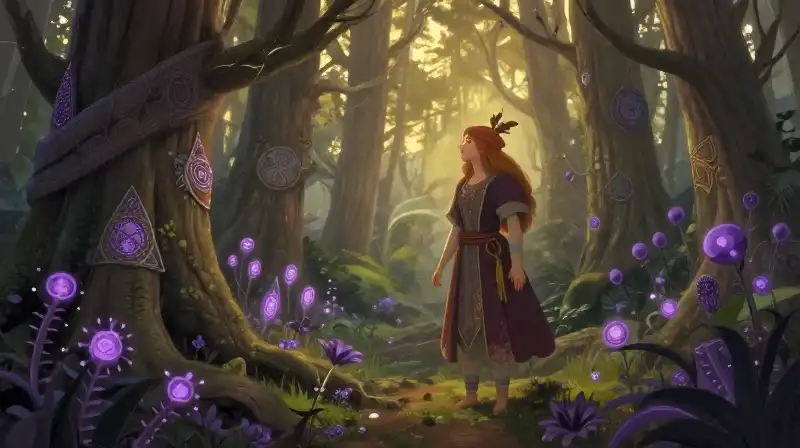
The most sophisticated modern fairy tales are often those that look outward, drawing from diverse global traditions. They move beyond the familiar European tropes to weave in ancient cultural tapestries. This approach allows modern stories to feel simultaneously familiar and fresh, echoing the diverse stories children encounter in the real world.
Bringing Slavic Magic to Modern Readers
The richness of Slavic folklore has found a powerful modern voice in books like *The Bear and the Nightingale* [1]. These tales often explore the tension between ancient, primal magic and the encroaching modern, pragmatic world. By utilizing these deep, atmospheric roots, modern authors give the fantastical a grounded sense of history and power that transcends simple whimsy.
The Irish and Chinese Mythological Lens
The contemporary literary landscape has also seen sophisticated takes on specific cultural mythologies. We can see modern reinterpretations of Irish myths through the *Daughter of the Forest* series [1], and strikingly, in the melding of Chinese mythology with Western tropes. A notable example is *Burning Roses*, which creates a fascinating mashup of Red Riding Hood and the Archer, set within the mature, complex world of middle-aged women [1].
Using Tradition as a Framework
Some authors don’t simply swap a princess for a detective; they embed known stories within massive, unfolding narratives. Terry Pratchett’s *Witches Abroad* is a perfect example of using established folklore as a foundational element within a much larger, expansive narrative structure [1].
Beyond the Moral: Personal Growth and Complex Character
A defining characteristic of the modern fairy tale is its shift in focus. The classic fable often ends with a clear moral (e.g., “don’t talk to strangers”). The modern version, however, is often concerned with character-driven development, atmosphere, and the complexity of the individual’s internal life.
Reclaiming the Mythic Figure
One of the most striking ways modern writers engage with myth is by giving ancient figures a new, deeply personal perspective. *Circe* allows the reader to view a powerful, established figure not just as a mythological force, but as a woman navigating personal power, isolation, and choice from a new, intimate, character-driven angle [1].
The Power of the Interior World
Other modern tales focus on the atmospheric and the internal journey rather than a sweeping quest. John Crowley’s *Little, Big* offers a powerfully atmospheric portrayal of a family living on what is described as a “magical border of another world,” grounding its powerful themes of destiny and profound loss in a single, beautifully detailed setting [1].
The Journey of Transformation
Across various modern interpretations, there is a strong alignment with the fundamental concept of the journey. Works that follow a “narrative pattern of a fairy tale or fable”—focusing on a protagonist’s growth or a specific transformative experience—are central to modern children’s literature [2]. These stories recognize that the challenge lies not just in beating the villain, but in achieving a personal state of becoming.
Structural Innovation: Blending Worlds and Genres
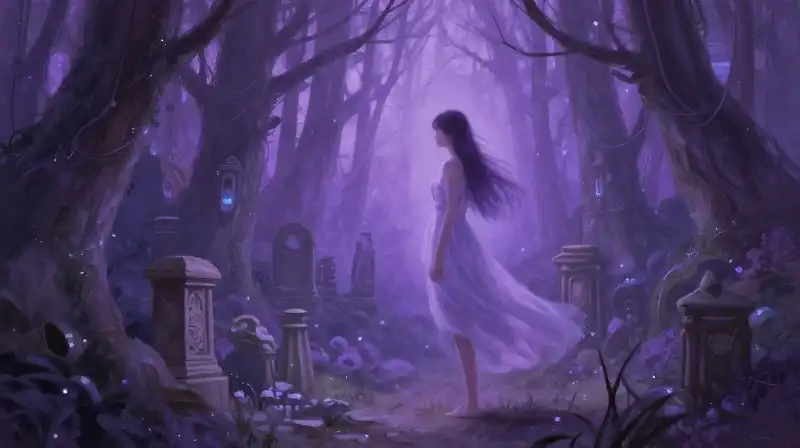
Modern authors are masters of genre blending. They take the recognizable shapes of fairy tales—a cursed prince, a magical helper, a dark forest—and place them inside wildly different frameworks like sci-fi, historical fantasy, or urban realism.
The Fusion of Science and Magic
Science fiction and high fantasy often meet in modern works. *Cinder* serves as a perfect illustration of this blend, modernizing and applying the core structures of classic fairy tales within a sci-fi setting [1]. Similarly, the work of Peter S. Beagle in *The Last Unicorn* remains a staple of modern fantasy, using the high-stakes quest against a mad king’s curse to explore ancient themes of identity and destruction [1].
Dark Realism vs. Whimsical Wonder
Not all modern reimaginings are drenched in high magic. Some deliberately strip away the overt fantasy to achieve a profound effect. Stella Gibbons’ *Nightingale Wood* is a standout example of this non-magical retelling of Cinderella [1]. This approach uses a very grounded, realistic setting to explore the same themes of hardship and deserving happiness, proving that the “fable-like structure” can be found in realistic settings [1].
The Whimsical Philosophy of T. Kingfisher
Whimsy is not the absence of depth. T. Kingfisher’s retellings—including *The Raven and the Reindeer* and *Bryony and Roses*—often operate within a whimsical tone, yet they carry a clear, thoughtful philosophical weight, making them engaging and imaginative without ever feeling dry or overly didactic [1].
Practical Guide for Families: Choosing the Right Modern Tale
The power of a modern fairy tale is its flexibility, but this means it also has a wide range of tones. Here is how you can find the right story for the family mood.
For Atmosphere and Philosophical Wonder (Ages 8+)
If you want a story that stays with a child, prompting deeper reflection on the nature of reality or destiny, look to highly atmospheric works. *Little, Big* or *The Girl Who Circumnavigated Fairyland in a Ship of Her Own Making* offers an exploration of magical realms and unique worlds that demands engagement [2].
For Historical and Genre Blending Fun (All Ages)
When looking for stories that blend worlds and are easy to follow, try the genre-blends. *Cinder* or *Deathless*, which modernizes and transforms Russian legend across a century of history, provides an expansive and thrilling narrative [1].
For Soothing, Grounded Bedtime Stories (Younger Readers)
If you are seeking a story that is gentle, grounded, and focused on emotional safety and simple transformation, choose the non-magical retellings. *Nightingale Wood*, which focuses on the domestic realities of the Cinderella archetype, is perfect for this, offering a comforting sense of reality while addressing the tale’s core theme [1].
What Are Some Modern Fairy Tales?
The sheer breadth of modern fairy tales makes a definitive list impossible, as the genre is defined by its continuous evolution. However, based on their unique contribution to the field, here are some exemplary titles and themes:
- *Circe*: A powerful example of modern character reframing, allowing readers to experience an ancient figure through a powerful, internal, and female-driven lens [1].
- *The Bear and the Nightingale*: A masterful entry in Slavic folklore, demonstrating how ancient, spiritual powers can be explored in a richly detailed historical and modern context [1].
- *Cinder*: A perfect example of genre fusion, where the familiar elements of a classic story are updated and transformed within a sci-fi universe [1].
- *Little, Big*: Offers a deeply atmospheric and philosophical exploration of magical boundaries and destiny through a single family’s experience [1].
- *The Girl Who Circumnavigated Fairyland*: Provides a unique, vibrant, and distinct view of magical realms and the adventures within them [2].
What is the Most Recent Fairytale?
Because the genre thrives on continuous adaptation, there isn’t a single “most recent” work, but rather a constant stream of new reimaginings. Contemporary authors are constantly contributing to this evolution. The definition of “recent” is often tied to a specific trend. For instance, the intense focus on specific global folklore—such as the continued expansion of stories rooted in Chinese mythology or modern adaptations of Irish folklore—suggest that the trend of cultural deep dives is a continually fresh area of modern writing [1].
What are Some Modern Folktales?
Many modern tales are less of a “retelling” and more of a sophisticated “re-examination” of folktales. Here, the original elements are taken and amplified or deconstructed. *The Bear and the Nightingale* and *Burning Roses* are strong examples of taking established, deeply rooted folktale components and giving them a sophisticated, culturally specific modern twist [1]. The key difference between a simple folk tale and a modern folktale is the author’s clear intent to add layers of complexity—whether through genre shifts like the sci-fi elements in *Cinder*, or through thematic shifts like the focus on personal growth in many modern narratives [2].
Synthesis: Why Modern Fairy Tales Matter for the Child
The enduring power of the modern fairy tale lies in its ability to validate the complexity of the reader’s own world. These stories do not offer a simplified, black-and-white moral code; instead, they offer mirrors. When a child encounters a modern version of a myth, they are invited to see their own feelings—their confusion, their fierce love, their yearning for belonging—reflected in the experiences of a transformed character. They learn that heroes are not flawless, and magic is not always a simple, tidy answer to a problem. By ground the mythical in the contemporary and the deeply personal, modern fairy tales teach imagination to be thoughtful, empathetic, and infinitely curious about the world beyond the familiar.
```
Sources
- Modern Fairy Tales : r/suggestmeabook — reddit.com
- Modern-Day Fairy Tales (262 books) — goodreads.com
Frequently Asked Questions
What are some modern fairy tales?
The text provides several exemplary titles, including Circe, The Bear and the Nightingale, Cinder, Little, Big, and The Girl Who Circumnavigated Fairyland. These works demonstrate various characteristics, such as modern character reframing and the fusion of different genres.
What is the most recent fairytale?
The article explains that there is no single 'most recent' work as the genre thrives on continuous adaptation and a constant stream of new reimaginings. Trends, such as the expansion of stories rooted in Chinese mythology or modern adaptations of Irish folklore, represent the continually fresh areas of modern writing.
What are some modern folktales?
The Bear and the Nightingale and Burning Roses are cited as strong examples of modern folktales. These stories take established, deeply rooted folktale components and provide them with a sophisticated, culturally specific modern twist.
Related Articles