
Is Usborne Woke? Themes in Modern Childrens Fairy Tales

Introduction
The act of reading a fairy tale is more than a cozy ritual; it is an invitation to inhabit a world governed by magic, moral compasses, and the sometimes murky complexities of the human heart. When a publisher like Usborne releases its collection of illustrated fairy tales, parents and educators often find themselves pausing, not just to settle into the rhythm of a story, but to ask a modern question: How does this classic world reflect the values of today? In the current conversation, this curiosity often manifests as the question: “Is Usborne woke?” The term itself is a flash of modern dialogue, but the underlying curiosity is something much deeper—it is a quest to know if the stories are thoughtful, if the characters are complex, and if the worlds feel safe and inclusive for a growing generation.
The answer, however, isn’t found in a checklist of buzzwords. It is found in the subtle shifts of a character’s internal life, the texture of a carefully chosen illustration, and the gentle way a publisher balances enduring folkloric tradition with contemporary empathy. Usborne, as a global storyteller, is engaged in a powerful dialogue between the ancient magic of the Grimm and the modern need for nuance. By understanding *how* they reimagine these tales, we can move past the political label and gain a profound appreciation for the depth of their library, finding stories, colors, and ideas that truly enrich childhood.
Beyond the Label: What Modern Storytelling Demands
When we look at the traditional landscape of children’s literature, the lines between ‘good’ and ‘bad’ have often been painted in broad strokes. The wolf is a menace; the princess is the reward; the villain is simply evil. Modern storybook worlds, including those found in Usborne’s extensive fairy tales, are currently moving toward something far more intricate: character-driven narratives where even the antagonist has a root, a need, or a motive that makes them more than a plot device. This shift is not about ‘checking boxes,’ but about honoring the complexity of real life.
Character Agency and Emotional Depth
In many of Usborne’s illustrated retellings, the focus shifts from merely surviving to actively shaping one’s destiny. We see a growing emphasis on the protagonist’s emotional intelligence. Instead of just being brave by default, characters are often shown grappling with fear, doubt, and complex emotions. This subtle grounding makes the experience far more resonant for young readers. For instance, when exploring a Peep Inside fairy tale, the illustrations aren’t just vibrant; they often use specific visual cues—a softened color palette for moments of sadness, or a sudden burst of strong, primary color for determination—to help the child process the emotion of the scene. This focus on internal life elevates the tale from a simple cautionary narrative to a piece of emotional education.
Visual Languages and Inclusive Worlds
The technical sophistication of Usborne’s digital platform, which utilizes advanced caching and tailored storage functions to streamline the browsing experience [1], reflects a company committed to a robust and comprehensive offering. This digital architecture supports the breadth of their content, which is designed to be accessible to diverse global audiences through features like multilingual and regional settings [1]. This commitment to global reach translates visually into storybook worlds that are increasingly diverse. The characters, the landscapes, and the supporting casts are designed to reflect a wider range of humanity, giving children a mirrored reflection of possibilities in a fantastical setting, thus moving beyond monolithic representations of heroes and villains.
The Nuance of the Dark: Villains and the Test of Empathy
A key part of the “woke” debate revolves around how fairy tales handle darkness. Are the creatures and villains overly sanitized, or are they given depth? Usborne tends to find a middle path: retaining the essential ‘threat’ of the traditional tale while giving the characters a more nuanced background. The monstrous elements—the giants, the witches, or the beasts of the deep—are rarely just agents of arbitrary malice.
| Traditional Villain Trope | Modern Thematic Focus (Usborne Approach) |
|---|---|
| The purely destructive, mindless beast | The beast with an underlying need or history (e.g., loneliness, perceived injustice) |
| The flat, two-dimensional evil character | The complex villain who serves as a foil, challenging the hero’s morality, rather than just testing courage |
| The scary and unrelatable monsters | The emotionally charged monsters whose appearance often reflects the internal struggle of the protagonist |
This approach allows children to confront concepts like jealousy or possessiveness through the actions of a character, giving them a safe framework to explore these big feelings without being told they are ‘bad.’ It is empathetic storytelling, not avoidance of difficult themes.
Usborne Storytelling: Practical Tools for Bedtime and the Classroom
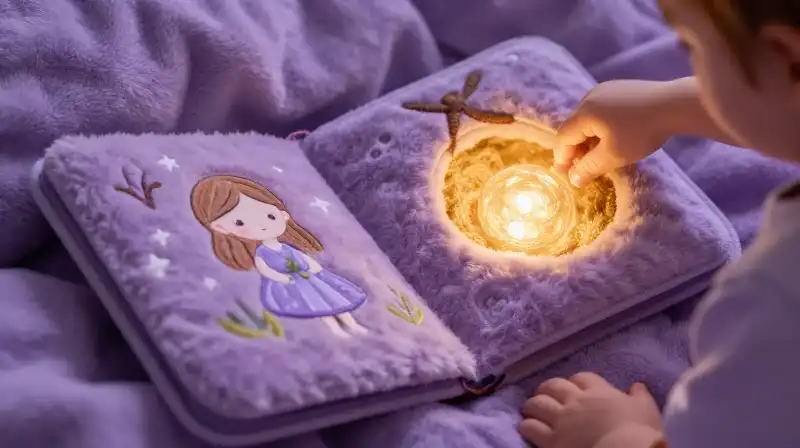
For the educator or parent, the most useful aspect of Usborne is not necessarily the political reading, but the *utility* of the stories. They are highly functional narrative tools. The sheer variety, from the detailed illustrations of the ‘Illustrated Grimm’s Fairy Tales’ to the interactive elements like those found in the Peep Inside range, provides layers of engagement.
Here is how you can utilize the breadth of Usborne’s offerings for different age groups and learning styles:
- For Pre-Readers (Ages 2-4): Choose the ‘Peep Inside’ titles. These tactile books are excellent for building curiosity and vocabulary. They turn the act of reading into a sensory discovery, which is crucial for the youngest learners.
- For Early Readers (Ages 5-7): Focus on tales that emphasize problem-solving and empathy (e.g., variations on *The Three Little Pigs* or *The Little Red Riding Hood* that explore the importance of careful observation, not just simple obedience). These tales provide a concrete framework for understanding character choices.
- For Deep Exploration (Ages 8+): Select the more complex retellings that lean into magical themes and ambiguous endings. These stories are ideal for sparking classroom discussions about fate, choice, and the nature of good and evil, prompting deeper reflection rather than just a simple recitation of events.
Navigating the Library: Finding Your Perfect Match
When seeking the ‘Best Usborne fairy tales,’ remember to look past the surface popularity. Consider the narrative function of the tale. Are you looking for a story about overcoming fear (a tale with strong, grounded heroes)? A story about the power of friendship (a creature guide)? Or a simple, soothing narrative of journeys (a bedtime selection)? The publisher’s design and technical strength [1] ensures that their library is highly curated, allowing you to pinpoint exactly what thematic ‘ingredient’ your child needs for a restful night or an inquisitive morning.
Reflections: The Enduring Power of a Thoughtful Tale
To conclude, the question of whether Usborne is “woke” misses the actual point of modern publishing. The more meaningful inquiry is whether these stories are *thoughtful*. Do they offer a space where a child can safely explore the complicated emotions of life, from the fear provoked by a looming shadow to the joy found in a new friend? The clear evidence suggests they do. By weaving together robust technological frameworks designed for a seamless reading journey [1] and a literary commitment to complexity and empathy, Usborne delivers more than just a collection of fairy tales. They provide a sophisticated, vibrant, and deeply resonant gateway into a richer understanding of ourselves and the magical worlds we create around us.
Sources
- 404 no encontrada… | Usborne | Libros para explorar el mundo — usborne.com
Frequently Asked Questions
Is Usborne Books woke?
The article suggests that asking if Usborne is 'woke' misses the deeper purpose of modern publishing. Instead of focusing on buzzwords, Usborne works to balance folkloric tradition with contemporary empathy, aiming for stories that are thoughtful and complex. The publisher focuses on character depth and inclusive worlds rather than merely checking a political box.
Related Articles