

The Three Little Pigs: A Moral Tale of Diligence and Planning

Introduction
The enduring power of “The Three Little Pigs” lies not in its charming depiction of fluffy swine, but in its razor-sharp moral core. It is a foundational tale that teaches children—and adults—the profound, quiet value of diligence. When a child listens to this classic narrative, they are not merely hearing a story about a big, scary wolf; they are absorbing an implicit lesson: that shortcuts are often not the best choice [1]. This tale, famously adapted from Flora Annie Steel’s English Fairy Tales (1922) and brought to life by L. Leslie Brooke’s classic illustrations [1], is far more than a repetitive sequence of huffs and puffs. It is a powerful, accessible blueprint for planning, patience, and the long-term rewards of effort.
The Anatomy of a Moral Lesson: Effort vs. Expediency
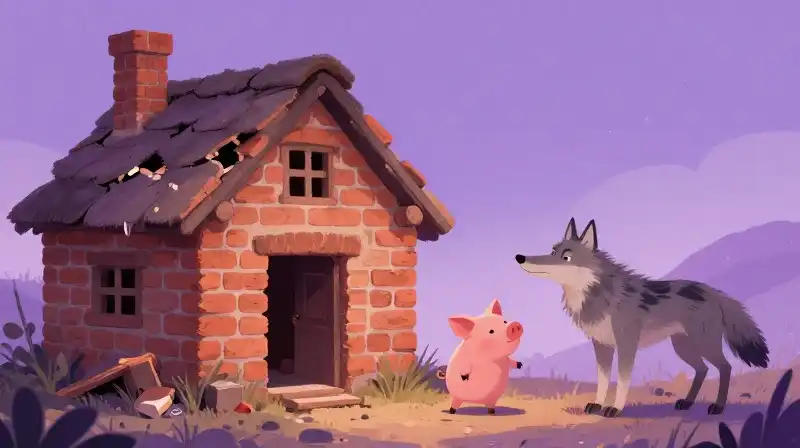 At its heart, the narrative serves as a direct instruction on the merits of hard work. The conflict between the wolf and the pigs is a clear allegory: the wolf represents raw, sudden power and aggressive force, while the pig who chooses brick represents careful foresight and disciplined effort. The plot structure is specifically designed to reinforce the idea that diligence pays off. The pig who invests the time and energy into a solid structure remains safe precisely when the wolf’s destructive power proves insufficient [1]. This tale provides an early, vivid framework for understanding that consistent, quality effort (the brick) will ultimately withstand impulsive, brute-force attempts to achieve a result (the quick, flimsy houses).
Material Symbolism: The Three Stages of Diligence
The three different houses in the story function as symbolic representations of various stages of commitment and planning. By analyzing the materials, parents and educators can find concrete discussion points about effort, vulnerability, and resilience.
Straw: The Impulsive Beginning
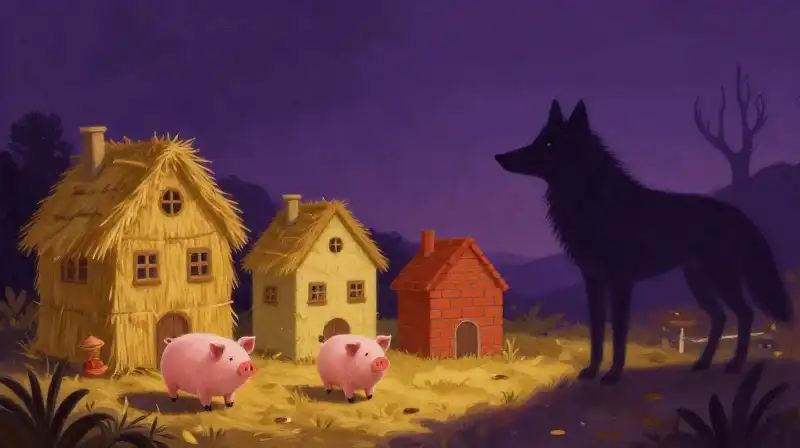
The first pig’s reliance on straw symbolizes the pursuit of the easiest, fastest solution. Straw is readily available and requires minimal effort. However, its inherent fragility means it offers no protection against significant challenges. This first attempt is a cautionary tale about superficial solutions; it is tempting, but unsustainable when faced with a threat that demands more than minimal effort [1].
Sticks: The Compromise
The second pig, using sticks, demonstrates a slight increase in foresight compared to the first, but still prioritizes speed over true security. While a measurable improvement over straw, sticks are still easily compromised by persistent, concentrated force. This stage teaches the necessity of moving beyond the merely functional toward the truly reliable.
Brick: The Commitment to Quality
The third pig, who chooses to build with bricks, embodies the virtue of careful planning. This investment of time is the key thematic element. The brick house is not just a shelter; it is a testament to sustained dedication. It withstand’s the “big bad” test, proving that a solid foundation, built with patience, is impervious to external threats [1].
The Wolf: A Study in Failed Raw Aggression
 To fully appreciate the pigs’ strategic success, we must analyze the antagonist: the Big Bad Wolf. The wolf does not operate with cunning or cleverness; his power is characterized by aggressive verbal threats and physical force. His most famous challenge, “Then I’ll huff and I’ll puff and I’ll blow your house down” [1], showcases an overwhelming reliance on volume and intimidation. The wolf’s persistent attempts to enter the brick house, despite his thunderous threats, highlight a critical theme: the limits of raw aggression. His immense physical power is ultimately rendered irrelevant when faced with careful preparation and a strong, well-planned structure. The wolf is a powerful symbol of brute force, which, when left unsupported by intelligence or strategic planning, is ultimately ineffective [1].
Pedagogical Application: Using the Tale at Bedtime and in the Classroom
This story is highly recommended for children aged 3–7, as it allows for concrete, easy-to-grasp discussions about the long-term benefits of “taking our time to do things right” [1].
Bedtime Strategy: The Lesson of the Safe Sleep
For bedtime, the story works beautifully as a lesson in security derived from effort. Instead of focusing on the scary parts, guide the child to the pig in the brick house. Talk about how his careful preparation makes him secure. This shifts the focus from the frightening wolf to the peaceful certainty of a well-prepared, safe home—a comforting metaphor for sleep and stability.
Classroom Strategy: Discussing Perseverance
In a classroom setting, the tale can facilitate deeper discussion on perseverance and the pitfalls of rushing. You can compare the three materials as if they were tasks:
- Straw (Quick Assignments): Things done in haste that fall apart quickly under stress.
- Sticks (Partial Efforts): Trying to do something when you know you need more work, but not committing fully.
- Brick (Mastery): The commitment required to complete a task thoroughly, ensuring the result is strong and lasting.
Addressing Common Questions About The Three Little Pigs
What is the main moral of The Three Little Pigs?
The primary moral is that diligent preparation and hard work yield reliable, lasting results, whereas shortcuts (like the straw and stick houses) inevitably collapse when tested by real-world challenges [1].
How did the pigs evade the wolf?
The pigs used a combination of quick thinking and decisive action. The first two pigs were outsmarted by their lack of preparedness. The third pig, through careful planning (the brick house) and tactical ingenuity (utilizing the blazing fire and a pot of boiling water at the chimney), successfully neutralized the wolf [1].
Conclusion: The Power of a Solid Structure
“The Three Little Pigs” transcends its status as a simple children’s tale. It functions as a timeless guide to maturity, teaching the subtle but vital difference between fleeting convenience and lasting security. By recognizing the symbolic weight of straw, sticks, and brick, and by understanding the nature of the wolf’s failed aggression, parents and educators gain a rich tool. This narrative reminds us that while external forces—the “huffs and puffs” of the world—will always test us, the most effective defense is always the quiet, persistent investment in doing things right the first time.
Sources
- The Three Little Pigs | Read the Full Story — americanliterature.com
Related Articles