Evil Pixies in Fairy Tales: How They Become Agents of Chaos

Introduction
In the classic tapestry of children’s literature, the pixie is often synonymous with playful magic—a creature of shimmering wings, mischievous laughter, and innocent light. They are the whimsical “fey” companions, flitting between garden borders and ancient ruins. But what happens when that innocent spark dims? What if the gentle, prank-loving spirit transforms into something far more intricate and unsettling? The journey from whimsical creature to malevolent agent of chaos is one of the most compelling arcs in narrative design, offering educators and parents a deep look into how small, persistent evil can become overwhelming.
The evil pixie is not merely a “bad fairy”; it is a highly specialized antagonist, a master of subtle dread, designed to chip away at the protagonist’s reality and composure. For the reader looking for stories with layers, these corrupted creatures offer a powerful study in transformation, revenge, and the devastating power of unchecked malice. We explore how these tiny, dark fiends evolve from playful mischief into destructive agents of total chaos.
The Anatomy of Corruption: From Fey to Fiend
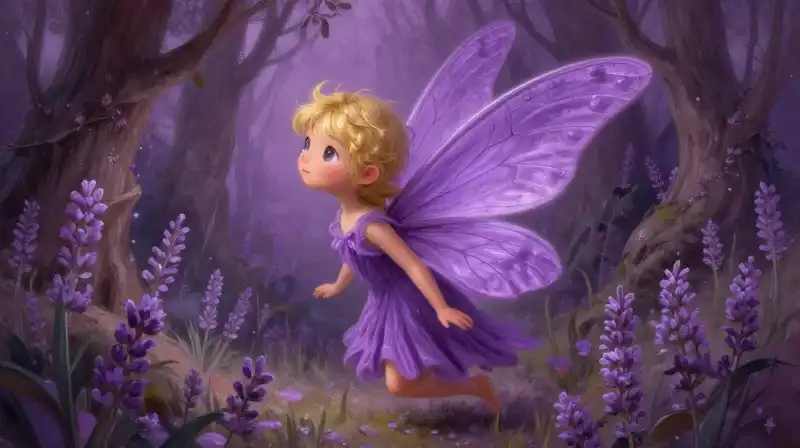
The transition from a cheerful, capricious sprite to a corrupted fiend is rarely sudden; it is a process of subtle, often external, decay. At their core, these creatures begin as innocent beings who are prone to playful mischief. However, they become the “evil pixies” we recognize when they acquire a profound sense of malice, which is often rooted in perceived injustice or external manipulation [1].
This shift is often catalyzed by the actions of other powerful, darker figures, such as hags. In many narratives, the hags do not simply kill pixies; they capture and systematically twist them [2]. This act of forced corruption fundamentally alters the pixie’s essence. The joyful, airy forms of the original fey are molded into malicious fiends, fundamentally changing their nature and driving their motivations toward destructive ends [2].
Visualizing the Transition
In storytelling, the transformation of an inner state is usually reflected in a dramatic physical change. For the corrupted pixie, this shift is often signaled through a dark metamorphosis. Their delicate features may undergo a dramatic darkening, with their hair, eyes, and clothing shifting from vibrant fey colors to deep black, signaling their transition to the darker side [1]. This visual language helps the young reader understand that the creature they once knew is fundamentally different, a reflection of the internal moral change.
The Behavioral Mechanics: Chaos as a Weapon
The malevolence of the evil pixie is not typically loud or brute-force; it is meticulously calculated, subtle, and deeply psychological. Their behavior follows a distinct pattern of escalation designed to generate sustained dread rather than a single, dramatic confrontation.
Initially, the pixie operates as a persistent “pest” [1]. They begin with minor, persistent acts of mischief—such as rearranging signs or moving belongings—which builds a sense of creeping unease over time. This low-level harassment gradually escalates into deeper, more sinister acts of psychological torment [1]. They are masters of stealth and deceit, employing magical abilities like superior invisibility to cause confusion and make the characters harm one another, sowing discord from within [2].
The Drive for Chaos
Unlike villains driven solely by greed or a desire for power, the corrupted pixie is defined by a singular devotion to destruction and chaos [2]. Their satisfaction is derived specifically from “destroy[ing] anything beautiful”—whether it is a meticulously tended garden, a priceless piece of art, or the very spirit of a handsome adventurer [2]. They take “special joy” in this destruction, making their motivation deeply personal and purely nihilistic.
In some corrupted narratives, this destructive impulse is tied to a sinister form of subservience. They may believe their creators—the powerful figures who corrupted them—are divine entities who introduced the world to “murder and other evil acts” [2]. This belief elevates their actions from simple mischief to an adherence to a twisted, dark cosmology.
Narrative Roles and Narrative Escalation
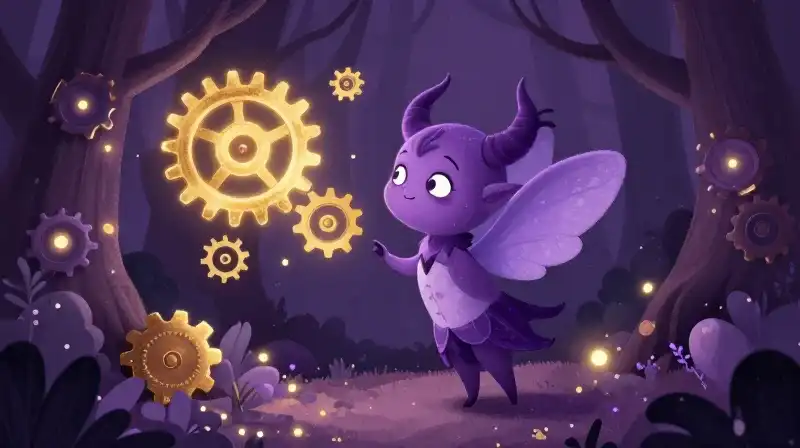
For educators and authors, the evil pixie is incredibly useful because it can serve multiple complex narrative functions, acting both as a subtle catalyst and a powerful agent of misfortune.
Subtle Catalyst vs. Physical Threat
One key strength of the evil pixie is that they often function as an agent of a greater evil. They might not be the primary threat, but they are empowered by a major villain (a BBEG) to create misery, such as orchestrating complex misfortunes like lost gear or unpredictable avalanches [1]. Because of their magical proficiency, they can also excel at “crowd control” and utilizing powerful magic, functioning as challenging tactical adversaries rather than simply direct fighters [1].
Within storybook archetypes, however, their most notable role is often not physical threat, but existential one. They are agents of sustained, irritating chaos designed to force the protagonist to “question their own reality” [2]. This is perhaps the deepest lesson a child can draw from the pixie: that danger is often quiet and insidious, not always cloaked in massive monsters.
Addressing the Question: Can Pixies Be Evil? (People Also Ask)
The short answer to whether pixies can be evil is a resounding yes, but the depth of the answer lies in understanding the mechanism of their corruption. In traditional folklore, the pixie is inherently benign or capricious. But as established through the documentation of corrupted counterparts, they are entirely capable of embodying chaotic evil [2].
The crucial difference between a “prankster pixie” and a “fiend pixie” is the pivot from harmless, transient mischief to calculated, intentional malice rooted in revenge or corrupted belief [1]. The story of the evil pixie is ultimately a story about the loss of innocence and the transformative power of external malice.
Finding Hope in the Shadows: Pixie Redemption
Even within the shadows of the corrupted pixie, there is often a narrative possibility for grace. While they may have devolved into fiends savoring violence, some narratives provide a path back. Certain corrupted pixies are shown to retain the potential for redemption [2]. Should they be captured and subjected to a specific, restorative process—such as the daily application of pixie dust for a period of ten days—they can be restored to their original, pure fey form [2]. This element introduces a powerful thematic lesson for young readers: that even the deepest corruption is not necessarily permanent, and that true restoration requires intervention and care.
The Lasting Lesson of the Evil Pixie
The evil pixie is a deceptively complex creature. They are miniature mirrors reflecting larger anxieties about insidious threat, the fragility of innocence, and the power of even the smallest injustice. They teach children that sometimes the most frightening forces are not the dragons or giants, but the persistent, quiet disruptions—the small, persistent “pests” that thrive in the unnoticed cracks of life. Whether you are using them to inspire a difficult scene in a story or to explore the concept of moral gray areas with a young learner, the corrupted pixie offers a vibrant, complex, and deeply engaging way to discuss the subtle nature of chaos and the resilience of light.
[1] 5E Need help with an evil Pixie ! : r/DMAcademy
[2] Corrupted Pixie – 5th Edition SRD
Sources
- [5E] Need help with an evil Pixie ! : r/DMAcademy — reddit.com
- Corrupted Pixie – 5th Edition SRD — 5esrd.com
Frequently Asked Questions
Can pixies be evil?
Yes, pixies can be evil, though traditional folklore typically portrays them as inherently benign or capricious. Corrupted counterparts demonstrate that they are entirely capable of embodying chaotic evil through the transition from playful mischief to intentional malice.
Related Articles