Meet the Two-Tailed Mermaid: Exploring Melusines Fairy Tales

Introduction
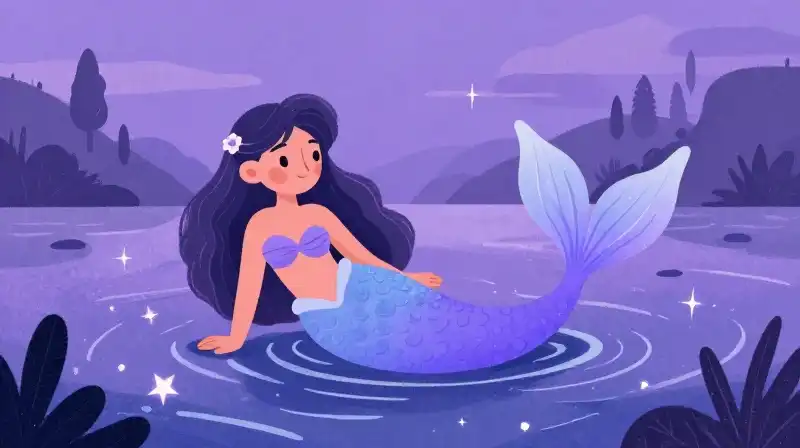
When we imagine the deep mysteries of legend, our minds often conjure images of graceful, flowing figures. Yet, within the rich tapestry of European folklore, a figure swims just beneath the most recognizable waves—the two-tailed mermaid. This creature, often called a Melusine, is far more complex than a mere shape of scale and fin. She is a figure woven from duality, a guardian of the river, and a potent symbol of forbidden knowledge and broken promises. If you find yourself tracing the lineage of fairy tales, curious about the strange myths that blend the aquatic and the terrestrial, or simply looking for a story with a deeper pulse, the Melusine is a treasure waiting to be discovered.
The Mythological Origin of the Two-Tails
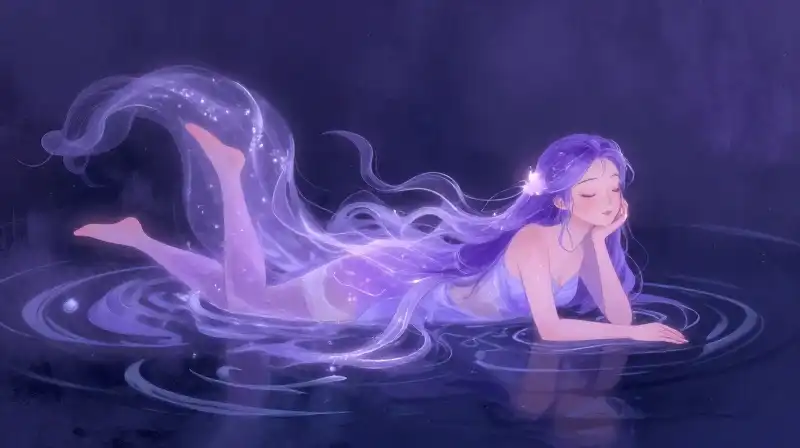 To properly understand the Melusine, we must first untangle a common modern confusion: the difference between a mermaid and a siren. While the terms are sometimes used interchangeably, they represent distinct beings in classical mythology. A traditional “mermaid” is generally a half-woman, half-fish creature [1]. Conversely, a classic “siren” was originally conceived as a half-woman, half-bird creature known for its seductive song [1]. Historically, people often believed that two-tailed creatures, like the gorgons, existed; these figures were frequently depicted as dangerous, seductive entities who used beautiful voices to lure sailors to their doom [3]. In modern Greek culture, this concept has shifted slightly: the two-tailed mermaid, known as a “grogona,” is now predominantly viewed as a malevolent figure tied to the theme of seduction, and she is found in traditional Cretan embroidery [3]. The most prominent modern misattribution of this creature actually involves a corporate logo: the Starbucks emblem. While many assume it depicts a traditional mermaid, it is officially intended to be a “Siren,” designed to link the creature’s enticing, seductive nature with the aroma of coffee [1, 3]. This shows how ancient, evocative symbols can be adopted and entirely recontextualized in the modern world.
Deep Dive: Melusine, The Serpent Spirit of European Waters
While sirens and gorgons offer a more seductive, deadly image, the Melusine offers something more introspective and liminal. She is a specific figure in European folklore described as a freshwater spirit or nymph [2, 3]. Her unique characteristic is often her lower half—which can be a serpent or fish—and the frequent depiction of her as having twin tails [2, 3]. In many traditions, Melusine is found in European heraldry, where her twin-tailed form represents potent themes of duality—such as the profound union of water and earth, or the delicate balance between body and soul, echoing ideas found in alchemical traditions [3].
The Cursed Maiden and the Broken Promise
The most enduring and famous iteration of Melusine’s tale was penned by Jean d’Arras. In this narrative, Melusine is a beautiful maiden who becomes cursed to take the form of a two-tailed serpent from the waist down every Saturday [2]. Her magic and her shapeshifting are governed by one strict condition: her husband, Raymondin, must never look at her during her magical transformation. The dramatic tension—and the moral—of the story rests on this single, sacred promise. When Raymondin breaks the condition by watching her in her bath, the enchantment is revealed [2]. This “prying husband” trope became a recurring, emphasized theme in European Melusine legends, symbolizing how the revelation of a hidden truth or an essential part of a person’s nature often occurs only through the violation of a sacred bond or the loss of privacy [2, 3].
Comparing Tales: Regional Variations of Melusine
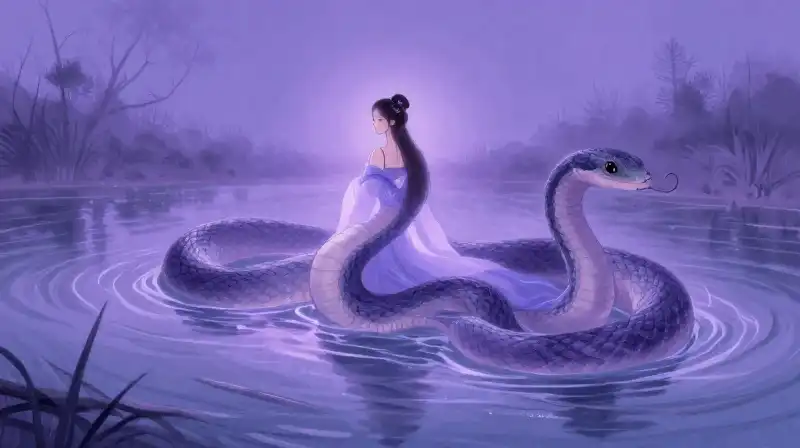 Melusine is not a static character; she adapts to the geography and cultural concerns of her story. While the central themes of duality and secrecy remain, the specifics shift dramatically depending on where the legend was told.
A Guide to Melusine Variations
| Location/Version | Primary Form/Identity | Core Theme | Action in the Tale |
|---|---|---|---|
| General European Folklore | Freshwater Spirit / Water Nymph | Duality (Body and Soul) | Guardians of rivers and holy wells [2, 3] |
| The D’Arras Tale | Maiden / Two-Tailed Serpent | Sacred Vows / Trust | Transformation is revealed by a husband breaking a condition [2] |
| Luxembourg Legend | Mermaid / Human / Serpent | Stasis / Protection | Trapped and sinks into rock, occasionally surfacing to hold a golden key [2] |
| Ancient Sirena Bicodula | Gorgon-like / Half-woman, half-bird | Malice / Deadly Seduction | Lures sailors to death using song [3] |
The River Guardian
Beyond the tragic, cursed figures, Melusine functions frequently as a “guardian spirit” within European myth [2, 3]. By appearing at rivers and holy wells, she often takes on the role of a water nymph protecting the source. This functional role, rather than the dramatic cursed maiden, allows the creature to be associated with stability and the ancient, cyclical power of nature.
Melusine in the Classroom and Bedtime: Symbolism and Themes
For parents and educators, Melusine offers a unique lens into complex themes that are surprisingly accessible to children, provided the story is told with the right sensitivity. Her tales are far from shallow; they require careful analysis of what they teach.
Lessons for Young Readers
* **The Beauty of the Hidden Self:** Melusine’s transformation speaks to the idea that people (or beings) possess layers that are beautiful or powerful, but that these depths must be respected. * **The Value of Trust and Boundaries:** The “prying husband” trope serves as an allegory for the importance of keeping private promises and respecting personal boundaries—a vital lesson for children. * **The Connection to Nature:** Since she is inextricably linked to freshwater sources, she teaches reverence for rivers, wells, and the hidden, life-giving power of nature.
Visualizing the Melusine
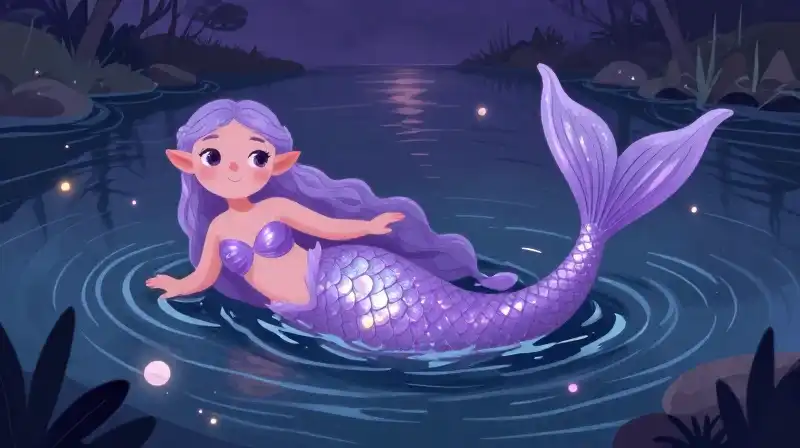
When illustrating Melusine, the visual palette should reflect her dual nature: the earthy and the aquatic. * **The Colors of Transformation:** The blend of deep, cool blues and greens (representing her watery half) must meet warmer, more neutral tones like moss green, slate gray, and rich brown (representing the earth and her concealed identity). * **Texture and Movement:** Her design should not be monolithic. Use textures that suggest both fluid movement (the shimmering scales or the flow of water) and the solid, transformative power (the serpent aspect).
Addressing Common Queries About the Two-Tailed Mermaid
Two Tailed Mermaid Symbol?
The two tails symbolize duality, the balance between opposites, or the merging of disparate elements—such as the confluence of water and land, or the meeting of physical form and hidden spirit [2, 3].
Two Tailed Mermaid Meaning?
Her primary meaning is linked to the intersection of the domestic and the supernatural. She represents the secrets that lie just beneath the surface of human life, governed by nature’s power and the rules of ancient oaths [2, 3].
Two Tailed Siren Name?
While a siren can be any name, if you are referring to the mythical sirens who were dangerous, the term *Sirena bicodula* refers to a creature historically believed to exist. For the specific, culturally rich European folklore figure, her name is Melusine [1, 2].
A Reflection on Magic Stories
The Melusine myth demonstrates that the deepest, most resonant children’s stories are not the ones with the most explosive action, but the ones that gently explore the nature of what is hidden. Whether she is a guardian of a deep river or a cursed figure locked in an eternal struggle with secrecy, Melusine serves as a powerful reminder that the most magical elements of our world are often the ones we choose not to look at. By studying her, we learn not just about mythology, but about the crucial human elements of promise, privacy, and the magnificent, complex self.
Sources
- A Mermaid with Two Tails?. Wrong. Starbucks famous logo is… | by Bailey | Shoot First | Medium — medium.com
- Wikipedia — en.wikipedia.org
- Two Tailed Mermaids — thebeastiary.org
Related Articles