
Beauty and the Beast: The Meaning Behind True Inner Beauty


Introduction
In storybook lands, the castle often stands as a magnificent fortress of stone, smelling of old magic and moss. But beyond the imposing drawbridge and the glittering spires, the truly magical elements of a tale are rarely found in the surface appearance of the characters. They reside in the quiet choices they make, the books they cherish, and the deep well of kindness they keep in their hearts. Beauty and the Beast, while beloved for its iconic imagery, is much more than a romance between a prince and a charming heroine. It is a profound meditation on inner worth, a powerful lesson in the distinction between outward perfection and internal goodness. For parents and story-lovers, understanding the layers of this beloved tale allows us to use its gentle lessons not just for a thrilling bedtime read, but as a tool to illuminate the complexities of human character in the everyday life of a child.
The Power of the Inner Self: Belle as a Compass of Empathy
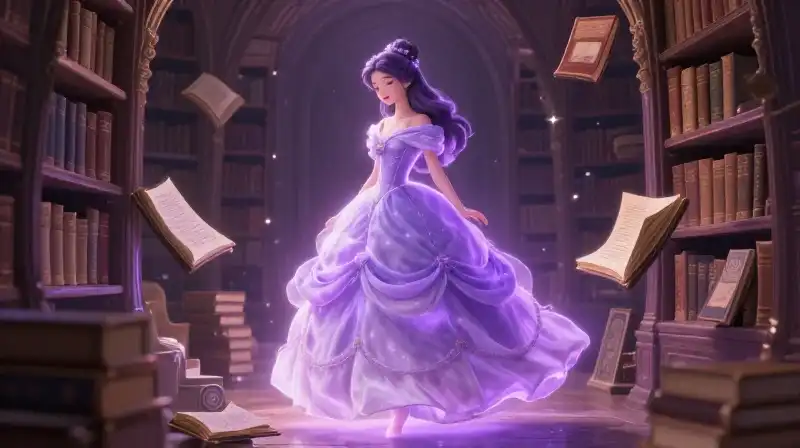
At the heart of the narrative lies Belle, a young woman whose worth far outweighs the superficial desires of her community. She serves as the vital counterpoint to the narrow-minded expectations of her village [1]. While characters like Gaston focus solely on a desired figure’s physical attractiveness and social standing, Belle values the intellectual and emotional riches of her world. Her passion for the stories in the castle’s library is not merely a hobby; it is a manifestation of her curiosity and her deep love for narratives that take her on “adventures she couldn’t get in her small town” [1, 2].
Belle’s defining characteristic is not her looks but her ability to feel for others, even when those others are monstrous. Her decision to willingly take her father’s place as a prisoner demonstrates a profound compassion and a willingness to sacrifice her freedom for the safety of her family after discovering Maurice locked in the dungeon [1, 2]. This selfless act is the first step in challenging the superficial judgment of the town, and it establishes her as a genuine agent of change rather than a passive recipient of enchantment.
The Beast’s Transformation: The Curse as a Lack of Love
The Beast himself offers a fascinating study in transformation and consequence. Originally depicted as a selfish prince, his transformation into a hideous creature is not a punishment for a specific crime, but a result of a profound lack of love in his heart [2]. This curse functions as a powerful motif in the story, demonstrating that exterior appearance is merely a reflection of what is contained within—and what is absent [2].
Initially, the Beast is defined by his isolation and bitterness, but his character arc is characterized by a gradual thawing. He shifts from a terrified prisoner to a figure who begins to recognize genuine kindness. As Belle’s empathy softens him, he begins to exhibit a gentle side, sharing the riches of his library and inviting her to join him at dinner [2]. This journey reminds us that change, particularly positive, is often initiated not by force, but by the gentle persistent force of acceptance. The story teaches that “goodness (Belle’s empathy) is the only force capable of enacting change upon hard problems” [1].
The Antagonist Archetype: Gaston vs. The Beast’s Defiance
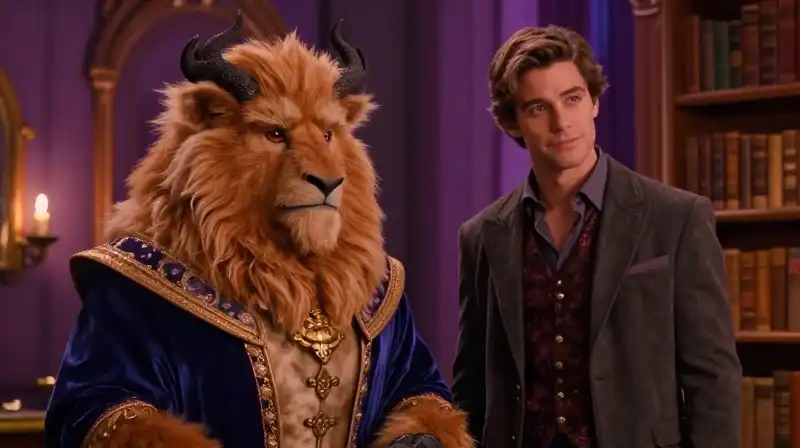
If the Beast represents the consequence of internal bitterness, Gaston embodies the danger of unchecked superficiality and societal pressure. Gaston functions as a classic storybook antagonist [2]. While his attempts to force marriage highlight the villagers’ preference for physical appearance, his driving force is the desire for a single, desirable figure [2].
The contrast between the two figures is crucial for moral understanding in children. Gaston operates on the surface—his physique, his wealth, and his popularity. The Beast, however, holds value in his domain: the intellectual landscape of his collection and his capacity for love. The Beast’s eventual lack of will to fight once separated from Belle or after Gaston stabs him shows that his identity had become fundamentally tied to her acceptance [2]. Gaston, by contrast, remains defined by his outward demands, incapable of seeing beyond the physical skin.
The Symbolism of Place: The Library, the Mirror, and the Enchanted Castle
The setting of the castle is a rich piece of worldbuilding, serving as a mirror to the emotional state of those within it. The castle is a place where the inhabitants are magical or enchanted objects—every clock, candlestick, and painting holds a secret until the curse is lifted [2]. This creates an environment that reflects the ongoing enchantment until true love is achieved [2].
Two specific symbols anchor the story’s deeper meanings:
- The Library and Books: The books Belle loves are physical manifestations of her expansive mind. They “took her on adventures she couldn’t get in her small town” [1, 2]. The library thus symbolizes intellect, imagination, and the richness of inner life—all qualities that the Beast, despite his outward appearance, is willing to share.
- The Enchanted Mirror: This magical device is more than a novelty; it serves a narrative function. It allows the Beast to peek into his surroundings and, critically, offers Belle a vision of her father, Maurice. This moment of recognition allows the Beast to grasp the necessity of releasing her from his captivity [2], proving the mirror is a catalyst for the Beast’s moral awakening.
Addressing Reader Questions: Bedtime Ritual and Activities
What’s a classic bedtime story? Beauty and the Beast is a timeless favorite for children because it blends danger and wonder. Its “classic” nature lies in its clean moral structure: a villain is not just defined by malice, but by a “lack of love in [their] heart” [2]. As a bedtime story, the themes of gentle growth, eventual reward, and the triumph of kindness provide a soothing resolution, helping children process complex feelings about change and appearance.
What are some fun Beauty and the Beast activities? To bring the magic into the classroom or living room, parents can focus on the core themes of the tale.
- Inner Beauty Reflection: Start by discussing what makes Belle unique—it’s her curiosity, not her beauty. Use prompts like, “What is one thing you are really good at that isn’t shiny or loud?”
- Enchanted Castle Craft: Since the castle is full of enchanted objects, children can create their own ‘enchanted item’ (like a painted teacup or a small object wrapped in a magical ribbon) and discuss how they might transform through love and care.
- Gown and Library Play: Use the library as a prompt for storytelling. Encourage children to pick a book and turn the setting of the story into a “mini-enchanted castle” to explore the world of imagination.
The Ultimate Magical Reward: Love as the Great Catalyst
The narrative’s ultimate reward—the breaking of the curse—is far more significant than a simple fairy tale ending. The curse, which trapped the Beast in his physical form and the castle in its enchanted silence, is undone solely by the realization and act of reciprocated love [1, 2]. It underscores the notion that genuine emotional connection possesses a power capable of dismantling deep-seated curses and transformations. The tale ends not just with a wedding, but with the restoration of human form and the liberation of all the enchanted objects, signifying that love purifies and restores all of life’s fragmented parts [1, 2].
Beauty and the Beast remains a vital story because it elevates the quiet, complex traits—curiosity, empathy, intellectual depth—into the highest virtues, proving that true power lies in what we feel and what we choose to see within others.
Sources
- Beauty and the Beast — readthetale.com
- Go ‘n Tell: Beauty and the Beast Bedtime Story for Kids — meetthegofamily.blogspot.com
Frequently Asked Questions
What are some fun Beauty and the Beast activities?
To bring the magic into a home, parents can engage children in 'Inner Beauty Reflection' by discussing non-physical traits like curiosity. Other suggested activities include creating an 'Enchanted Castle Craft' and using the library as a prompt for children to explore imaginative storytelling.
What's a classic bedtime story?
Beauty and the Beast is a classic because it blends danger and wonder with a clear moral structure, illustrating a villain's malice as a lack of love in their heart. As a bedtime story, it uses themes of gentle growth and the triumph of kindness to provide a soothing resolution.
Related Articles