
Beauty and the Beast: Why True Beauty Lies Within

Introduction
When we open the pages of a beloved fairy tale, we aren’t just looking at a list of plot points; we are stepping into a powerful meditation on the human heart. Among the most enduring and beloved of these lessons is the quiet, undeniable truth that true beauty does not reside in the surface of a cheek or the shimmer of a crown, but in the depths of the soul. The story of Beauty and the Beast is perhaps the definitive vessel for exploring this theme. It invites children, and the adults who read with them, to look past the daunting horns and velvet dresses and see the fragile, powerful transformation that is taking place inside.
This tale, in all its various adaptations, serves as a rich tapestry of symbols, character arcs, and deep moral lessons. It teaches that change—whether it’s breaking a curse or overcoming selfishness—is always possible when met with genuine kindness. By examining the role of the gentle reader, the complexities of the cursed prince, and the magic hidden within the walls of the Enchanted Castle, we can find meaningful ways to discuss compassion, courage, and the liberation of the human spirit with those we hold dear.
The Central Thesis: The Quiet Power of the Inner Life
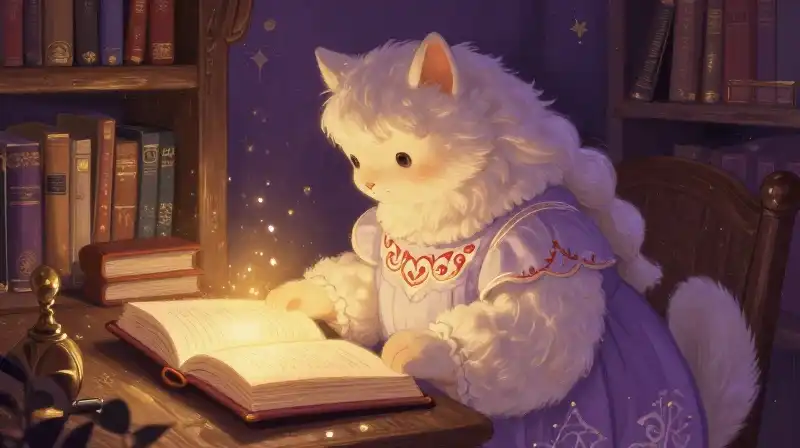
The core narrative of Beauty and the Beast is the systematic deconstruction of external appearances in favor of internal integrity [1, 2]. Belle, or Beauty, is consistently characterized as a soul who prioritizes intellectual engagement and genuine connection over the rigid expectations of social standing [1, 2, 3]. Her love for books and her gentle, patient nature allow her to look past the monstrous façade of the Beast. This immediate difference in focus establishes the primary conflict of the tale: the battle between superficial judgment and empathetic understanding.
The story is fundamentally about a redemption that must start from within. The Beast, for instance, is revealed not to be a purely primal monster, but a former prince who was cursed due to his overwhelming lack of love [2]. His transformation is therefore not just a physical one, but a profound journey from selfish arrogance to compassionate being, a process that can only begin when he is forced to confront the genuine goodness in another person [2].
Character Deep Dive: Belle, The Agent of Empathy
Belle stands as the epitome of the discerning reader, both of books and of people. Her defining characteristic is her ability to see potential in the overlooked and the perceived threat. Unlike many characters in stories who are driven by immediate attraction or fear, Belle is drawn to the narrative the Beast represents, or perhaps the quiet loneliness behind the fury [1, 2].
Throughout her time in the castle, the relationship between Belle and the Beast evolves dramatically. It moves from initial apprehension and the necessity of coexisting under duress to a deep, mutual respect fueled by shared experiences, specifically their companionship while Belle reads in his massive library [1, 2]. She doesn’t try to force him to be a prince; she simply offers him a space for honesty and genuine connection, providing the crucial element that the curse lacked: unconditional affection.
Gaston: The Voice of Societal Pressure
In modern retellings, characters like Gaston serve as vital narrative obstacles. He is rarely a simple villain; he represents the overwhelming, loud pressure of superficial societal standards. Gaston champions external validation—wealth, physical perfection, and social status—contrasting sharply with the internal, difficult change the Beast undergoes [2, 1]. His presence reminds the audience of the world outside the enchanted castle, a world that measures worth by visible achievements and outward perfection, highlighting exactly what the Beast and Belle must transcend.
The Beast: The Journey from Pride to Humanity
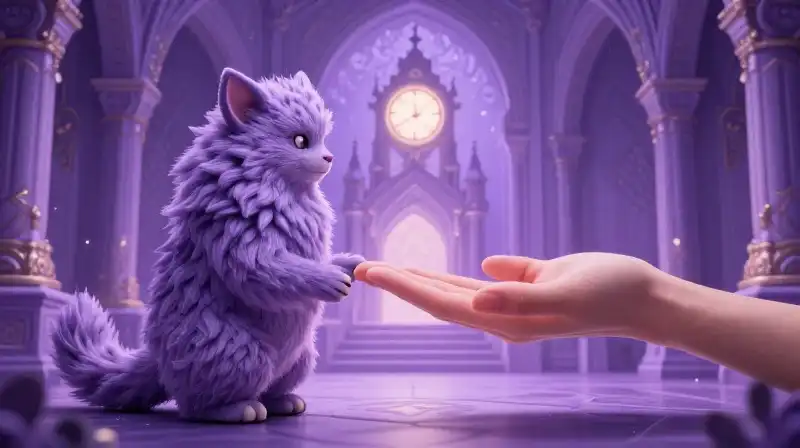
The Beast’s arc is one of perhaps the most satisfying transformations in children’s literature. He begins as a manifestation of wounded pride and selfishness. His cursed state is a visible symbol of his inner, unexamined emotional state—he looks frightening because he refused to learn how to care [2]. The castle itself, with its sentient furniture (the clock, the candelabra, the teapot) [2], acts as a mirror for his own rigid, frozen emotional life; until he learns to allow tenderness and vulnerability into his world, the magic remains “stuck.”
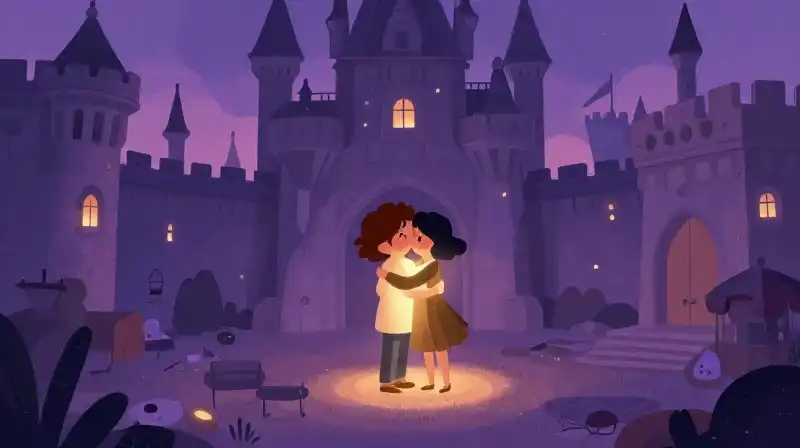
His growth is tangible. When Belle tends to his wounds after he saves her from the wolves [2], the dynamic shifts. The moment is crucial because it forces him out of his role as protector and into a role of being cared for, allowing him to experience vulnerability—a powerful catalyst for change. The ultimate breaking of the curse, whether it occurs through a kiss, the falling of the last petal, or the culmination of genuine love and kindness, signifies the complete freedom of his spirit and the liberation of the trapped magic within the setting [1, 2].
Varying the Magic: Tales for Different Ages
A subtle but important detail for readers and educators is that Beauty and the Beast is not a singular, monolithic story. Its interpretations vary wildly, offering different depths for different audiences. Understanding these variations helps us decide which version might best serve our bedtime routine or classroom discussion.
| Version/Source Focus | Nature of the Beast | Core Lesson Highlighted | Suitability |
|---|---|---|---|
| Modern/Classic ([2]) | A former, entitled prince who transformed into a beast because he lacked love. | Redemption through internal change; the power of empathy. | All Ages |
| Primal/Folk ([3]) | A monstrous, primal creature with tusks and horns, representing a deeper, scarier struggle. | Facing fear and finding comfort even in the monstrous. | Younger Readers (with parental guidance) |
| Thematic/Bedtime ([1]) | A visual representation of unfulfilled potential or inner ugliness. | The triumph of genuine connection over outward appearance. | Families, Educators |
The Castle as a Character
The Enchanted Castle is far more than a backdrop; it is an active participant, a living symbol of Belle’s journey. It is a place where magic governs the everyday, where the candelabra can talk and the objects themselves are sentient [2]. This setting teaches children a beautiful lesson about finding the magic in the mundane. The objects in the castle aren’t just decorations; they are witnesses and reflections. When the curse is broken, the liberation of these enchanted items symbolizes the freeing of trapped goodness and suppressed emotion within the heart, proving that even the most routine elements of life can hold profound magic once the “curse” of cynicism or pride is broken [1, 2].
Addressing Common Questions
What’s a classic bedtime story?
A classic bedtime story is one that operates on a foundational, deeply understood moral truth while allowing for rich visual imagery and comforting themes. Beauty and the Beast fits this perfectly because its themes—patience, the power of kindness, and transformation—are universally resonant. It doesn’t rely on loud, exciting action; instead, it builds a quiet emotional space where the hero’s internal growth is the greatest prize. This subtle, emotional weight makes it inherently calming for a child before sleep.
A Synthesis of the Lesson
Beauty and the Beast ultimately affirms that the world is full of complexities and hidden potentials. It is a narrative promise to the child, and to the parent, that even the most daunting problems—the seemingly permanent curses, the deep-seated insecurities, the outward “monsters”—can be addressed and resolved through the consistent application of love and kindness [1]. Belle’s success is not merely about “winning” the Beast; it is about recognizing the humanity trapped beneath the exterior. It is a powerful reminder that the true quest in life, for both the reader and the child, is not to change the world, but to change the way we see it. This is the most potent, and most enduring, magic of the story.
Sources
- Beauty and the Beast — readthetale.com
- Go ‘n Tell: Beauty and the Beast Bedtime Story for Kids — meetthegofamily.blogspot.com
- Beauty and the Beast — worldstoriesbank.org
Frequently Asked Questions
What's a classic bedtime story?
A classic bedtime story is one that operates on a foundational, deeply understood moral truth while allowing for rich visual imagery and comforting themes. Beauty and the Beast fits this definition because it avoids loud, exciting action in favor of building a quiet emotional space. This subtle, emotional weight makes the story inherently calming for a child before sleep.
Related Articles