
Frog Prince and Princess: The Symbolism of Transformation in Folklore

Introduction
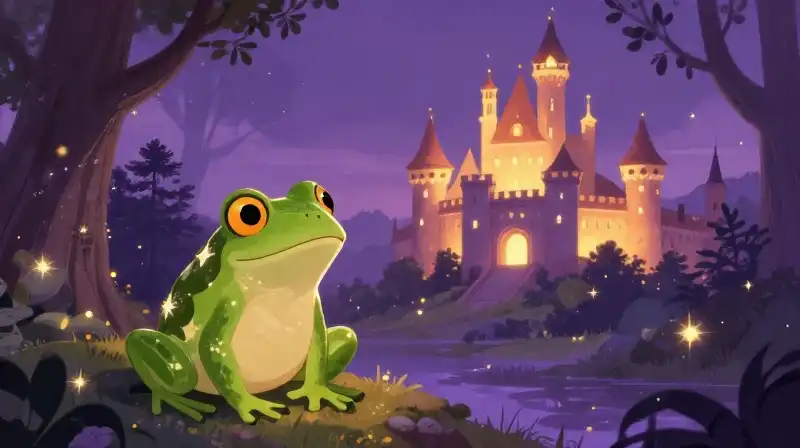
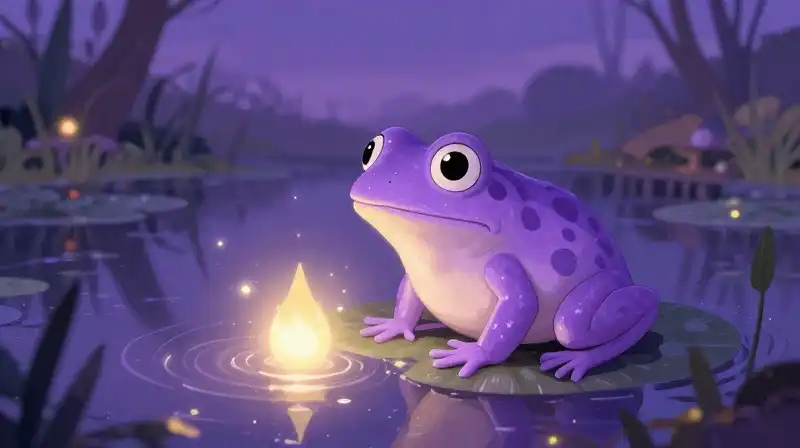
In the vast, shimmering tapestry of children’s folklore, few creatures evoke as much contrast—or as much curiosity—as the humble frog. Often dismissed as merely a quirky plot device or a comical hurdle, the figure of the frog fairy is, in truth, one of the most potent symbols of change, duty, and hidden wisdom in world mythology. Whether it is waiting patiently by a marsh or sulking beneath a stone, this amphibian acts as a bridge between the mundane world of human expectations and the deep, watery realms of the magical. For parents and educators navigating the rich, sometimes murky landscapes of classic tales, understanding why a frog might be tasked with being a prince or a princess is key to unlocking the true narrative power of these stories. The frog fairy is not just a creature; it is a catalyst for metamorphosis, and its various forms across cultures reveal deep truths about human growth and the nature of magic itself.
The Frog as a Cultural Crossroads
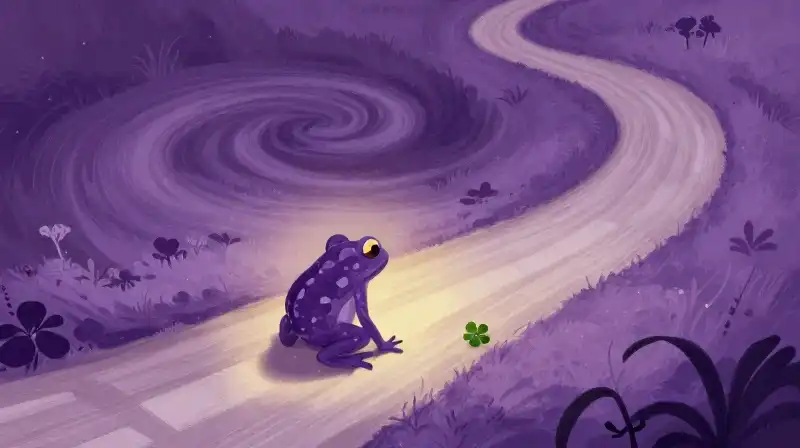
The concept of a magical frog is not a singular idea; rather, it is a fascinating intersection of different folklore traditions. Primarily, the frog appears in two very distinct and influential cultural forms: the Germanic “Frog Prince” and the Slavic “Frog Princess” [1, 3]. While both narratives revolve around a magical change—the amphibian transforming into a human—the thematic emphasis and the motivations of the characters shift dramatically depending on which side of the cultural divide the story falls. By looking closely at these two powerful variants, we can see how different cultures used the symbol of the frog to address complex ideas, from fulfilling a contract to cultivating deep personal skill.
The German Transformation: The Cursed Suitor
In the Germanic tradition, most famously preserved by the Brothers Grimm, the frog is typically introduced as a cursed suitor who must fulfill a specific promise [1]. The central conflict revolves around a required metamorphosis: the frog is intended to transform into a handsome prince, usually in response to the princess’ affection or action—whether through a romantic kiss or a specific ritual like sleeping on her pillow [1, 2].
The darker, original versions of these tales often contain startling violence, a scene where the Princess might commit a fit of rage, violently slamming the frog against the wall—a grim image that many modern adaptations have replaced with a gentle, romantic embrace [2]. Furthermore, the original German tales carry structural weight, often being catalogued as Aarne-Thompson type 440, which relates the motif of “The Animal Bride” [1]. This suggests the frog’s role is fundamentally tied to a binding agreement or a necessary contractual obligation, emphasizing adherence to a promise more than innate internal growth.
Russian Depth: The Wise Vasilisa
In contrast, the Slavic tradition, specifically the tale of “The Frog Princess,” focuses less on a binding contract and more on the demonstration of inherent, profound personal talent and wisdom. Here, the character is not a cursed suitor, but often a wise, resilient entity, like the sorceress Vasilisa the Wise [3]. The Russian story features Prince Ivan falling for a frog in a marsh who promises to marry him. This frog, however, transforms not into a mere prince, but into a powerful sorceress who consistently surpasses the skills of the wicked stepmothers in tasks like sewing, baking, and dancing [3].
This variation flips the power dynamic entirely. The frog here represents not a desperate longing to become human, but the hidden power and wisdom that can exist in a seemingly low, humble state. Moreover, in some complex narrative variants, the transformation is temporary and requires a deeper quest, such as the frog’s skin having to be thrown into fire to complete the change, thereby cementing the need for a true test of magical knowledge [3].
Unpacking the Symbolism: More Than Just a Prince
When we look beyond the plot mechanics, the frog becomes a powerful symbol capable of representing several interwoven themes. What is this humble amphibian truly representing for the child and the storyteller? The symbolism generally centers on three key areas:
- Metamorphosis and Evolution: This is the most overt symbolism. The frog, moving from water-borne eggs to a fully formed amphibian, perfectly mirrors the life cycle of change—moving from a state of being “lower” to a state of “higher” awareness or status [2]. This makes the frog a powerful allegory for personal evolution and growth.
- Fertility and Promise: In some contexts, the frog takes on a primal, earthy symbolism. One variant, akin to “Briar Rose,” uses the appearance of a frog in a queen’s bath to symbolize and promise pregnancy [2]. This connects the amphibian to the fertile earth and the beginning of life.
- The “Messenger from Another World”: Some folklorists suggest the frog’s potent association with magic stems from its reputation as a messenger between worlds, or even due to the legendary connection to potent, hallucination-inducing substances found in its skin [2]. This elevates the frog from a simple animal to a liminal figure—one who exists on the boundary of the real and the magical.
Addressing Reader Questions and Finding the Magic in the Tale

Many readers wonder about the practicalities of these magical creatures and themes. Here is how the symbolism translates into understanding the stories and the creature itself:
What is a fairy frog?
While “fairy frog” is not a formal mythological classification, it generally refers to the frog in these tales—a creature possessing magical qualities, such as the ability to transform into a human or possessing extraordinary wisdom. In the context of these stories, the “magic” is tied directly to the transformation and the duties required by that transformation. The frog is a vessel for the theme of potential—a small creature holding the promise of great change.
What does the distinction between the Prince and the Princess mean for the tale’s core message?
The difference in the frog’s ultimate outcome speaks to different moral lessons. The German “Frog Prince” often centers on the triumph of love over circumstance and the fulfillment of a contract—a lesson in duty and commitment. The Russian “Frog Princess” (or Vasilisa) focuses intensely on earned wisdom and internal competence—a lesson in skill, self-reliance, and the quiet power that comes from mastering one’s craft, regardless of one’s initial appearance.
Synthesis: Why the Frog Matters for Children’s Storytelling
The frog fairy is far more than a colorful character; it is a profound teaching tool, disguised as a whimsical plot device. Whether we look at the cynical, high-stakes promises of the Grimms or the quiet, profound self-mastery of the Slavic tales, the frog serves as a powerful reminder that transformation is possible, even from the most unexpected starting points. For the child, the frog represents the journey itself: the difficult transition from one state to the next. By engaging with these tales, children learn that change is often conditional—requiring a kiss, a promise, or a tremendous display of skill—and that even the humblest creature holds a deep, untold power within.
By recognizing the frog as a symbol of potential and change, stories move beyond simple romance. They become nuanced explorations of human potential, reminding us that magic is often not about sudden, dramatic power, but about the quiet, persistent effort of evolution.
Sources
- The Frog Prince — en.wikipedia.org
- Frogs in Fairy Tales — cathrinhagey.com
- Frog Princess Russian Fairy Tale — russianamericancompany.com
Frequently Asked Questions
What is a fairy frog?
While 'fairy frog' is not a formal mythological classification, it generally refers to the magical frog found in these tales, possessing qualities such as the ability to transform into a human or extraordinary wisdom. In the context of these stories, the frog acts as a vessel for the theme of potential. It represents a small creature that holds the promise of great change.
Is The Frog Princess a Russian fairytale?
Yes, the article identifies 'The Frog Princess' as a part of the Slavic tradition. This variation focuses on the demonstration of inherent, profound personal talent and wisdom rather than a simple binding contract. The tale serves as an illustration of the cultural use of the frog symbol within Slavic folklore.
What is a frog princess?
The Frog Princess is a figure from the Slavic tradition, often represented as a wise and resilient entity, such as Vasilisa the Wise. Unlike the cursed suitor in German tales, this character is a powerful sorceress who transforms. She demonstrates skill by consistently surpassing other characters in tasks like sewing, baking, and dancing.
Related Articles