The Golden Goose: Symbol of Unexpected Wealth in Fairy Tales

Introduction
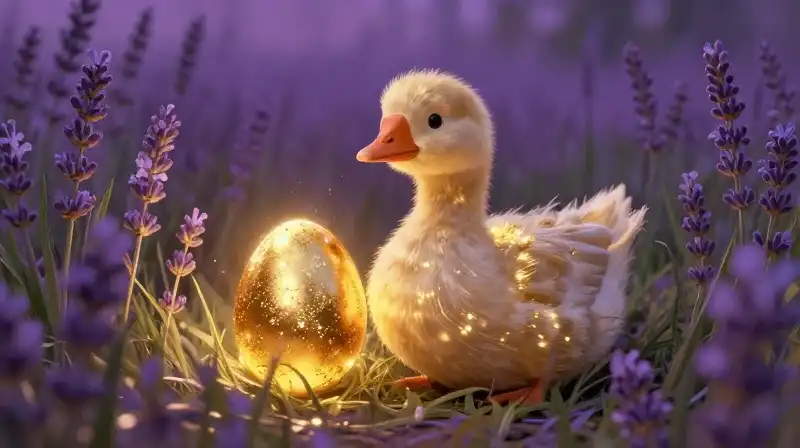
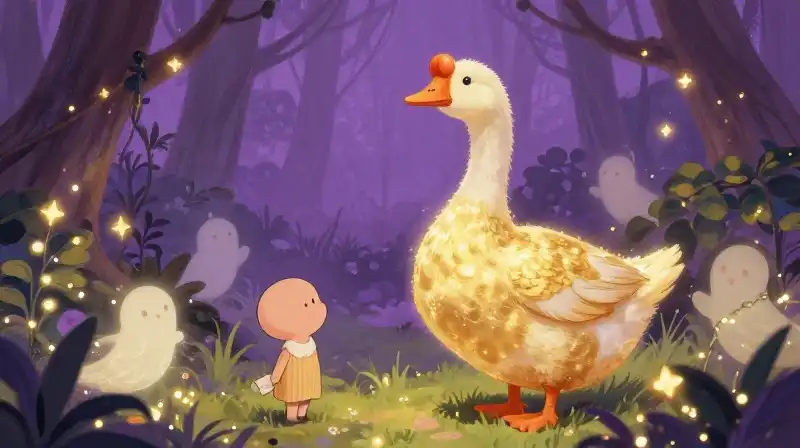
In the dusty, leather-bound pages of classic folklore, few symbols sparkle quite as brilliantly as the golden goose. This isn’t merely a bird that lays shiny eggs; it is a potent, shimmering icon of sudden, transformative fortune. But what exactly does it mean when the mundane encounters the marvelous? For parents and storytellers seeking more than just a simple plot, the golden goose invites a deeper inquiry into themes of kindness, luck, and the nature of prosperity. Is a windfall a pure blessing, or is it a complicated, sometimes sticky, entanglement of magic and circumstance?
The Goose as a Catalyst for Change
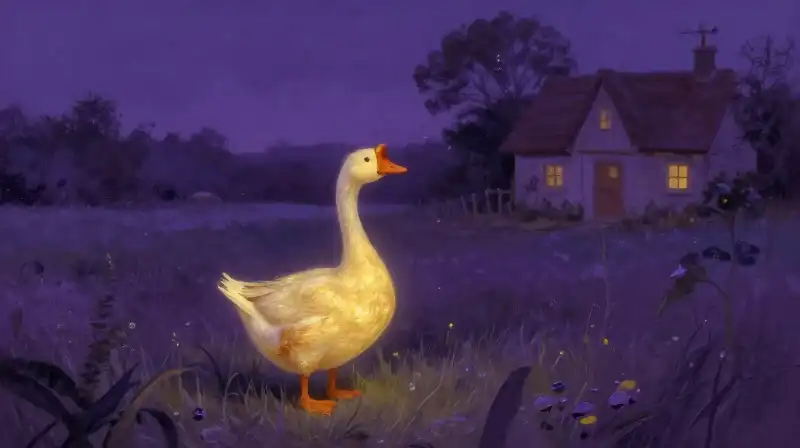
Across different folklore traditions, the golden goose functions as the ultimate narrative catalyst. It is rarely the starting point of a life; instead, it arrives after an act—a stroke of humility, a moment of genuine charity, or a lucky encounter with a mysterious helper in the wild. This appearance of immense, unexpected fortune marks the moment a protagonist shifts from obscurity to a life of significance.
From Simpleton to Consort
In the beloved version collected by the Brothers Grimm, the tale of “The Golden Goose” follows a protagonist—often referred to as a Simpleton or Dullard—whose humble nature has traditionally led to societal scorn. The discovery of the bird’s “pure gold” feathers represents a literal and metaphorical transformation, elevating the Simpleton from a life of poverty to the status of a king’s consort [1].
This magical windfall does not grant immediate peace, however. The ascent is not automatic; it requires the Simpleton to pass an increasingly absurd and rigorous series of tests imposed by the king. These feats often escalate dramatically, requiring him to consume a vast amount of wine from a whole cellar, eat a mountain of bread, or secure a ship that can sail both on land and in water [1]. The goose’s presence, therefore, demands a corresponding growth in the protagonist’s capability, transforming an individual marked by lack into one marked by ability.
Comparing Versions: Purity vs. Proliferation
While the Brothers Grimm version focuses on the inherent purity and divine quality of the gold, the narrative structure presented in satirical interpretations offers a wonderfully complex, and far more humorous, alternative look at magical abundance. The “Fractured Fairy Tale” approach uses the goose not just as a symbol, but as a physical agent of chaos [2].
A Table of Tales: Two Meanings of Gold
| Feature | Grimm’s Version ([1]) | Fractured Fairy Tale ([2]) |
|---|---|---|
| Core Symbol | Physical purity and spiritual ascent (feathers of pure gold) [1]. | Immense, physical, and often messy wealth [2]. |
| Mechanism of Magic | Transformation and reward for kindness [1]. | Physical stickiness and adhesive power [2]. |
| Consequence | Transformation into a king’s consort [1]. | A “sticky situation” of many stuck individuals [2]. |
| Ultimate Outcome | A hopeful, if tested, rise to royal status [1]. | Miserable domestic life where the “golden” reward leads to dissatisfaction [2]. |
The shift in emphasis is crucial. In the classic Grimm tale, the magic is fundamentally generative and benevolent, rewarding a virtuous heart. In the satirical reading, the magic becomes burdensome and ultimately “sticky”—in a literal sense, and a metaphorical sense. The cumulative influence of the goose is humorously demonstrated by the parade of characters—including a parson, sexton, and peasants—who become increasingly “hung” one after the other [1].
Thematic Deep Dive: Wit, Luck, and Manipulation
The journey of the Simpleton/Dullard in these tales speaks to a powerful theme: that societal scorn often blinds us to true inner value. The core archetype is of the individual who achieves greatness despite being initially dismissed by his peers. The Simpleton is lauded for his generosity, while the Dullard’s success is framed by his unintentional, comical luck [1, 2].
But this narrative thread also invites a nuanced look at the “magical helper.” Often introduced as a benevolent figure—like the little grey man in the woods—this figure functions as a literary device to introduce the supernatural. However, the golden goose proves that even seemingly benevolent forces can set up complex or chaotic circumstances, suggesting that great fortune can be rooted in kindness, or potentially in highly sophisticated manipulation [1, 2].
Where Does the Treasure Come From? Clearing the Way
A striking pattern emerges in the origin of the treasure itself. Whether the golden object is found buried at the stump of a felled tree or is the result of a simple task assigned to the dullard, the folklore suggests that great treasures do not appear out of thin air. They emerge from a process of clearing the way for change [1, 2]. It is a metaphorical “clearing” of the old life that allows the golden chance to shine.
Answering the Question: What Fairy Tale is The Golden Goose From?
The most recognized and widely referenced story featuring the golden goose is the fairy tale collected and preserved by the Brothers Grimm [1]. While variants exist, the version featuring the Simpleton, the tests of the king, and the feather-gold goose is the foundational text of the archetype [1]. The narrative has since inspired countless adaptations, from classic storybook illustrations to satirical modern retellings [2].
Parent’s Guide: Using Golden Goose Stories at Bedtime or in the Classroom
For educators and parents, the Golden Goose offers a wealth of themes beyond simple wealth. It provides concrete opportunities to discuss:
- The Value of Character vs. Status: Use the Simpleton’s journey to discuss how kindness and generosity are often undervalued in society, helping children understand that inner qualities matter more than outward appearance [1].
- The Nature of Change: Discuss the transition from the “before” (poverty, simplicity, being ignored) to the “after” (wealth, royalty, status). This is a perfect opportunity to talk about growth and transformation [1, 2].
- Humor and Satire (For older children): The “sticky” nature of the golden goose provides a funny, non-threatening way to introduce the concept of magical overload—too much of a good thing can sometimes lead to chaos!
Symbolism at a Glance: What Does Gold Evoke?
Beyond being a valuable commodity, gold in this context carries heavy symbolic weight. It is not just money; it is life-altering luck. When analyzing the tale, remember that gold evokes:
- Unforeseen Opportunity: The goose appears when least expected, reminding us that opportunity can arise from the most mundane places [1].
- Integrity and Truth: In the Grimm version, the feathers are pure, linking the material wealth to an underlying moral truth [1].
- Complexity: The stark contrast between the Simpleton’s rise and the “sourpuss” princess in the satirical tale shows that the promise of gold can sometimes mask a difficult, unhappy reality [2].
The golden goose is, at its heart, a magnificent mirror reflecting humanity’s deep-seated desires for sudden prosperity, and its surprising reminder that the deepest fortunes are often found not in the feather itself, but in the humility with which one receives it.
Sources
- The golden goose — grimmstories.com
- Fractured Fairy Tale: The Golden Goose. — brownielocks.com
Frequently Asked Questions
What fairytale is The Golden Goose from?
The most recognized version of the tale is a fairy tale collected and preserved by the Brothers Grimm. This foundational text features a Simpleton, tests imposed by the king, and a feather-gold goose.
Related Articles