
What makes the Dragon in Saint George tales so fearsome
The Saint George and the Dragon story is a cornerstone of European folklore, a vibrant tale resonating through centuries. At its heart lies a truly terrifying villain: the dragon. More than just a fire-breathing beast, the dragon represents a complex and multifaceted threat, weaving together fear of the unknown, societal anxieties, and the power of destructive forces. Understanding what makes this creature so compellingly frightening requires examining its symbolism, its impact on the narrative, and the specific characteristics that set it apart from other monstrous figures in folklore.
1105 words
|
6 minutes
What are the best humor styles for different age groups
Humor, that universal language of joy and connection, isn’t a one-size-fits-all affair. What tickles the fancy of a toddler will likely fall flat with a teenager, and what a senior citizen finds hilarious may baffle a young adult. Understanding these nuanced differences is particularly crucial when crafting and sharing Cuentos – traditional folk tales – as a tool for education, entertainment, and cultural preservation. The effectiveness of a Cuento isn’t solely determined by its narrative; it’s heavily influenced by the type of humor woven within and how well it resonates with the intended audience.
1100 words
|
6 minutes
Which legends feature rivers as portals in kids' stories
Rivers hold a special place in folklore around the world. More than just sources of water, they often symbolize transitions, journeys, and the unknown. This is especially true in children’s stories, where rivers frequently morph into magical portals, connecting worlds, spirits, and the realms of imagination. They represent more than just a physical boundary; they act as thresholds, inviting characters to step into a different reality entirely.
1054 words
|
5 minutes
What dream elements make bedtime stories more memorable
Bedtime stories have been a cornerstone of childhood for generations, serving as a bridge between the waking world and the quiet stillness of sleep. They’re more than just entertainment; they’re a powerful tool for building language skills, fostering imagination, and creating cherished memories. But what separates a forgettable narrative from a tale that lingers in a child’s mind, becoming a recurring motif in their dreams? It’s not simply the plot, but the careful weaving of specific dream-like elements that truly resonate.
1182 words
|
6 minutes
How do invisibility cloaks feature in enchanting fairy tales for bedtime
For generations, bedtime stories, particularly those rooted in the rich tradition of Cuentos (Spanish for “tales” or “stories”), have woven a tapestry of wonder and imagination for children. These narratives, often passed down through oral tradition and reflecting the cultural heritage of Spanish-speaking countries, frequently explore themes of bravery, kindness, and, remarkably, the possibility of the impossible. Within this realm of fantasy, the concept of invisibility takes on a unique and captivating presence, manifesting not as futuristic technology, but as magical gifts, curses, or the ability granted by mystical creatures.
1092 words
|
5 minutes
What rituals do characters perform in forests in bedtime fables
Bedtime fables, those comforting tales told to lull children to sleep, frequently utilize the forest as a setting of profound significance. More than just a backdrop, the forest in these narratives often embodies the unknown, a place of both danger and wonder, representing childhood’s exploration of the world and the inevitable encounters with challenges. The recurring presence of forests highlights a timeless human connection to nature and its inherent mysteries, a connection deeply ingrained in storytelling traditions.
1171 words
|
6 minutes
What colors are commonly used in mermaid illustrations for bedtime stories
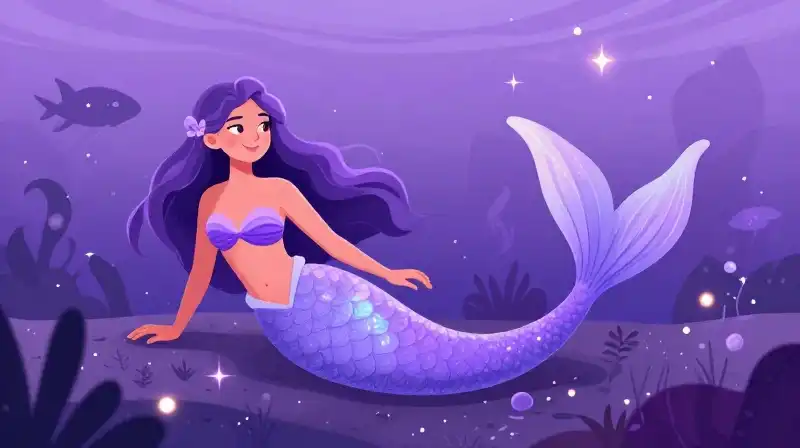
Bedtime stories have a unique power to transport children to fantastical worlds, filled with magic, wonder, and of course, enchanting creatures. Among the most beloved of these are mermaids – mythical beings that embody grace, beauty, and a connection to the ocean’s mystery. Their depictions in illustrations, especially for younger audiences, rely heavily on a carefully chosen color palette that contributes to the overall mood and storytelling. Understanding these colors isn’t just about aesthetics; it’s about understanding how illustrators communicate feelings of calm, excitement, and enchantment.
1141 words
|
6 minutes
Why is the Wicked Stepmother in Snow White so cruel
The tale of Snow White, a cornerstone of global folklore and a staple of children’s stories, is undeniably captivating. At its heart lies a simple narrative: a beautiful young woman persecuted by her jealous stepmother, finding refuge and eventual happiness with the help of seven dwarfs and a charming prince. While the story celebrates kindness, bravery, and love, it’s the villain, the Wicked Stepmother, who often sparks the most profound and enduring questions. Why is she so relentlessly cruel? Is she simply a stock character embodying generic evil, or does her malice stem from deeper, more complex motivations?
1148 words
|
6 minutes