
Modern Fairytales: Exploring Survival in Deliciously Dark Stories

Introduction
When we think of fairy tales, we often picture gentle tapestries, glittering castles, and definitive endings. But what happens when those timeless structures are placed in a world defined by rot, danger, and profound moral complexity? In modern retellings, the classic tropes are frequently used to explore much darker, more resonant themes—themes of resilience, systemic failure, and profound personal agency. The series *Deliciously Dark Fairytales* does exactly this, taking familiar stories and placing them into landscapes of high stakes, where survival is not granted, but fought for. These are stories that move beyond simple good-versus-evil, asking readers to consider how individuals navigate environments fractured by chaos, plague, and tyrannical power [1].
The Power of the Prepared: Agency in Beauty & the Beast
 The classic tale of *Beauty and the Beast* has long focused on the transformative power of love. However, the reimagined world of Finley offers a strikingly different lens, centering instead on the grit required to survive in a corrupted kingdom. Finley’s world is not one of gentle melancholy; it is a realm plagued by doom, having fallen under the rule of a demon king who has transformed the vibrant kingdom into a place of despair [1]. In this narrative, survival is not a passive state; it is an active discipline. Finley demonstrates a potent form of proactive agency. Rather than merely waiting for a rescue, she takes charge of her community’s well-being by leveraging her knowledge of the natural world. She maintains her family’s health by mixing sophisticated healing remedies, relying on research, experimentation, and the bounty of native plants [1]. Her efforts to keep her village alive are a quiet, constant act of resistance against the overwhelming darkness of the fallen kingdom [1]. Finley’s journey is thus framed by intellectual and resourceful survival. She is not a damsel waiting for a prince; she is a researcher, a healer, and a vital pillar of her community. The Beast himself functions less as a passive figure awaiting transformation and more as a formidable, enigmatic catalyst. His presence piques Finley’s interest and draws her into the mystery of the corrupted land, representing both the danger and the promise of change within the darkness [1].
Understanding the “Dark” in Dark Fairytales
When these stories are classified as “Erotic, Paranormal Fantasy Romance” with a high “Sizzle Rating” [1], the language may suggest themes of pure sensation. However, for educators and story lovers, the underlying *darkness* refers less to explicit content and more to the pervasive atmosphere of danger and the high emotional stakes. The darkness is the setting—a place where threats are systemic, the world is broken, and resources are scarce [1].
Resistance Against the Tide: Systemic Conflict in Red Riding Hood
The transformation of classic folklore is perhaps most vividly seen in the *Red Riding Hood* retelling, where the focus shifts entirely from a solitary wolf to a sweeping, systemic crisis. The traditional conflict is often individual—a predator threatening a child. In this modern iteration, the antagonist is an epidemic, a drug crisis that ripples through the landscape, creating profound societal danger [1]. This is not merely a story about one bad actor; it is a quest for the source of the infection. The Dragon King is introduced not as a medieval monster, but as a figure of judgment and justice who vows to stop the epidemic [1]. The high-stakes conflict is external and communal, forcing the protagonist into a journey of discovery to find the source and the maker of the pervasive poison [1].
The Complexity of the Protagonist
The brilliance of this retelling lies in its character complexity. The protagonist of the *Red Riding Hood* tale possesses a defining secret: she is tied to a “true mate” who is integral to the drug making and for whom she is meant to be judged [1]. This internal complexity elevates the narrative beyond a simple cautionary tale. She is caught between her destiny, her hidden involvement in the crisis, and the immense need for external justice. The story demands that the reader confront the difficult question: how does one find justice when the threat is woven into the very fabric of society and the protagonist’s own destiny?
Comparing Modern and Traditional Landscapes
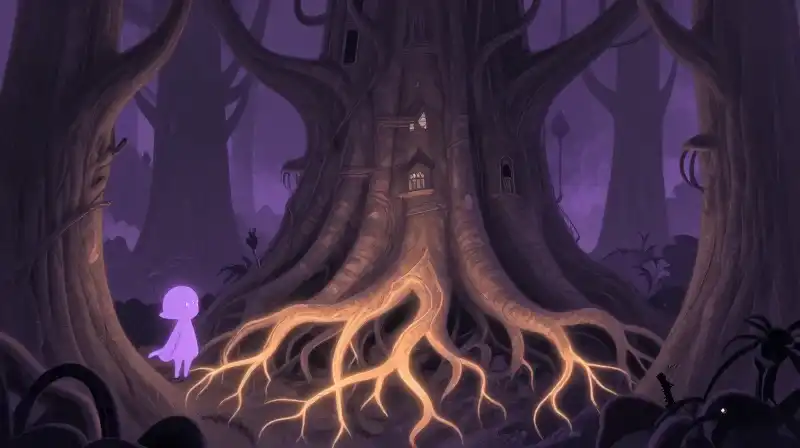 The differences between these dark, modern retellings and their traditional counterparts highlight a crucial shift in how stories address challenges.
| Feature | Traditional Fairytale | Deliciously Dark Fairytales (Modern) |
|---|---|---|
| The Primary Conflict | Individual evil (the villain, the wolf, the Wicked Queen) | Systemic crisis (epidemics, cursed kingdoms, entrenched corruption) [1] |
| The Role of the Hero | Passive recipient of fate or rescue | Proactive agent of change (Finley’s healing, the quest for justice) [1] |
| The Antagonist’s Function | To be defeated by virtue or love | To be an enigmatic catalyst or a figure bound by dark rules [1] |
| The Narrative Focus | Triumph and gentle resolution | Resistance, moral accountability, and difficult growth [1] |
Beyond the Shadows: Practical Storytelling and Themes
When engaging with these intense, complex narratives, parents and educators often wonder about the emotional impact and the true lessons for young audiences.
Navigating the Tone: Suitable for All Ages?
Because these are “Deliciously Dark,” they require a sophisticated level of understanding. While the themes of resilience and fighting injustice are deeply powerful, the elements of doom, epidemic, and “deliciously dark” high-stakes conflict [1] mean they are best suited for older children and young adults capable of grasping the complexity of systemic issues and existential threat. They encourage discussions about resourcefulness, community support, and moral choices rather than simply the danger of bad characters.
Answering Common Questions About the Series
Many readers and aspiring storytellers seek clarity on the scope and experience of the series.
- Is Deliciously Dark Fairytales spicy? The series is noted for its high “Sizzle Rating” [1], meaning it incorporates intense, high-stakes romance and dramatic tension, which makes it mature content. The focus of the series, however, is often on deep emotional and thematic conflict, making it a rich source for discussion about inner strength and societal struggle, not just sensationalism.
- How many books are there in the Deliciously Dark Fairytales series? The series is ongoing, with multiple retellings including *A Ruin of Roses*, *A Throne of Ruin*, and *A Kingdom of Ruin* [Competitor Snippets]. The range of published works offers a wide spectrum of “modern fairytales” for exploration, allowing readers to find books that suit their level of comfort with dark fantasy.
A Synthesis of Resilience
What makes the *Deliciously Dark Fairytales* collections so remarkable is their refusal to offer easy answers. By transplanting characters like Finley and the protagonists of *Red Riding Hood* into worlds where the foundations are crumbling, the authors force the reader to examine survival as an active choice rather than a passive act of waiting for a hero. These stories are not just captivating blends of classic structure and contemporary paranormal themes [1]; they are vital for teaching children that true strength is often found not in overcoming the darkness with simple love, but in understanding the world’s broken systems, preparing for hardship, and possessing the agency to resist it, even when the surrounding kingdom is in ruins.
Sources
- Deliciously Dark Fairytales - Beauty & the Beast — kfbreene.com
Frequently Asked Questions
Is Deliciously Dark Fairytales spicy?
The series is noted for its high "Sizzle Rating," meaning it incorporates intense, high-stakes romance and dramatic tension, which makes it mature content. However, the series often focuses on deep emotional and thematic conflict. This structure makes it a rich source for discussion about inner strength and societal struggle rather than just sensationalism.
How many books are there in the Deliciously Dark Fairytales series?
The Deliciously Dark Fairytales series is ongoing, and it includes multiple retellings such as *A Ruin of Roses*, *A Throne of Ruin*, and *A Kingdom of Ruin*. The available range of published works offers a wide spectrum of modern fairytales for exploration, allowing readers to find titles that suit their comfort level.
Related Articles