
Thumbelina: What Does This Tiny Fairy Tale Symbolize?

Introduction
The world of children’s stories is populated by characters who are more than just figures in a narrative; they are miniature mirrors of our deepest hopes and fears. Thumbelina, the diminutive protagonist in Hans Christian Andersen’s classic, is one such reflection. We often remember her as a tiny girl emerging from a grain of barley [3], but who is she truly? Beyond the charming visual of a fairy-sized soul, Thumbelina is a powerful symbol of delicate defiance. This tale, originally published in 1835 [4], uses the grand metaphors of nature—from the safety of a walnut shell to the vast expanse of a sunny meadow—to explore profound themes of identity, belonging, and the courage required to stay true to one’s own heart.
What Does Thumbelina Symbolize?
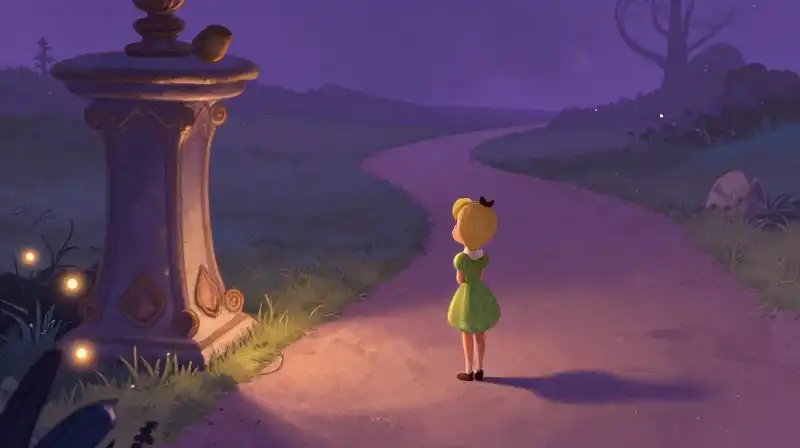 The most essential meaning of the Thumbelina fairy tale is the journey toward genuine self-discovery, far from the clutches of social obligation. At its core, the story is not merely about escaping a predator; it is about escaping a prescribed destiny.
Seeking the True Heart Over Conformity
Thumbelina’s struggle is a poetic critique of societal pressures. She is repeatedly presented with romantic prospects—toads, mole suitors, and even a “kind frog king” [2]—all of whom seek to claim her, marry her, and fulfill their biological and social expectations. However, Thumbelina consistently rejects these arranged matches. This refusal symbolizes the innate human need to choose a life based on genuine connection and internal pull rather than biological imperative or convenient status. Her eventual choice to follow a bird, allowing her to reach a wild, sunny field, is the ultimate declaration of independence and the triumph of internal calling over external constraint [1, 2].
The Search for Authenticity in Miniature
Her small size is not merely a whimsical detail; it emphasizes the vulnerability of pure, untainted spirit. When Thumbelina is subjected to the judgment of the May-bug and other insects for her “human-like” nature, feeling ugly and isolated [3], the tale underscores the challenge of being “different.” Symbolically, she represents the unique spirit that refuses to be assimilated into the prescribed boxes of nature or society.
The Symbolic Landscape of Her Journey
Thumbelina’s environment shifts throughout the story, and each setting serves as a potent symbol of a particular stage of her emotional development.
The Walnut Shell: Sanctuary and Constraint
Her early life in a walnut-shell cradle, often floating on a water lily petal, represents a sheltered, protected existence [3]. It is a world of relative safety and idyllic routine. However, this security is also a form of containment. The vulnerability of the shell and the water petal highlights her initial dependent state before the world intervenes.
The Earth and Sky: The Great Philosophical Divide
The narrative introduces a sharp symbolic contrast through the creatures she encounters, specifically the mole and the swallow.
| Creature | Symbolic Element | Meaning/Lesson |
|---|---|---|
| The Mole | The Earth / Underground | Represents stability, security, but also limited perspective. He is wise but incapable of seeing the world beyond the soil [1, 3]. |
| The Swallow / The Sun | The Sky / The Open Air | Represents freedom, freedom, growth, and the ideal of limitless possibility. This is the realm of her true aspiration [1, 2]. |
| The discussion with the mole, where he dismisses the importance of a dead swallow, highlights this division. The mole, focused on what he can touch, fails to grasp the emotional significance of the bird’s life, mirroring the danger of a perspective too confined to the immediate and mundane [3]. |
Analyzing the Antagonists: Social Pressures as Barriers
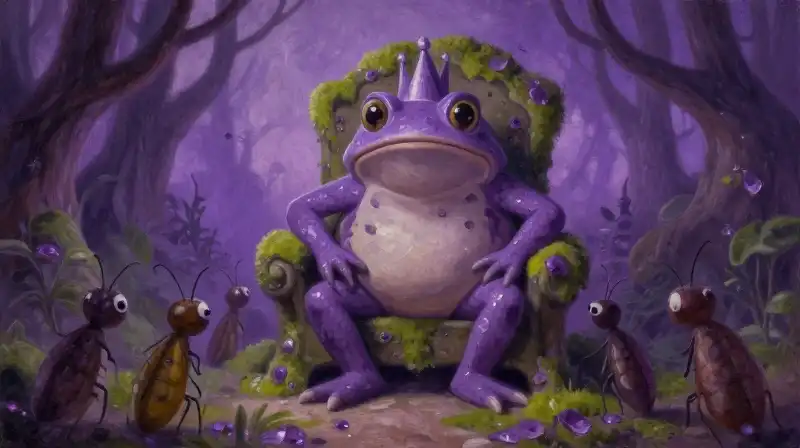 The characters who oppose Thumbelina are often less about pure malice and more about the pressure of duty and the fear of change.
The Predator vs. The Traditionalist
The toad, or the toad king in some variations [3, 2], functions as a powerful antagonist, embodying the threat of imposed fate. He is the literal danger—he seeks to marry her off, not because he loves her, but to fulfill a social and biological mandate. He represents a world where convenience and established order trump individual will. In contrast, the critiques Thumbelina faces from insects like the May-bug symbolize the societal judgment—the fear of being “too much” or “too different” to fit into a predetermined ecological niche [3].
Versions and Reflections: A Storybook Evolution
Understanding how *Thumbelina* has been told over time reveals the shifting focus of its moral lesson.
From 19th Century Prose to Modern Animation
* **The Original 1835 Text:** Hans Christian Andersen’s version [4] focuses on the struggle against established norms, using the marriage proposals to test Thumbelina’s capacity for independent love and kindness [1]. * **The Silent Films and Silhouettes:** Adaptations like Lotte Reiniger’s 1954 silhouette adaptation emphasize the exquisite visual contrast between the tiny heroine and her world, heightening the sense of delicate struggle [1]. * **Contemporary Media:** The widely known 1994 Disney animated film maintains the core journey of Thumbelina but often emphasizes themes of friendship and courage, presenting a more visually grand adventure for a younger audience [1]. These variations confirm that while the initial tale is a quiet internal search for authenticity, its adaptations highlight various aspects of that search, ranging from the quiet virtue of kindness [2] to the spectacle of adventure [1].
The Power of Compassion and Kindness
Despite the pressures of unwanted marriage and social exclusion, Thumbelina is defined by her unwavering capacity for kindness. Even while in a cold environment, she demonstrates compassion by caring for an injured bird and singing songs [1, 2]. This attribute teaches young readers that the truest form of strength is not the ability to conquer the world (like a giant), but the capacity for gentle empathy. Her warmth is the steady light that guides her away from the “ugly” judgment of others [1].
Applying the Lesson: Thumbelina for Bedtime or Classroom
The moral compass of Thumbelina is highly practical for educators and parents.
- Bedtime Anchor: Thumbelina is exceptionally soothing because her journey is an act of *gentle* resistance. She does not fight; she navigates. This calm assertion of self is perfect for helping children process boundaries and the importance of internal conviction while they drift off.
- Classroom Discussion: Use Thumbelina to introduce the concept of “individuality” vs. “conformity.” Ask children: When did Thumbelina feel most out of place? What did she choose? This facilitates discussions about feeling like an outsider in a safe, non-judgmental narrative.
Synthesis: Why This Tiny Tale Matters
Thumbelina is a profound piece of literature because it takes a microscopic experience and magnifies it into a universal human truth. Her tale serves as a gentle reminder that even the smallest person possesses the spirit needed to navigate the largest of pressures. She teaches us that true fulfillment is not found by accepting a destiny laid out for us, but by bravely charting a course toward the light, guided by the simple, quiet wisdom of one’s own heart.
Sources
- Thumbelina — en.wikipedia.org
- Thumbelina — readthetale.com
- Hans Christian Andersen : Thumbelina — andersen.sdu.dk
Frequently Asked Questions
What does Thumbelina symbolize?
Thumbelina symbolizes the journey toward genuine self-discovery, moving away from the pressures of social obligations and a prescribed destiny. She represents the innate human need to choose a life based on internal pull and genuine connection rather than following biological or societal mandates. Additionally, her small size emphasizes the vulnerability of a pure, untainted spirit that refuses to be assimilated.
Related Articles