The Meaning Behind Magical Artifact Lore in Fairy Tales

Introduction
When a story involves a glowing sword, an enchanted locket, or a shimmering shield, it is easy for a child to see only the spectacle—the glimmer of magic and the rush of a fantastical plot. Yet, for adults, these glittering objects are far more than plot devices. A magical artifact, at its heart, is often a carefully constructed metaphor. These objects serve as emotional containers, physical representations of ancient traditions, and vivid symbols of fundamental human struggles like love, loss, and the burden of power. They transform a simple whim into a profound thematic exploration.
For parents and educators, understanding the weight carried by these imagined relics allows us to move beyond merely describing what happens in the tale and instead appreciate what the tale means. By examining the history and function of these magical objects, we can find deeper resonance in everything from a traditional bedtime tale to a complex fantasy epic.
Artifact as Emotional Container: Bearing the Weight of History and Trauma
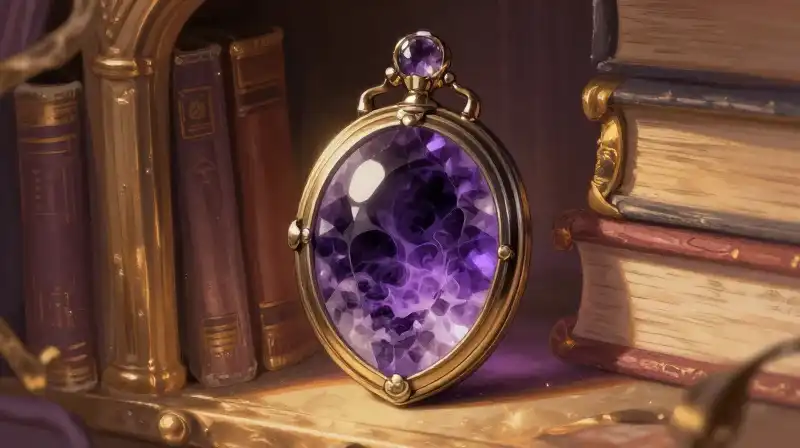
Perhaps the most profound function of a magical object is its ability to encapsulate deeply felt human experiences. Instead of a character merely “having” a memory, a magical relic can hold an entire accumulated history or a specific, sharp emotion. This use allows a story to explore complex themes of loss and legacy in a way that would otherwise feel too abstract for a child to grasp.
In deep fantasy lore, this is visible in items that are steeped in emotional residue. Consider the six-shot revolver known as ‘Famine,’ which does not just fire bullets, but holds the condensed tragedy of a father’s loss [1]. Similarly, the sword ‘Elegy’ is designed with a specific pronged structure not just to cut, but to emit a distinct hum that can instill a piercing sense of despondency in those nearby [1]. These artifacts become tangible anchors for intangible feelings like grief and sorrow.
The Burden of Being Marked
Emotional baggage is often not just personal; it can be inherited or imposed. The ‘Mantle of the Twice-Blessed’ is a powerful example. While it grants the wearer a valuable luck point, this boon comes with a severe and constant price: the wearer becomes a permanent target for the entity known as Szeroth [1]. The mantle doesn’s just give a gift; it binds the recipient to a persistent, external threat, forcing a contemplation of how great gifts often come with heavy, invisible costs.
The Price of Power: The Moral Calculus of Magic
A core lesson in storytelling across many genres is that immense power should not be easily attained. If magic were without cost, it would be trivial. Magical artifacts serve as perfect narrative mechanisms to ensure that characters must grapple with the reality that power, especially ultimate power, always exact a toll—whether that toll is physical, emotional, or existential.
This thematic link is explored through several powerful concepts:
- Vital Consumption: Some objects grant god-like abilities at the expense of the user. The ‘Ashen Tome,’ for instance, provides immense power but simultaneously consumes the reader’s vitality and memories to fuel its spells [3].
- Physical and Mental Strain: Power often requires a physical sacrifice or severe limitation. The ‘Harp of the Banshee’s Wail’ is a dramatic symbol of uncontrollable power, capable of shattering reality and summoning the dead, but every song the player sings exact a significant physical toll [3].
- The Cost of Fate: Certain artifacts allow a user to see all possibilities, but this omniscience introduces a new, dangerous complexity. The ‘Orb of Echoing Futures’ lets users see all possible futures, yet it carries the distinct risk of attracting “time-weaving predators that hunt through potentialities” [3].
Artifact as Identity and Authority: The Icons of Myth and Divine Strength
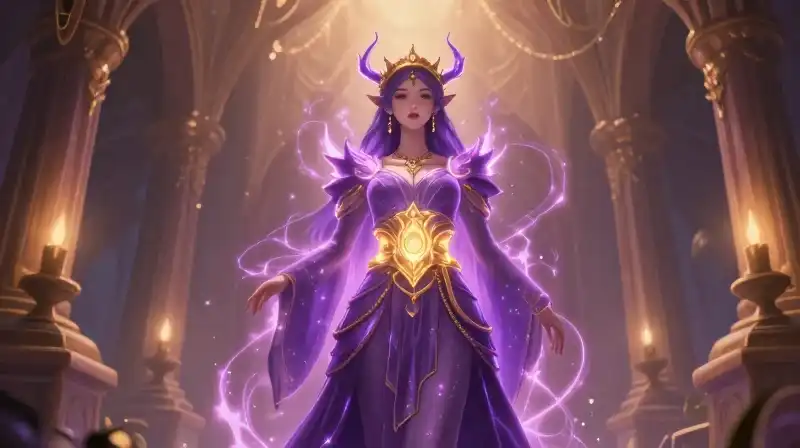
Beyond emotional weight and costs, magical items can represent the inherent strength, authority, and identity of a character, be it a mythical figure or a common hero. Ancient and mythological traditions are rich with objects that solidify divine or protective power.
These items function less as tools and more as visual shorthand for status and capability:
- The Symbol of Divine Authority: The belt ‘Megingjörð’ worn by the god Thor in Norse mythology is a prime example. It represents inherent divine strength and establishes his authority over elements like the violent storms [2]. This allows the god to “command” his domain through a simple, physical object.
- Ultimate Protection: Ancient shields and wards have historically served as profound metaphors for safety. The ‘Svalinn’ shield from Norse mythology is designed to stand “before the sun and protects Earth from burning” [2], serving as a powerful visualization of ultimate, unwavering defense.
- Defining Strength Through Competition: Sometimes, immense power isn’t just about being the strongest; it’s about choosing the right target. In many high fantasy settings, acquiring the greatest power, such as the ‘Sword of the Cosmos,’ demands that a user first declare a “Rival,” illustrating that ultimate strength must be directed at a chosen adversary [1].
Exploring Universal Symbols in History and Mythology
The concept of magical items is not confined to genre fiction; it is woven into the fabric of global culture. Many historical and mythological objects embody universal truths and concepts:
- The Symbol of Invisibility: The ‘Cap of Invisibility’ is a motif frequently found across Greek mythology, tied to figures like Hades, Athena, and Hermes [2]. It represents hidden knowledge or the ability to bypass social or supernatural barriers.
- Enhancing Social Power: Even mundane ornaments can be imbued with magic. ‘Aphrodite’s Cestus,’ a famous girdle, doubles as an artifact by enhancing beauty and influencing social dynamics—it compels others to fall in love with the wearer [2].
- Elemental Mastery: Artifact function can represent specific, powerful controls over nature. We see this in specialized weapons, like ‘Wildfire’ scimitars that grant control over flames and increased speed, or ‘Wavebreaker’ warhammers that can bend water to the user’s will [1].
Common Questions About Magical Artifact Lore
We often encounter specific questions when we explore magical items in fantasy and folklore. How do we differentiate these relics from simple treasures, and where do they appear in modern storytelling?
What are some interesting magical artifacts in your settings?
The most interesting artifacts are those that carry a deep internal contradiction or a defined price. For example, the concept of ‘Gluttony’—a parasitic tongue disguised as a staff—is intriguing because it requires mages to not only perform spells but to actively tolerate a creature that feeds on their own magical energy [1]. This turns an act of magic into a moment of vulnerability and endurance.
How do magical artifacts in mythology compare to those in modern fantasy (like Harry Potter)?
Mythological items often represent innate, almost elemental truths (like the absolute protection of the ‘Svalinn’ shield or the authority of Thor’s ‘Megingjörð’). Modern fantasy, while often drawing from these roots, tends to focus on the artifacts as highly specific, tangible objects that define a power scale or a quest (like the use of specific tools to unlock parallel realities via the ‘Infinity Locket’ [3]).
What are the benefits of using magical artifacts in storytelling?
Artifact lore provides a rich vocabulary for exploring themes. By tying a concept (like “accumulated history”) to a specific object, the story gives the abstract a concrete form. This makes the theme palpable for the reader. Whether it is the purifying properties of ‘The Tear of Mretrarigard’ to safeguard humanity during world apocalypses [1] or the symbolic power of a sword representing a chosen enemy, the artifact gives meaning to the conflict.
Synthesis: Why Artifact Lore Resonates With Young Minds and Adults
When we analyze magical artifacts, we find they are the backbone of narrative depth. They allow children to explore complex ideas—loss, responsibility, power dynamics, and the cyclical nature of history—through concrete, exciting symbols. They teach them that “great power” is not a blank slate, but something intrinsically linked to a sacrifice or a choice. The ‘Infinity Locket,’ for instance, makes the concept of choices and their unpredictability a tangible, shimmering danger [3]. By grounding fantastical elements in these layers of meaning, we transform simple tales into enduring, illuminating stories that children and parents alike can use to spark deeper conversations and imagination.
Sources
- What are some interesting magical artifacts in your settings? : r/worldbuilding — reddit.com
- List of mythological objects — en.wikipedia.org
- 10 Magical artifacts of immense power — dawnfist.com
Related Articles