Sirens vs. Mermaids: Discover the History of Ancient Sea-Lures


Introduction
There are creatures born of myth that haunt the edges of our imagination—be it the graceful, deadly singer or the sweeping, sapphire-tailed figure of the sea. When we ask about Sirens versus Mermaids, we often find ourselves tangled in a sea of “but they are the same” arguments. Yet, as we dive into the rich currents of storytelling, the difference between the ancient bird-woman and the oceanic hybrid is not merely a change in scale; it is a shift in the very language of danger and desire. Understanding this evolution allows us to find deeper lessons and richer imagery to weave into our own beds and classrooms, looking beyond the simplified clips and into the intricate, timeless narratives.
The Ancient Sound of the Siren
 To truly understand the contrast, we must first look back to the dawn of classical literature. Sirens as we might imagine them today did not begin in the deep blue of modern folklore; they emerged from the high, windswept coasts of ancient Greece. They were not aquatic hybrids but avian enigmas.
In Greek mythology, the original sirens were depicted as creatures with human heads but the bodies of large, majestic birds, complete with feathers and often scaly feet [2]. They represented the untamed, powerful element of nature itself, often tied to the rocky shores and islands of the Mediterranean [1].
The Power of the Lure
The defining feature of the classical siren is not her beauty alone, but her voice—the legendary “siren song.” This was not a gentle lullaby; it was a seductive, fatal allure that drew sailors toward their perilous doom [2]. In Homer’s *Odyssey*, this danger is made concrete: Odysseus is so captivated that he must be tied firmly to a mast by his crew to resist the deadly melody [2].
The name itself suggests this predatory capability. Etymological roots link “siren” to a concept of a “binder” or “entangler,” much like how Odysseus was physically bound to prevent him from succumbing to the irresistible song [2]. Symbolically, they function as potent forces of temptation, a motif that was later adopted and intensified in the Christian artistic traditions of the medieval period [2].
The Transformation into Modern Merfolk
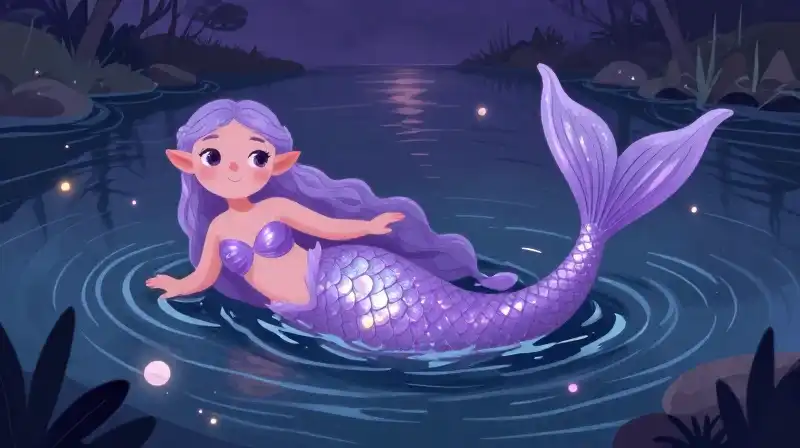
The creature we usually see in storybooks today—the classic mermaid—arose much later, primarily in Northern and Western European lore. This development represents a powerful hybridization of ancient archetypes.
The transition began in the medieval period. The concept of the siren evolved, shedding the full avian form to adopt upper human bodies paired with fish tails [2]. This change allowed the siren concept to morph into a creature that could exist fully within the oceanic realm, eventually becoming synonymous with the mermaid in many bestiaries [2].
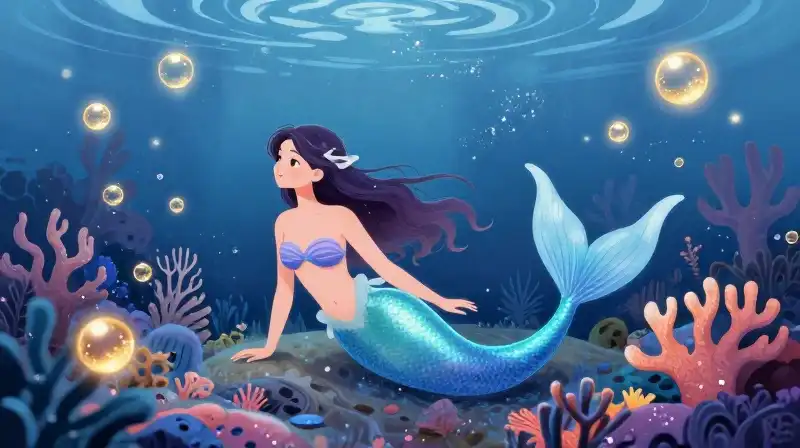
While traditional sirens were intrinsically linked to the volatile rocks of the coast, the modern mermaid’s domain is much broader, encompassing deep, medium, or even underwater cave settings [1]. Unlike the ancient, feathered lure of the Greek myths, the mermaid is defined by her aquatic, flowing movement and the scales that clothe her form [2].
Answering the Old Questions
Sometimes, the difference between these two creatures gets confusing because modern storytelling often blends their characteristics. To clarify these mythological distinctions, consider the following contrast:
| Feature | Classical Siren | Modern Mermaid |
|---|---|---|
| Primary Form | Human head on a powerful bird body (feathers, scaly feet) [2] | Human torso transitioning into a scaled fish tail [1] |
| Habitat Focus | Perilous coastal rocks and islands [2] | Various underwater settings (deep, medium, caves) [1] |
| Symbolism | Dangerous temptation and fatal lure [2] | Hybrid of sea and human beauty [1] |
| Key Action | Binding the listener to their deadly song [2] | Embodying oceanic movement and charm [1] |
Symbolism and Narrative Use: From Warning to Wish
 The shift from siren to mermaid tells a story about the evolution of human perspective—moving from fear and warning toward wonder and integration.
For parents and educators looking to use these creatures in a storybook or classroom setting, this evolution offers rich thematic potential. The Siren is the embodiment of the “fatal choice”—the one you must resist because its power is too great. The Mermaid is often the embodiment of the “discovery”—the beautiful, strange world beneath the surface, inviting curiosity but not necessarily doom [1].
The Theme of Irresistible Allure
Regardless of the form, both creatures represent irresistible allure, which makes them powerful tools for a narrative. The Greek siren, for instance, wasn’t just pretty; her temptation was tied to a cosmic force that bound a hero.
- Siren Symbolism (Danger and Logic): When using a siren, focus on the conflict. The siren song is an allegory for a distraction or a deep, dangerous temptation ([2]). A child facing a siren might need to find an anchor or a rule to stay safe.
- Mermaid Symbolism (Wonder and Mystery): The mermaid taps into the concept of the unseen world. Her existence allows us to explore hidden beauty and the mystery of the sea ([1]).
What Do These Tales Teach Us? (Answering the “People Also Ask” Questions)
The confusion between the two creatures often stems from popular culture that mixes their characteristics. However, looking at the myths reveals distinct lessons:
Are Sirens Real?
In the context of classical mythology, the answer is that they are powerful figures designed to test human will. Because they are tied to the legend of irresistible temptation ([2]), they serve as a powerful symbol of danger rather than a physical reality.
Is Siren vs Mermaid vs Harpy a Distinction?
While the distinction between siren and mermaid is one of form and origin, Sirens and Harpies are often used in comparison because they share a similar “dangerous, flight-capable, alluring” quality [2]. The harpy, however, usually brings elements of chaotic malice, whereas the siren/mermaid focuses on the insidious, irresistible lure.
Navigating the Water: Using Sirens and Mermaids in Storytelling
If you are looking for inspiration for a classroom project, a bedtime story, or even costume ideas, understanding the nuances allows for more intentional world-building.
A Color Guide for the Ancient Siren
To ground your story in the classical past, evoke colors associated with the sea and the sky: deep cerulean blue, seafoam green, and stark white (for the feathered aspects). The lines should be sharp and dynamic, mirroring the “deadly lines” of a beautiful, swift predator [2].
A Palette for the Oceanic Mermaid
Modern mermaids lend themselves to palettes of vibrant, living water: iridescent teal, shimmering pearl, and mossy emerald. The movement of the mermaid should be fluid and flowing, capturing the deep, quiet beauty of the underwater cave or deep trench [1].
Final Tide: Why These Creatures Matter
The contrast between the ancient, avian siren and the modern, aquatic mermaid provides a profound lesson on how myths evolve with humanity. The siren speaks to our deepest fears and temptations—the irresistible pull of the unknown. The mermaid speaks to our deepest wonder and fascination—the hidden beauty of life and the mystery of the unknown. In the gentle rhythm of a bedtime story, we can acknowledge both: the siren as a warning to be wary, and the mermaid as a dream to be chased. By understanding their origins, we give children the ability to look closer at the characters they love, finding not just a pretty tale, but a profound window into the enduring power of human history and the imagination.
Sources
- Sirens vs mermaid : r/mythology — reddit.com
- Siren (mythology) — en.wikipedia.org
Related Articles