Where Do Fairies Live? Discover the Enchanted Life of Winged Folk

Introduction
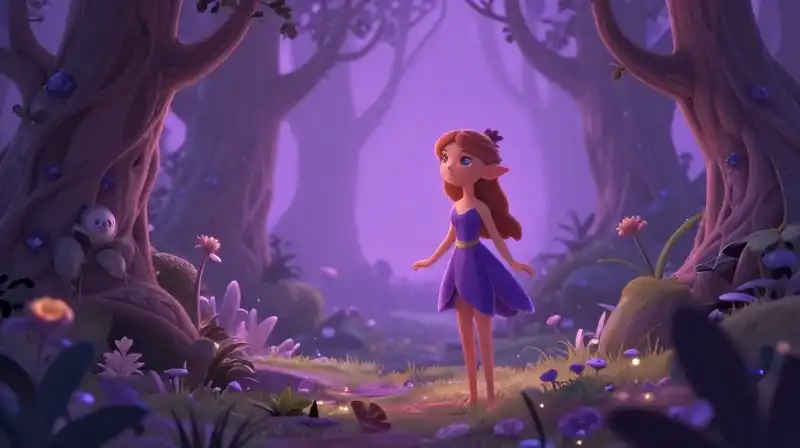
Close your eyes and imagine stepping into a thick, emerald woodland—not just a park, but a place where the sunlight seems filtered through a canopy spun from pure gossamer. Below the heavy loam and damp moss, in the hollow of an ancient oak, or perhaps shimmering in the spray of a forgotten hidden spring, is a world entirely apart. This is the realm of the fairy, a civilization that operates on a timeline far slower and more intricately detailed than our own. For those of us who wonder, “Where do fairies live?” or how these winged folk navigate such a profoundly magical existence, the answer is rarely confined to a single mossy patch.
In children’s stories, fairies are often depicted as whimsical garden sprites, but the true tapestry of fairy life is much richer. It involves secret geographies, intricate social rules, and a profound relationship with the elements. To truly understand the enchanted life of these creatures, we must look past the polished illustrations and examine the ecosystems—both physical and metaphysical—that sustain them.
The Hidden Realms: Where Fairy Geography Begins
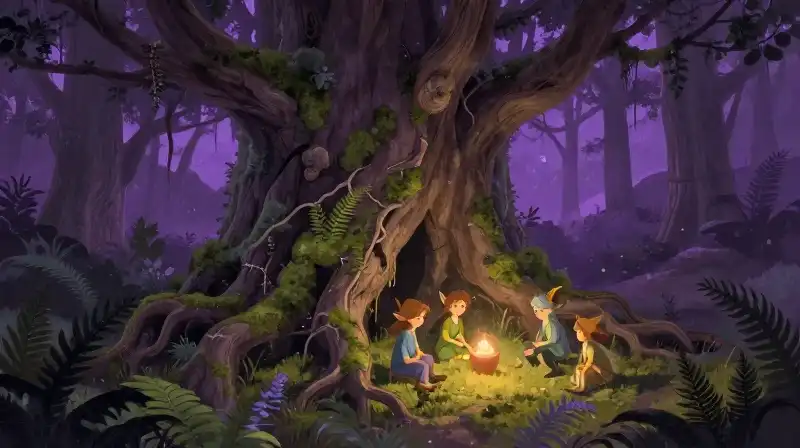
Fairy homes are not merely decorative cottages; they are specific environments that reflect the creatures themselves. Because fairies are so closely tied to the rhythm of nature, their habitats are usually those places in the natural world that are overlooked, untamed, or intensely vibrant.
Micro-Worlds of the Deep Woods
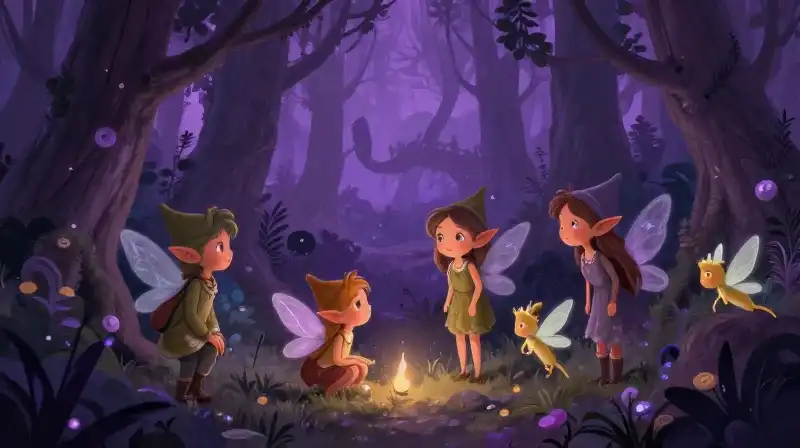
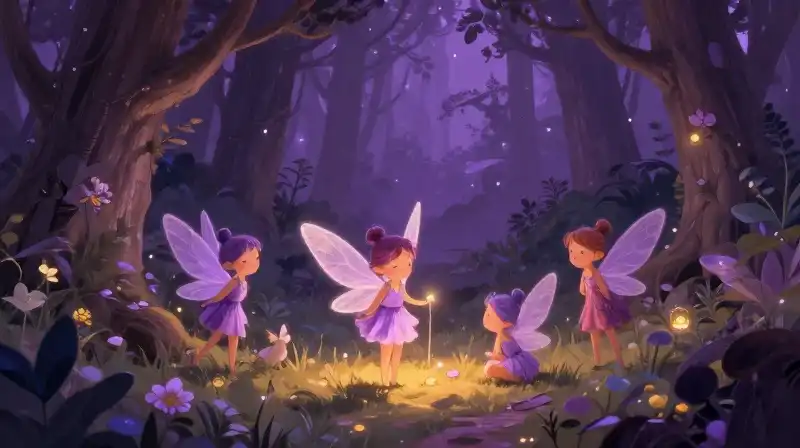
For the smaller, more playful fae, the world shrinks down to a magnificent, detailed microcosm. They thrive in places where the boundary between flora and fauna is blurred. Think of vast colonies residing deep within the root systems of prime, ancient trees. These underground networks are rich in nutrients and provide natural shelter from harsh weather. A perfect location is a hidden clearing dominated by ferns and thick, velvety moss, which serves as a natural carpet for tiny, iridescent wings.
The Shimmer of Sacred Sites
Higher up, in more ethereal folklore, fairies are believed to inhabit sacred spots—where the spiritual and physical worlds meet. These spots include mist-shrouded bogs, pristine mountain springs, or the heart of a deeply enchanted grove. These are the places where their connection to magic is strongest. It is interesting to note that even powerful entities within magical systems, such as the “Ancient Fairy” archetype seen in competitive card design, are often tied to specific powerful elements and archetypes [1, 2]. Just as this concept needs to be defined within a system, the fairy world needs its own grounding in specific, powerful geographical locations.
The Eternal Twilight of Moon-Blessed Places
Some folklore suggests that fairies exist not solely in the visible world but in “in-between” spaces. They are said to inhabit perpetual twilight—the liminal spaces, like the moment dawn breaks, or the very edge of a dark forest where the shadows still hold secrets. These are the realms of the more mystical and ancient fae, where time flows differently.
The Enchanted Life: How Winged Folk Sustain Themselves
Answering “How do fairies live?” requires an understanding that their sustenance and social life are rarely mundane. Their existence is one of constant harmony, though not always a peaceful one. They are inextricably linked to the cycles of growth and decay.
The Currency of Nature
A fairy’s diet is likely more based on essential energies than on harvested crops. They are often drawn to the “essence” of things—the nectar of rare nocturnal blossoms, the dew captured on spider silk, or the mineral-rich water running from underground springs. Their very bodies often appear to be made of concentrated light or the vivid colors of the forest, suggesting a biological need for pure, potent natural energy.
Social Structure and the Whispers of Community
Fairy society is highly structured, mirroring the natural order of their homes. There is often a clear hierarchy tied to mastery of a specific art, like a master weaver (skilled in gossamer) or a master musician (who knows the songs that guide other fae). Community life involves ritualistic gatherings, often tied to the seasons. These gatherings are where they exchange their most precious resources—not gold, but magical sparks, songs, and rare seeds. This communal sharing is what gives the fairy world its vibrant color and continuous life.
The Fairy Palette: Colors of Their Existence
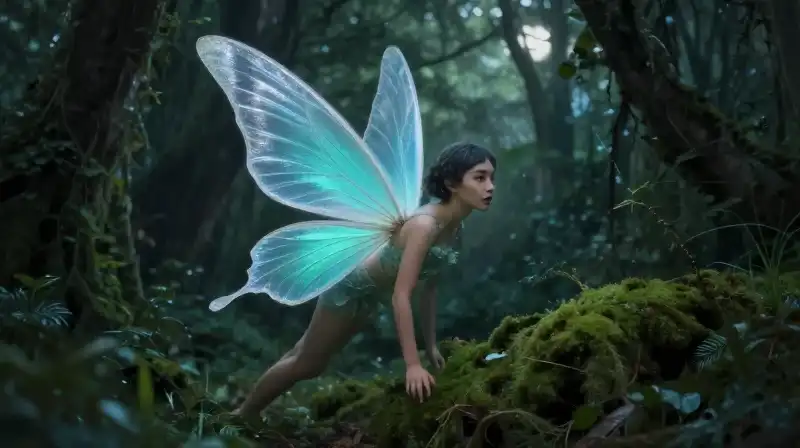
When imagining these creatures for a story or an illustration, their colors are not accidental. They are direct reflections of their environment and their magic. Understanding this palette helps anchor the whimsical nature of their stories.
The most common fairy colors include:
- Veridian and Moss Green: These are the colors of the deep forest, representing permanence, hidden shelter, and ancient life. They suggest a fairy tied to the earth and the slow passage of time.
- Iridescent Cyan and Silver: These represent the light that hits the wings—the brief, captured moments of magic. They evoke swift movement, mystery, and the ephemeral quality of their lives.
- Amethyst and Deep Violet: These are the colors of moon-blossoms and hidden magic. A violet-hued fairy is often connected to the deeper, more nocturnal mysteries of the forest and the power of intuitive knowledge.
- Amber and Golden Ochre: These represent the captured sunlight—the warmth of the perfect summer day and the vibrancy of their most joyous rituals.
Beyond the Garden: Fairy Creatures and Symbolic Roles
While the gentle sprite is a staple of bedtime tales, the fairy world also contains more complex figures. Not all “winged folk” are benevolent.
Some creatures serve as guardians, protecting the delicate balance of the ecosystem—small, fierce protectors of specific springs or groves. Others are tied to the chaos of nature, acting as omens or tricksters. Whether they are seen in a gentle tale or represented in the powerful, complex archetypes found in modern magical systems like the “Ancient Fairy Life Dragon” [1, 2], the fairy always embodies a raw, fundamental force of nature.
This contrast between the gentle, storybook fairy and the powerful, archetype-based magical entity shows us that these mythical creatures are not just pretty decorations; they are mirrors of powerful natural forces—growth, change, preservation, and potential—all wrapped up in a form that fascinates and slightly intimidates the imagination.
Finding the Magic in the Narrative
Ultimately, the purpose of fairy tales is not to provide a strict map of where these beings live, but to encourage children to look deeper at the world around them. When a story places a fairy in a specific, unique habitat—whether a glowing willow or a misty glen—it teaches the child that there are layers to reality. It encourages them to be attentive to the unnoticed: the rustle of the leaves, the perfect pattern of dew on a spider’s web, the specific way the light falls through the trees.
By understanding that the fairy is a symbol of life’s hidden beauty, we learn that the most important places are often the most overlooked. The enchantment isn’t just *out there* in a secret realm; it is within the intense detail of the world we already know, waiting for us to look close enough to see the iridescent wings.
Sources
- Ancient Fairy Life Dragon, Thoughts? : r/YuGiOhMasterDuel — reddit.com
- Yu-Gi-Oh! Neuron(TRADING CARD GAME CARD DATABASE) — db.yugioh-card.com
Frequently Asked Questions
How do fairies live?
Fairies live in highly structured societies that mirror the natural order of their specific habitats. Their existence is sustained not by typical harvested crops, but by the essential energies of nature, such as nectar from rare blossoms, dew, and mineral-rich water.
Where do fairies live called?
The article describes their homes as various specific environments, including microcosms deep within ancient root systems, mist-shrouded bogs, and perpetual twilight. It uses descriptive terms like 'hidden realms' and 'sacred sites' rather than a singular defined collective name.
Related Articles