
Calming Long Bedtime Stories: Choosing Narratives for Sweet Dreams


Introduction
When the sun finally dips below the horizon, creating that perfect transition from day’s play to night’s stillness, finding the right narrative to close the chapter on the day can be just as important as the story itself. A lengthy narrative, specifically one intended as a long bedtime story, offers a comforting, rhythmic structure that signals the end of the busy day and the beginning of rest. It provides more than just entertainment; it offers an extension of the evening routine, turning the quiet hours into a shared, enchanting ritual. But how do you select a multi-chapter adventure—a narrative deep enough to last for several evenings—that doesn’t become an exhausting obligation?
The Anatomy of a Calming Long Story
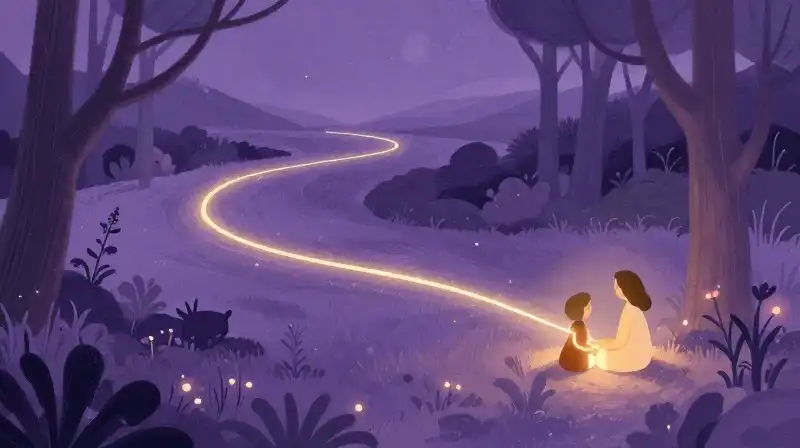 Choosing a story that truly functions as a “long bedtime story” involves looking beyond the simple presence of length. The primary requirement is not just the word count, but the inherent tone and emotional tenor of the material. To effectively help a child unwind, a narrative must prioritize a calming, friendly tone that makes the journey toward sleep feel safe and inviting [1]. This means steering clear of sudden, jarring conflict or over-stimulating action that would spike adrenaline rather than lower it.
The Power of Predictable Rhythm and Gentle Curiosity
Success in multi-night reading relies on the narrative arc being structured so that it can be broken into smaller, manageable segments. A story that builds suspense gently, like a mystery where characters discover a hidden element—such as Emily and Jack finding a hidden ladder deep inside Whisper Woods—provides engagement without causing frantic anxiety [1]. This kind of gradual discovery allows the story to be read in chapter segments, building anticipation for the next night. The foundation of this successful extended reading session is the feeling of safety and ease, ensuring the experience feels comforting rather than pressured [1].
The Role of Theme: What Soothes the Soul?
The deepest emotional resonance in children’s literature often comes from universal themes that affirm a child’s inner world. Tales centered on heartwarming love, gentle curiosity, and resilience are inherently soothing as they validate the feelings of the child, helping to ease the transition into sleep. When children read stories where they see characters dealing with friendship, quiet determination, or the discovery of beauty in the small things, it provides a sense of emotional equilibrium [1].
Selecting the Right Narrative for Every Stage
A major pitfall for parents is the assumption that all long stories are suitable for all ages. Vocabulary, thematic complexity, and the child’s evolving attention span demand tailored selection. Parents can navigate this by focusing on age-categorized collections that match developmental milestones [1].
| Age Range | Narrative Focus | Example Style |
|---|---|---|
| 4–5 Years (Early Stage) | Simple, episodic adventures; focus on gentle discovery and friendship. | Original series like the “Bubble Boy” series or early chapter books with clear character goals. |
| 6–8 Years (Middle Stage) | Light mysteries, low-stakes magic, and clear emotional stakes. | Gentle explorations of a new world, like characters stepping through a mysterious gate behind a hedge. |
| 9+ Years (Later Stage) | Rich character development, thematic depth, and conversational dialogue. | Longer classics with deep character arcs, such as Puss in Boots or Beauty and the Beast. |
The Enduring Comfort of Classic Journeys
For many, classic chapter series represent the gold standard for long bedtime reading [1]. Works like *Winnie-the-Pooh* serve as perfect examples of why long bedtime stories are so effective: their inherently calming and relaxing tone naturally helps children unwind. These narratives provide the narrative depth necessary for extended reading, while simultaneously offering a cozy environment where children feel safe to sleep [1]. Similarly, extended literary journeys—whether following the friendship in *Charlotte’s Web* or the limitless imagination of Peter Pan—offer the continuous, expansive narrative arcs required for multi-night reading adventures [1].
Bridging the Gap: Beyond Traditional Folklore
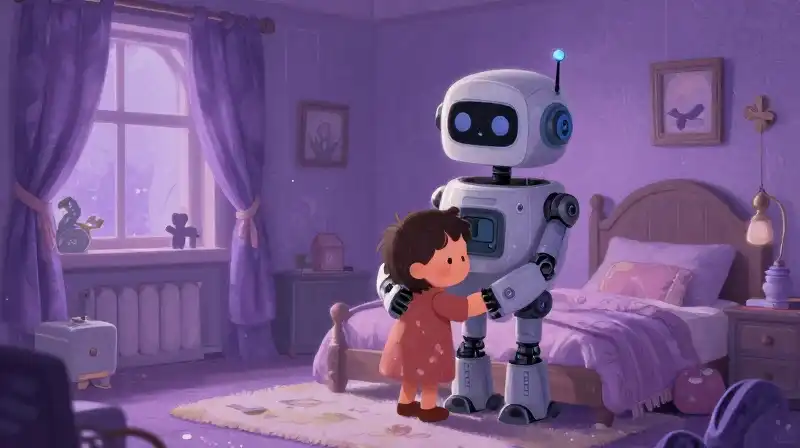 While traditional fairy tales provide the necessary character development and thematic depth to hold an older child’s interest, contemporary media offers equally effective, modern ways to extend the nighttime routine. These narratives can bridge a child’s daytime passions with their bedtime, making the transition smoother and more engaging. For example, imaginative franchise tie-ins, such as a story featuring the Autobot scout Bumblebee befriending a child, can serve as surprisingly effective long-form reads that utilize high-interest characters to achieve a relaxing outcome [1].
A Closer Look at Narrative Structure and Focus
The secret to an effective long story is often found in how the characters interact with their world. When tales emphasize inner beauty, as seen in *Beauty and the Beast*, they provide a depth of reflection that encourages thoughtful discussion, making them excellent material for bedtime conversations [1]. Conversely, while tales of villains or pirates can be exciting, a successful *long* bedtime story must ensure the conflict remains at an appropriate level of tension—engaging enough to hold attention, but not so intense that it causes pre-sleep distress.
Navigating Reader Frustration: When Reading Time Feels Hard
If a child shows resistance to longer reading sessions, it is rarely a rejection of the book itself; more often, it is a response to frustration and pressure [1]. The way the story is presented can drastically change this experience. Strategies that build focus include:
-
Framing the Story in Segments: Rather than attempting to read an entire chapter book in one sitting, segment the reading into smaller, bite-sized chapters.
-
Establishing a Predictable Routine: Integrating the reading time into a steady, rhythmic evening routine creates a natural sense of expectation and comfort.
-
Choosing a Cohesive, Cozy Atmosphere: Select tales that inherently feel enchanting and safe, ensuring the extended reading experience feels inviting and secure.
The Magic of the Unexpected: Magical Realism and Adventure
Some of the most successful long bedtime stories use the concept of magical realism. These tales allow children to experience exciting, wonderful events—like characters stepping through a mysterious gate behind a hedge—while keeping the tone grounded and gentle enough to be soothing [1]. This balance of engaging suspense and calming atmosphere provides the perfect amount of stimulus to sustain a longer reading session without crossing the line into overstimulation.
Synthesis: The Purpose of Extended Storytelling
Ultimately, the function of a calm, long bedtime story is to serve as a sanctuary for the mind. Whether you choose the predictable comfort of *Winnie-the-Pooh*, the moral gravity of classic folklore, or the modern excitement of a contemporary franchise, the goal remains the same: to provide a safe, rhythmic passage into sleep. By focusing on narratives that celebrate love, curiosity, and resilience, parents and educators can transform an extended reading time from a requirement into a cherished, comforting ritual that supports both the child’s imagination and their need for restorative rest [1].
Sources
- Bedtime Stories — readthetale.com
Related Articles