Which fairy tales involve magical rivers for bedtime reading

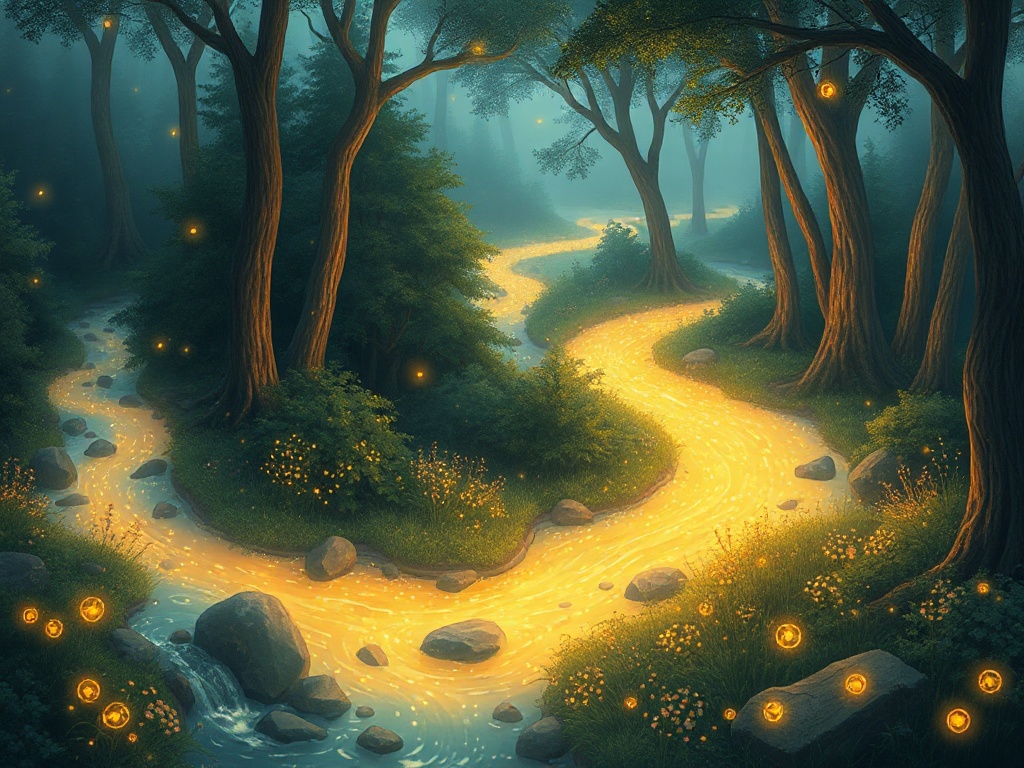
Fairy tales have captivated generations with their enchanting narratives, often featuring fantastical landscapes and extraordinary beings. Among these elements, rivers consistently appear as potent symbols and active plot devices, frequently imbued with magic. They represent journeys, transitions, and sometimes, perilous tests. From the limpid waters offering healing to the murky depths concealing fearsome creatures, rivers in folklore provide a rich tapestry for storytelling.
The allure of a river in a fairy tale isn’t just about its physical presence; it’s the inherent connection to the subconscious and the flow of life itself. The imagery of flowing water often relates to emotional currents and the unfolding of fate. Therefore, exploring fairy tales featuring magical rivers offers a gateway to understanding deeper themes about growth, adversity, and the enduring power of hope.
## The River Styx and the Underworld Connection
The most infamous magical river in folklore is undoubtedly the River Styx from Greek mythology. This dark and formidable waterway forms the boundary between the world of the living and the realm of the dead, making it a symbolic barrier to overcome. Achilles’ mother, Thetis, dipped him in the Styx to grant him immortality, leaving only his heel vulnerable – a testament to the river’s powerful influence.
Navigating the Styx requires Charon, the ferryman, and payment (typically a coin placed on the deceased’s mouth). This ritual emphasizes the necessity of acceptance and closure when facing mortality and the passage into another state of being. The entire concept serves as a stark reminder of the finality of death and the imposing nature of the afterlife.
The Styx’s depiction isn’t always explicitly magical in a whimsical sense. It’s magical through its ability to separate realms, representing a fundamental aspect of the universe: the divide between life and death. Its often described as churning and turbulent, reflecting the unpredictable and sometimes frightening nature of the unknown.
## The Healing Waters of Avalon and the Isle of Apples
In Arthurian legend, Avalon, the mythical island where King Arthur is taken to heal after his final battle, is often depicted as being surrounded by, or fed by, a river of magical healing waters. These waters possess restorative properties, capable of mending grievous wounds and prolonging life. The very name Avalon, derived from the Welsh “Aval, ” meaning “island of apples,” links the island and its river to abundance and eternal youth.
The river is often described as shimmering and serene, contrasting sharply with the battlefields Arthur has endured. It serves as a sanctuary, a place of peace and renewal. Morgan le Fay, Arthur’s half-sister and a powerful sorceress, is commonly associated with Avalon and the river, demonstrating its connection to female power and healing.
The quest for the healing waters of Avalon, whether literal or metaphorical, represents a search for restoration and rejuvenation. The river becomes a symbol of hope and the possibility of overcoming even the most devastating wounds, both physical and spiritual. The renewal offered by Avalon’s waters resonates with universal themes of healing and second chances.
## The River of Forgetfulness (Lethe) and Lost Memories
The River Lethe, another prominent feature in Greek mythology, serves a strikingly different purpose than the Styx or Avalon’s waters. Lethe is known as the “River of Forgetfulness,” its waters capable of erasing the memories of those who drink from it. This power is crucial for the souls entering the underworld, ensuring they don’t carry the burdens of their former lives into the afterlife.
Hesiod’s Theogony provides a detailed account of the Lethe’s role, emphasizing its importance in the cycle of reincarnation. Souls would drink from the river to wipe away their past experiences, allowing them to be reborn into new lives, free from the weight of regret or trauma. The act of forgetting, in this context, is not inherently negative but a necessary step for renewal and progression.
While the concept of forgetting might seem bleak, the Lethe river highlights the idea that sometimes, letting go of the past is essential for moving forward. Its existence raises questions about the nature of identity and the impact of memories on shaping who we are. It is a reminder that even seemingly undesirable experiences contribute to our journeys.
## The River Enchantment in Slavic Folklore
Slavic folklore boasts several tales featuring enchanted rivers, often tied to Rusalki – female spirits who dwell in the waters and lure unsuspecting travelers to their doom. These rivers aren’t necessarily healing or forgiving; instead, they represent a potent force of nature, beautiful yet dangerous, alluring yet destructive.
Many tales involve young men venturing to the riverbank in search of love or fortune, only to be ensnared by the Rusalki’s enchanting songs or captivating appearances. The river itself becomes a gateway to the supernatural, blurring the lines between the mortal and spirit realms. The waters hold a silent, watchful presence.
These tales serve as cautionary lessons about the dangers of unchecked desire and the importance of respecting the power of nature. They also explore themes of loss, betrayal, and the consequences of succumbing to temptation. The river’s beauty masks a dangerous truth.
## The Wishing River in East Asian Folklore
Across various East Asian cultures, particularly in Japanese and Chinese folklore, rivers are frequently associated with wishes and divine blessings. These aren’t always explicitly magical in the sense of possessing healing or forgetfulness properties, but are perceived as conduits to the spirit world, capable of granting desires if approached with respect and a sincere heart. The very act of tossing a coin or performing a ritual by the river’s edge signifies a heartfelt request.
These “wishing rivers” are often depicted as flowing through sacred landscapes or near temples and shrines. They are linked to deities and spirits who are believed to hear and respond to the prayers of mortals. The purity of the water and the tranquility of the surroundings are crucial in amplifying the potency of the wishes.
The tradition of offering prayers and small tokens to these rivers highlights the cultural belief in the interconnectedness of humans and the spirit world. It’s a demonstration of gratitude and an acknowledgment of the benevolence of the unseen forces. These rivers represent a tangible link to divinity and the potential for blessings.
## Conclusion
Magical rivers are recurring motifs in fairy tales, spanning diverse cultures and offering unique insights into human hopes, fears, and beliefs. From the underworld boundaries of the River Styx to the healing waters of Avalon, they serve as powerful symbols of transformation, challenge, and the cyclical nature of life. The variety of these depictions is testament to their adaptability in storytelling.
Ultimately, the presence of a magical river in a fairy tale serves not only to enrich the narrative with an element of wonder, but also to explore profound themes about mortality, memory, desire, and the intricate relationship between humanity and the natural world. These stories, passed down through generations, continue to resonate because they tap into the universal fascination with the mysteries that flow just beneath the surface of our existence.
Related Articles