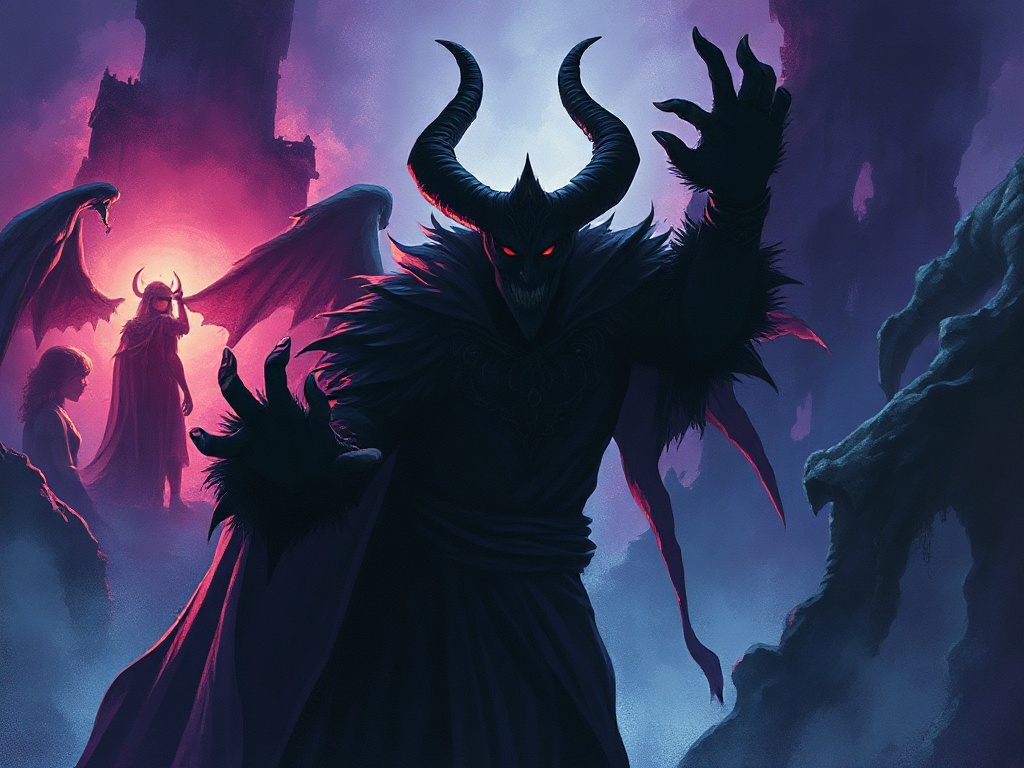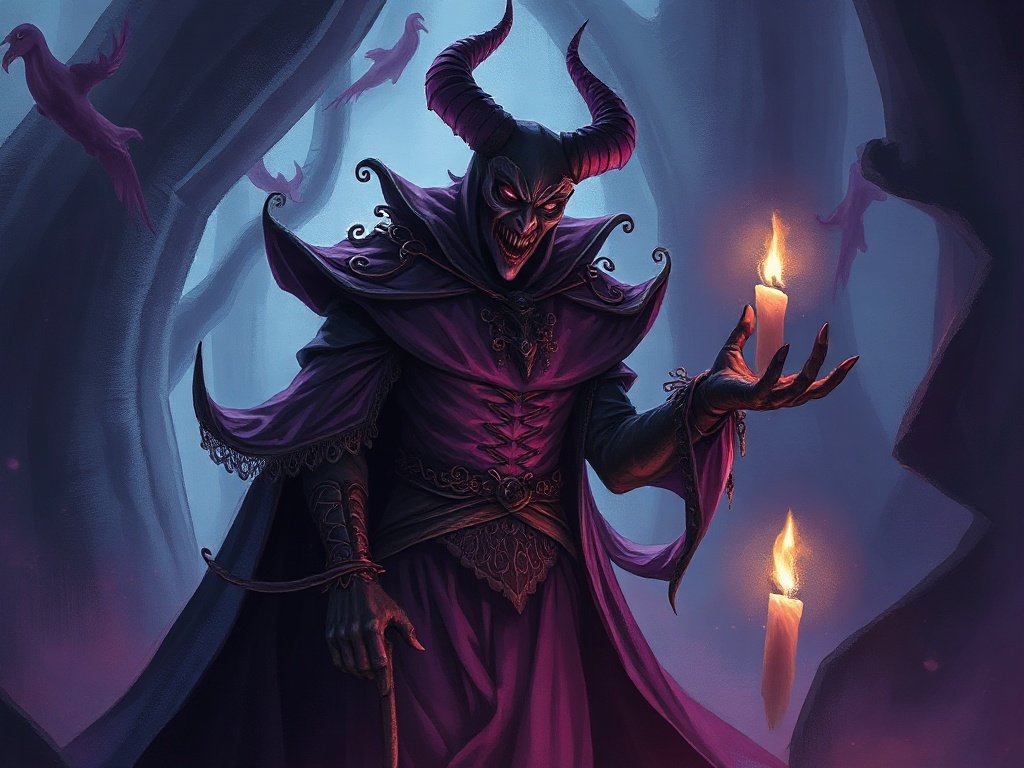

What makes the Goblin King scary in Labyrinth bedtime tales
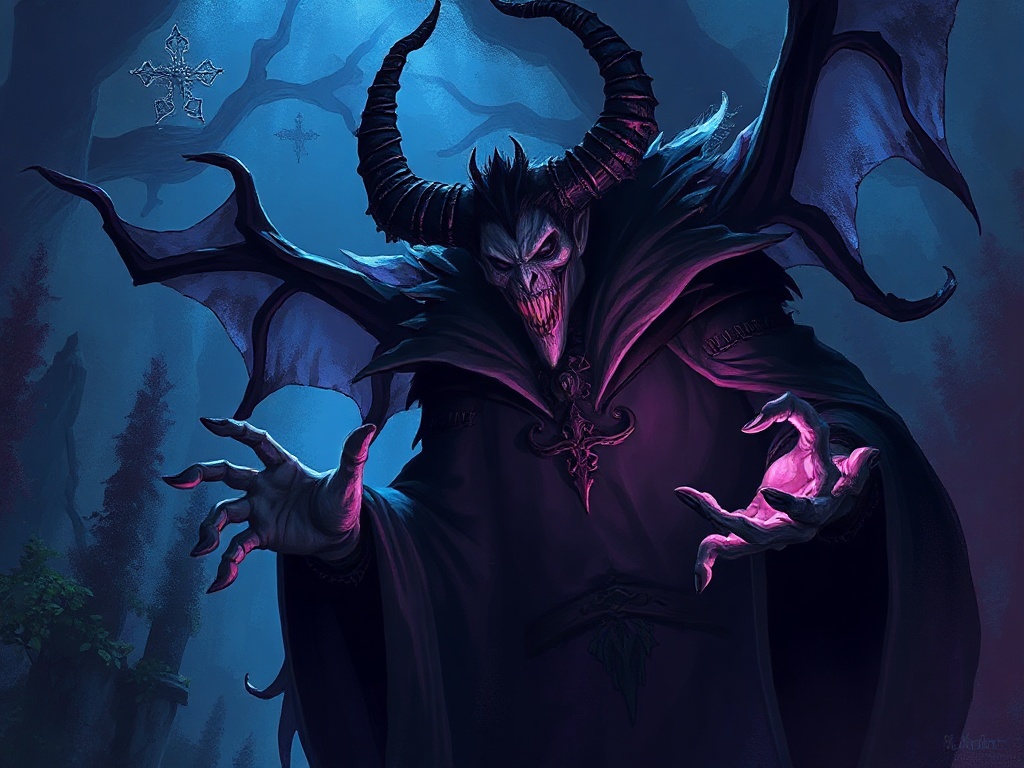
The Labyrinth, a beloved 1986 fantasy film, is instantly recognizable for its intricate set design, David Bowie’s iconic performance, and Sarah’s courageous journey. However, lurking at the heart of this fantastical world is Jareth, the Goblin King, and his sustained popularity as a villain stems from a complex interplay of factors beyond simple malevolence. He’s not a snarling brute, but a deeply wounded and ultimately tragic figure whose power is both mesmerizing and terrifying. This exploration delves into the elements that contribute to the Goblin King’s enduring scariness, moving beyond the surface level of his abilities and examining the psychological and narrative depths that make him such a compelling antagonist.
Unlike many fairy tale villains driven by greed or outright cruelty, Jareth’s actions are rooted in a profound sense of rejection and a desperate longing for control. He craves validation and recognition, evident in his elaborate kingdom and his obsessive pursuit of Sarah. His desire isn’t simply to possess her, but to conquer her will, to force her to acknowledge his power and, arguably, to replace the familial love he clearly lacked. Understanding this foundation allows us to see beyond the menacing facade and recognize a character driven by deeply human, albeit twisted, motivations, which ironically makes him all the more unsettling.
## The Power of Isolation and the Labyrinth Itself
The Labyrinth, Jareth’s meticulously crafted domain, is not just a backdrop; it’s a crucial element in establishing his power. The intricate maze, filled with fantastical creatures and dangerous traps, represents his psychological state – a complex, isolating space reflecting his own internal turmoil. It’s a literal and metaphorical prison, both for those who enter and, arguably, for Jareth himself, trapping him within his own obsessive desires. The sheer scale and chaotic nature of the Labyrinth underscore the immense power he wields and the consequences of defying him.
Furthermore, the Labyrinth’s ability to manifest anxieties and fears is a key factor in its terror. The creatures and illusions within are not random; they are designed to target the weaknesses and insecurities of those who dare to trespass. This personalized torment showcases Jareth’s command over the space and his capacity for psychological manipulation, elevating him beyond a mere physical threat. It’s not just about brute force; it’s about preying on the vulnerabilities of his opponents, making their journey through the maze a deeply personal and harrowing experience.
The very concept of getting lost within the Labyrinth contributes to its inherent fear. Getting lost represents a loss of control, a vulnerability that Jareth exploits mercilessly. The uncertainty of what lies around each corner and the possibility of never escaping amplify the anxiety of anyone trapped within its walls. It’s a primal fear – the fear of the unknown and the fear of being utterly alone – that resonates deeply with audiences and reinforces the Goblin King’s authority as a terrifying figure.
## Bowie’s Performance: Charisma and Threat Combined
David Bowie’s portrayal of Jareth is undeniably integral to his effectiveness as a villain. Bowie’s iconic status, already established through his music and image, lent the character a certain allure that heightened the impact of his menacing actions. He wasn’t just playing a monster; he was embodying a charismatic and captivating presence, making the threat all the more dangerous. This duality - beauty and terror – is a crucial element of Jareth’s appeal.
Bowie’s performance expertly balances vulnerability and arrogance, revealing glimpses of the hurt and loneliness that fuel Jareth’s behavior. This doesn’t excuse his actions, but it provides a layer of complexity that transcends simple villainy. He isn’t purely evil; he’s a deeply flawed and ultimately pitiable figure, and this humanization makes him more disturbing than a purely monstrous foe would be. The subtle shifts in expression, the longing in his eyes, all contribute to the character’s unsettling and captivating nature.
The visual presentation of Jareth, spearheaded by Bowie’s dedication and costume design, contributes enormously to his intimidating presence. The elaborate makeup, the stylized clothing, and the dramatic hairstyles all create a visual aesthetic that is both otherworldly and captivating. This carefully crafted image reinforces his status as a powerful and dangerous figure, further solidifying his place as a memorable and terrifying villain.
## Jareth’s Obsession with Sarah
Jareth’s unrelenting obsession with Sarah isn’t presented as romantic love, but a desperate attempt at dominion. He doesn’t desire a reciprocal relationship; he wants to break her will and bend her to his desires. This possessiveness, coupled with his willingness to trap and torment her, establishes him as a fundamentally controlling and frightening presence. It’s not about wanting her happiness; it’s about wanting her submission.
The constant reminders of Sarah’s transgression – stealing his Orb – frame the entire conflict and reinforces his perceived right to pursue her relentlessly. In Jareth’s mind, she owes him, and his actions are justified as a form of retribution. This warped sense of justice, combined with his unchecked power, creates a situation where Sarah feels increasingly vulnerable and trapped, amplifying the sense of dread and suspense. This narrative framing casts him as a formidable and intimidating antagonist.
Ultimately, Jareth’s inability to accept rejection or to genuinely connect with another person is a source of considerable fear. His fixation on Sarah highlights his emotional immaturity and his inability to cope with feelings of loss and inadequacy. This inability to move on and instead to resort to manipulation and control demonstrates a deeply unsettling psychological state, making him far more frightening than a simple physical threat.
## The Ambiguity of His Motivations
While we glimpse moments of vulnerability, Jareth’s true motivations remain shrouded in a degree of ambiguity. Is he truly driven by a desire for companionship, or is his pursuit of Sarah merely a power play? This uncertainty keeps audiences guessing and contributes to the sense of unease surrounding his character. It’s this lack of clarity, this inability to definitively categorize him as simply “evil,” that makes him so compelling.
The film intentionally avoids providing a definitive explanation for Jareth’s behavior, leaving room for interpretation and fostering a deeper sense of mystery. We see hints of childhood trauma and loneliness, but these are never fully explored. This ambiguity allows audiences to project their own fears and anxieties onto the character, making him a more universal and unsettling representation of repressed emotions and unchecked power.
This deliberate ambiguity regarding his background and reasons for wanting Sarah ultimately underscores the complexity of the character. He’s not a caricature, but a multifaceted individual whose actions, while undeniably frightening, are rooted in a complex and tragic backstory. This nuanced portrayal elevates him above the typical villain and establishes him as a truly memorable and unsettling antagonist.
## Conclusion
The Goblin King’s enduring scariness within Labyrinth isn’t solely due to his magical abilities or the impressive Labyrinth he commands. It’s a consequence of a carefully layered character, brought to life by Bowie’s extraordinary performance and a narrative that explores themes of isolation, obsession, and the yearning for validation. He is a character who provokes not just fear, but also a strange sense of empathy, which ultimately makes him all the more unsettling.
Ultimately, Jareth’s power lies in his ability to tap into primal fears – the fear of being lost, the fear of being controlled, and the fear of being rejected. These deeply human anxieties, combined with his charismatic and menacing presence, cement his status as one of cinema’s most iconic and memorable villains. Labyrinth has secured his place in bedtime stories as a figure to be both feared and, strangely, fascinated by.
Related Articles