
What makes the Dragon in Saint George tales so fearsome

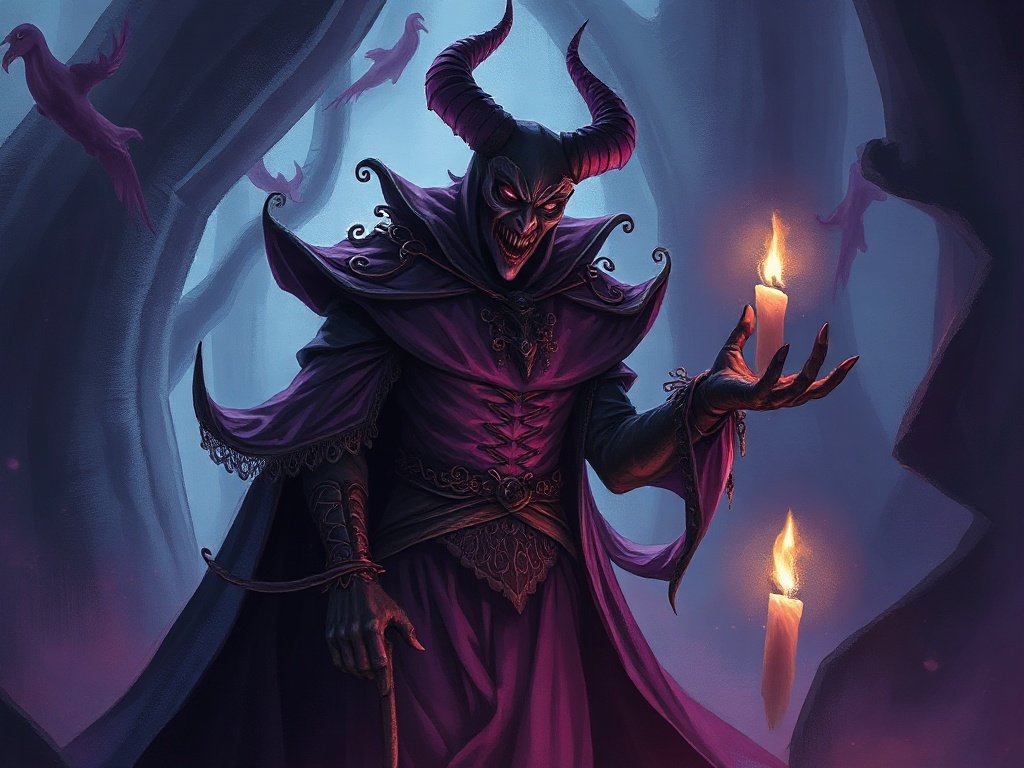
The Saint George and the Dragon story is a cornerstone of European folklore, a vibrant tale resonating through centuries. At its heart lies a truly terrifying villain: the dragon. More than just a fire-breathing beast, the dragon represents a complex and multifaceted threat, weaving together fear of the unknown, societal anxieties, and the power of destructive forces. Understanding what makes this creature so compellingly frightening requires examining its symbolism, its impact on the narrative, and the specific characteristics that set it apart from other monstrous figures in folklore.
The enduring popularity of the Saint George legend stems, in part, from the dragon’s effectiveness as a tangible embodiment of evil. It’s not a subtle, manipulative force; it is a primal, destructive power that disrupts the lives of ordinary people. This direct confrontation, between good and evil, heroism and monstrous might, is deeply appealing, offering a narrative of hope and redemption in the face of overwhelming adversity. Exploring the dragon’s features reveals how skillfully the story taps into fundamental human fears and desires.
## Physical Manifestation of Terror
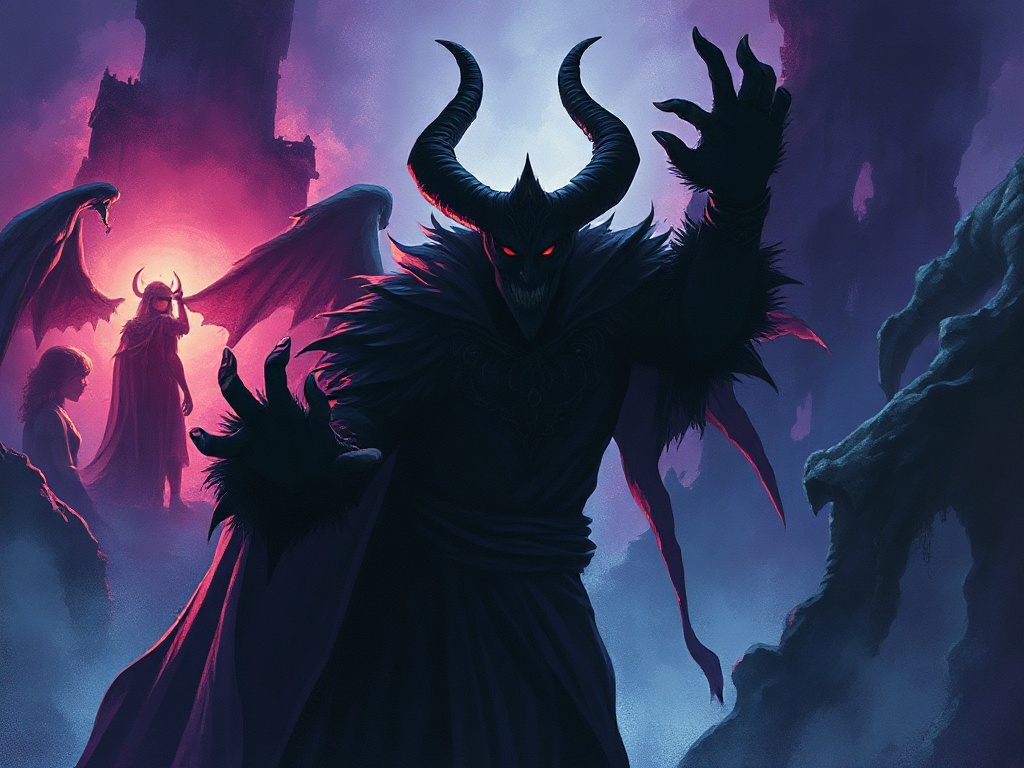
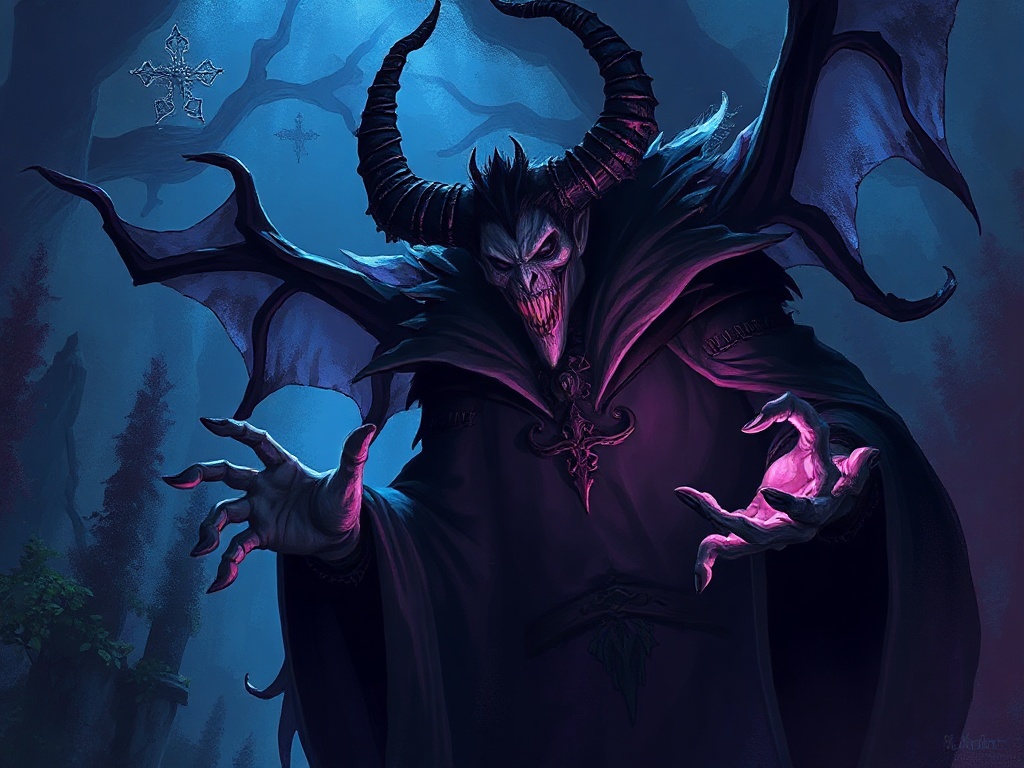
The sheer physicality of the dragon is a crucial element in generating fear. Descriptions often paint a picture of immense size, scales like impenetrable armor, and claws capable of tearing through stone. These details aren’t mere embellishments; they serve to overwhelm the reader and establish the dragon as an insurmountable obstacle. This tangible threat contrasts sharply with the bravery and comparatively smaller stature of Saint George, amplifying the heroism required to confront it.
The dragon’s appearance goes beyond just being large and scaly. The specific colors and textures associated with it – often a combination of dark greens, reds, and blacks – inherently evoke feelings of dread and danger. A creature that blends into the shadows, or possesses a fiery, infernal glow, immediately appears malevolent and outside the natural order. The visual imagery is powerfully linked to primal anxieties surrounding predators and chaotic elements.
Furthermore, the sensory experience of encountering a dragon is deliberately amplified within the story. The stench of its breath, the roar that shakes the earth, the heat radiating from its scales – these are all carefully described to immerse the audience in the terror. The dragon isn’t just seen; it is experienced, a testament to its complete dominance of the surrounding environment and a demonstration of its capacity for destruction.
## The Dragon as a Symbol of Paganism
Beyond a simple beast, the dragon frequently operates as a symbolic representation of pagan beliefs and practices, particularly within the context of the story’s Christian framework. The dragon’s association with darkness, chaos, and untamed wilderness directly opposes the order and light represented by Saint George and Christianity. The dragon’s very existence challenges the burgeoning Christian faith, demanding a heroic intervention to restore divine harmony.
Historically, dragons were often associated with ancient deities and rituals in various cultures. Incorporating this pre-existing symbolism into the Saint George narrative layered the dragon with extra meaning, transforming it into a potent symbol of the old ways that needed to be vanquished. The defeat of the dragon wasn’t just about saving a princess or a city; it was about the triumph of one spiritual system over another, a pivotal moment in a broader cultural shift.
The offering of sacrifices to the dragon, a common motif in the tale, further reinforces this connection to pagan practices. By demanding human sacrifices, the dragon embodies the perceived barbarity and misguided worship of earlier religions. Saint George’s refusal to participate in these rituals and his subsequent act of slaying the beast represent a rejection of pagan customs and an embrace of Christian morality.
## The Princess – A Target of the Dragon’s Wrath
The presence of a princess, often a beautiful and innocent maiden, is inextricably linked to the dragon’s terror. She isn’t merely an accessory to the story; her vulnerability becomes a focal point for the dragon’s destructive rage and a powerful symbol of what needs to be protected. The dragon’s targeting of the princess elevates the stakes of the conflict and dramatically intensifies the audience’s emotional investment in the story’s outcome.
The princess’s captivity represents a loss of agency and a subjection to the dragon’s will. This power dynamic underscores the dragon’s overall dominance and highlights the severity of the threat it poses to the community. The princess’s helplessness contrasts starkly with Saint George’s heroic intervention, emphasizing his role as a rescuer and a champion of the oppressed.
Her symbolic representation as a figure of purity and innocence amplifies the moral weight of the dragon’s actions. The princess embodies societal values, and the dragon’s desire to consume her signifies a threat to the very fabric of the community. Her eventual rescue becomes a restoration of order and a validation of Saint George’s courage.
## Psychological Impact on the Community
The dragon’s reign of terror extends beyond the physical threat it poses; it also induces widespread psychological fear and despair within the community. The constant threat of sacrifice and the sheer horror of the dragon’s attacks cripple the people, leaving them paralyzed by anxiety. This atmosphere of fear is a significant aspect of the dragon’s power, highlighting its ability to control and manipulate through intimidation.
The dragon’s actions lead to economic devastation as people flee their homes and farmland is abandoned. This loss of livelihood further fuels the community’s despair and makes them even more susceptible to the dragon’s demands. The destruction isn’t solely physical; it’s a breakdown of social structures and a loss of hope for the future.
The villagers’ willingness to offer sacrifices demonstrates the psychological toll the dragon has taken. Driven by fear and desperation, they are willing to relinquish their own children in a desperate attempt to appease the monster. This willingness to compromise their moral values is a testament to the dragon’s ability to dismantle the community’s spirit and induce a state of submission.
## Conclusion
The dragon in Saint George tales isn’t simply a monster to be slain; it’s a meticulously crafted figure designed to evoke profound fear and represent a multitude of societal anxieties. Its fearsome physical presence, symbolic weight, and the terrifying impact it has on the community all contribute to its enduring status as one of the most memorable and chilling villains in folklore. Understanding these facets reveals the brilliance of the narrative and its continued relevance across cultures.
Ultimately, the dragon’s terror serves a crucial narrative purpose. It provides the dramatic contrast needed to highlight Saint George’s heroism and underscore the triumph of good over evil. Without a truly formidable adversary, the victory would lack its significant impact, and the legend’s power would be significantly diminished. The dragon’s continued appearance in retellings throughout history confirms its status as a powerful and enduring symbol of darkness.
Related Articles