
What makes the Troll in The Princess and the Goblin scary
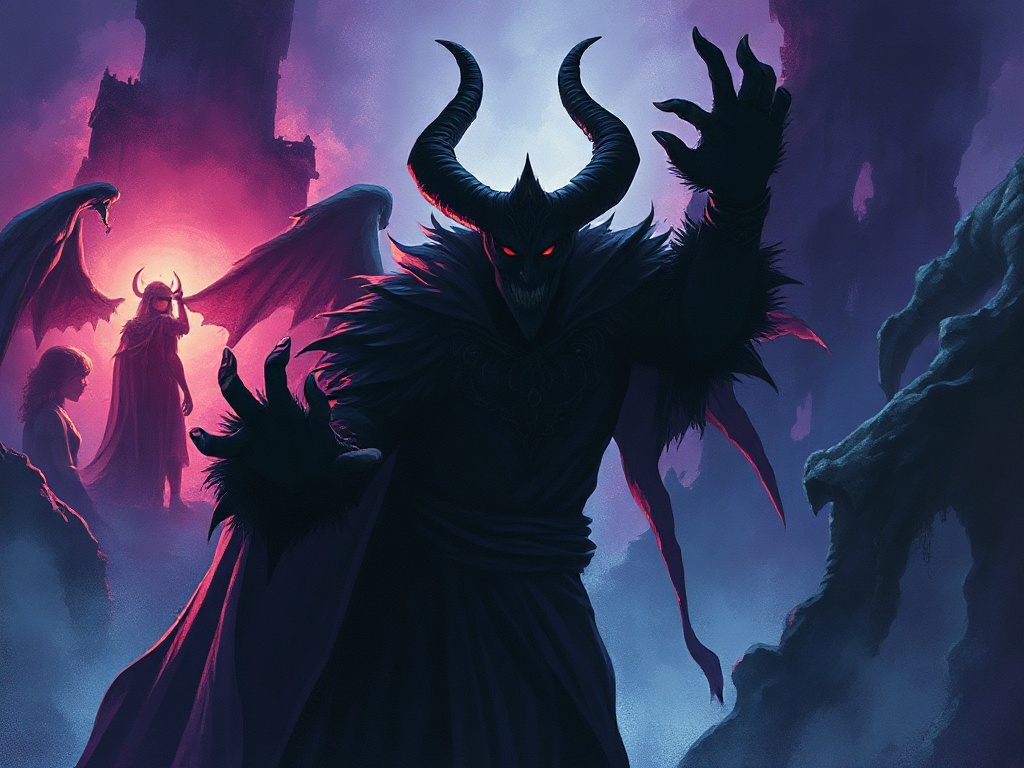
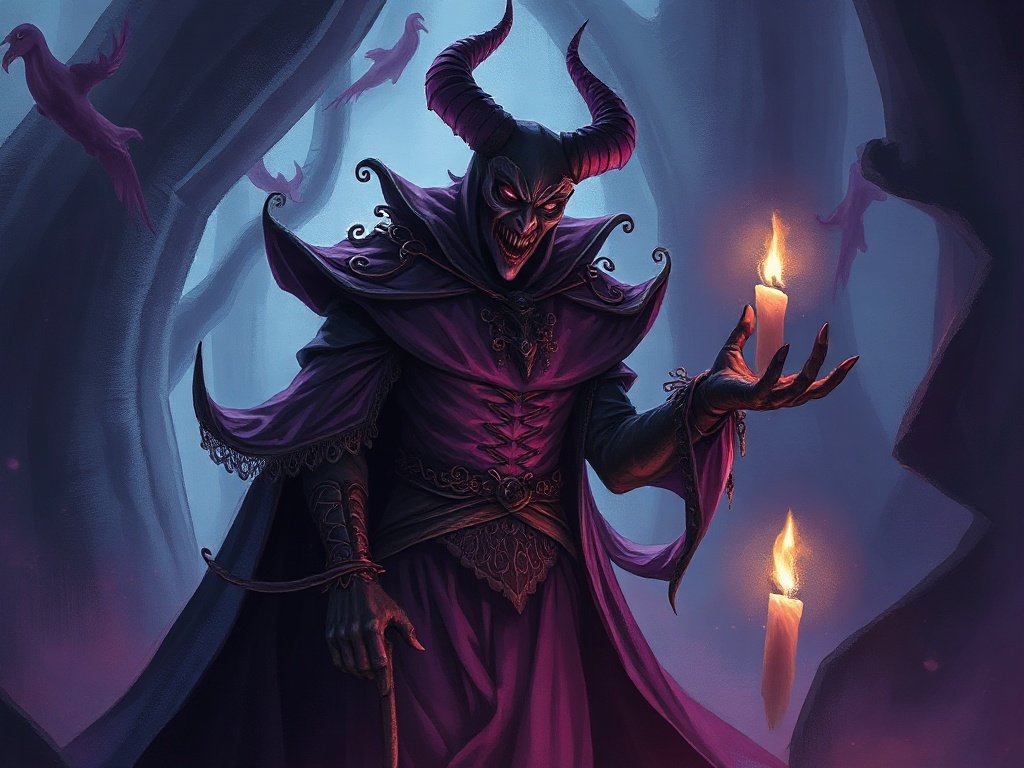
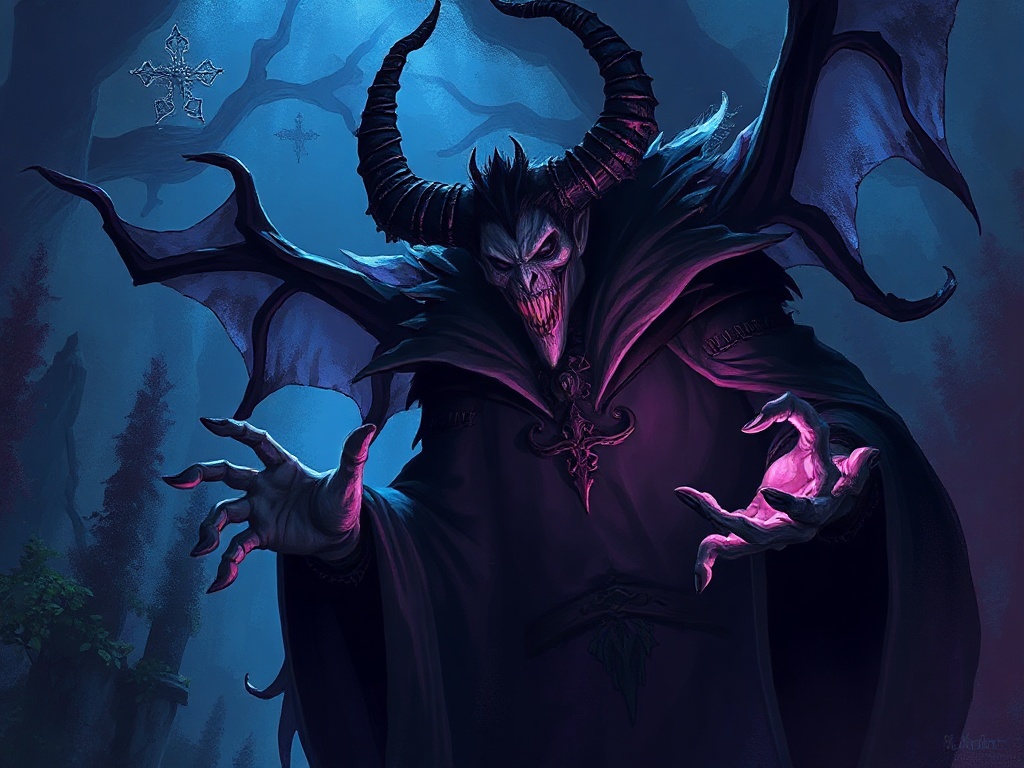
George MacDonald’s The Princess and the Goblin is a beloved children’s fantasy, celebrated for its whimsical characters and heartwarming themes of courage and ingenuity. Yet, woven into this seemingly gentle narrative is a genuinely unsettling villain: the Troll. It’s easy to dismiss him as a simple monstrous figure, but a closer examination reveals a deeply disturbing character, whose power isn’t solely rooted in physical strength but in a far more insidious, psychological threat. The story isn’t just about defeating a monster; it’s about confronting darkness itself, represented by this ancient, subterranean being.
While the narrative maintains a lightness of tone, the presence of the Troll is a constant undercurrent of dread. He embodies the vulnerability of childhood and the potential for unseen dangers lurking beneath the surface of a seemingly safe world. His motivations are opaque, his power immense, and his influence extends beyond the immediate threat to the princess, representing a pervasive and unseen corruption that threatens the very fabric of their world. Understanding the source of his true scariness requires examining more than just his appearance.
## The Subterranean Domain and its Dread
The Troll’s home, deep beneath the earth, is crucial to understanding his sinister nature. It’s not just a dark and damp cave; it’s a sprawling, echoing network of tunnels and chambers, described with a palpable sense of claustrophobia. The very environment he inhabits contributes to the overwhelming feeling of unease and reinforces the idea of a hidden, hostile realm existing parallel to the familiar world above. This subterranean domain feels ancient, almost primordial, suggesting the Troll has resided within it for eons, untouched by the progression of time and civilized life.
MacDonald uses vivid imagery to paint a picture of this underworld, employing descriptions of dripping water, glistening stalactites, and the unsettling sounds of echoing emptiness. The lack of light, the dampness, and the sheer scale of the subterranean network all work together to create a truly oppressive atmosphere, turning the reader into a participant in the princess’s growing fear. It’s a space utterly alien and hostile to human life, and its description subtly foreshadows the unsettling nature of the Troll himself.
The sense of being trapped and isolated within the Troll’s domain is a significant source of the story’s tension. It traps the princess and Curdie, forcing them to confront the Troll and his goblin hordes with limited resources and a growing feeling of hopelessness. The inherent limitation of their space amplifies the threat posed by the Troll and reinforces the idea of him being an almost unstoppable force.
## The Nature of the Goblin Horde
The Troll isn’t a solitary monster; he commands a vast and unnerving horde of goblins, whose primary purpose is to steal the princess’s hair, a source of great power. The goblins themselves are repulsive creatures, described as having long, grey faces and burning eyes, and their collective presence underscores the Troll’s power and the scale of the threat. They move with a disturbing silence and coordinate their actions with unsettling precision, demonstrating a hive-mind mentality controlled by the Troll’s will.
What makes the goblin horde truly unsettling is their blind obedience and utter lack of individuality. They are essentially extensions of the Troll’s will, devoid of agency and driven only by a single, sinister purpose. This lack of identity reduces them to instruments of the Troll’s malevolence, making them all the more unsettling and highlighting the deeply dehumanizing influence of the Troll. They are not acting out of malice, but from a programmed compulsion, amplifying the disturbing nature of the Troll’s control.
The sheer number of goblins reinforces the feeling of being overwhelmed and the seemingly insurmountable odds facing the princess and Curdie. They are a living embodiment of the Troll’s power, a silent, menacing army awaiting his command. The goblins’ collective activity serves to intensify the overall sense of dread and underscore the princess’s vulnerability.
## The Troll’s Voice and Whispers
The Troll’s voice is particularly effective in creating a sense of unease. It’s described not as a roar or a bellow, but as a series of low whispers that seem to emanate from the very rock itself. This gives the voice an almost supernatural quality, adding to the Troll’s otherworldliness and sense of power. The whispers suggest a subtle, insidious influence that penetrates the minds of those who hear them.
The fact that the Troll’s voice is described as whispering, rather than shouting or roaring, implies a deliberate and calculated attempt to manipulate and unsettle his victims. It’s a voice designed to erode confidence and instill doubt, slowly wearing down their resolve. This is much more frightening than a purely aggressive display of power.
Furthermore, the disembodied nature of the voice – seemingly coming from the walls themselves – removes any sense of confrontation. There’s no direct visual threat, just the chilling sensation of being watched and manipulated through subtle, unsettling sounds. This reinforces the feeling that the Troll’s influence extends far beyond his physical presence.
## The Absence of Clear Motivation and Ultimate Evil
Perhaps the most disturbing aspect of the Troll is the lack of a clearly defined motivation for his actions. He simply is, an embodiment of ancient malice and an insatiable desire to possess the princess’s hair. This absence of a rational explanation transforms him from a conventional villain into a symbol of pure, unadulterated evil. There’s no backstory, no tragic origin to explain his malevolence – he simply is darkness.
This lack of motivation is particularly unsettling because it implies that the Troll’s actions are not driven by any comprehensible need or desire. He isn’t seeking power, wealth, or revenge; he simply wants to do harm. This makes him all the more frightening, suggesting a force that operates outside of human understanding and driven by something entirely alien. The ambiguity of his motivations only deepens the unsettling nature of his presence.
By portraying the Troll as a force of pure evil, MacDonald invites the reader to contemplate the existence of darkness that operates outside of reason and morality. The Troll doesn’t need an explanation; he represents the primordial, unsettling reality of a world where some things simply are malevolent, and his very existence challenges the human desire for order and understanding.
## Conclusion
The Troll in The Princess and the Goblin isn’t simply a monster to be defeated; he’s a deeply unsettling embodiment of unseen dangers and inherent darkness. What makes him truly scary isn’t just his physical form or the vast goblin horde he commands, but the subtle psychological terror he inspires through the oppressive environment, insidious voice, and lack of comprehensible motivation.
Ultimately, MacDonald’s brilliance lies in crafting a villain who represents a more profound threat than mere physical danger. The Troll is a symbol of the unseen forces that threaten to disrupt order and innocence, and the princess’s triumph over him is a testament to the power of courage, ingenuity, and the enduring strength of goodness.
Related Articles