
Tom Thumb and Thumbelina: Unravel the Prince and Meadow Story

Introduction
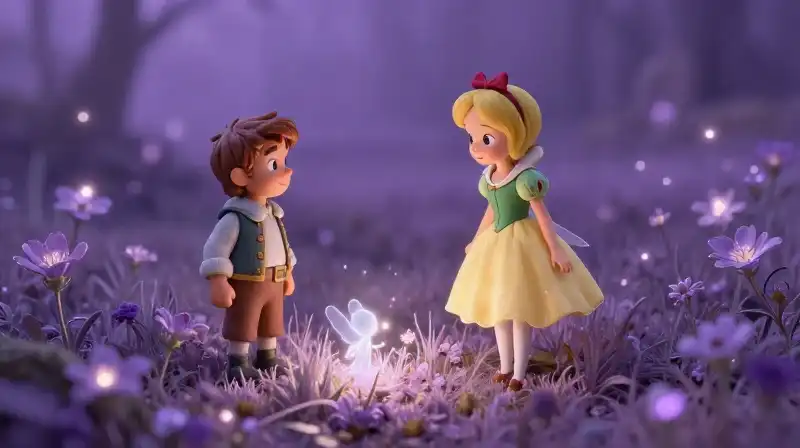
Sometimes the most delightful children’s tales are those that, rather than offering a simple, neat ending, invite us to peek behind the curtain of their magic. The 1997 adaptation of *The Adventures of Tom Thumb and Thumbelina* does just that. While it serves as a vibrant, scaled-down journey through an Arthur-esque court, it is much more than a mere collection of animated adventures involving mischievous fairies and diminutive people. It is a rich tapestry of contrasts: the quiet resilience of a wildflower against the sharp edges of human ambition, the chaotic energy of a hero struggling to find his voice, and the deep, abiding bond forged in shared vulnerability. For parents and educators seeking a story with genuine depth, this tale offers a compelling look at status, scale, and the true meaning of belonging. It invites us to consider not just the scale of these tiny lives, but the massive world of conflict playing out in their miniature meadow.
The Architecture of a Kingdom: Nature Versus Ambition
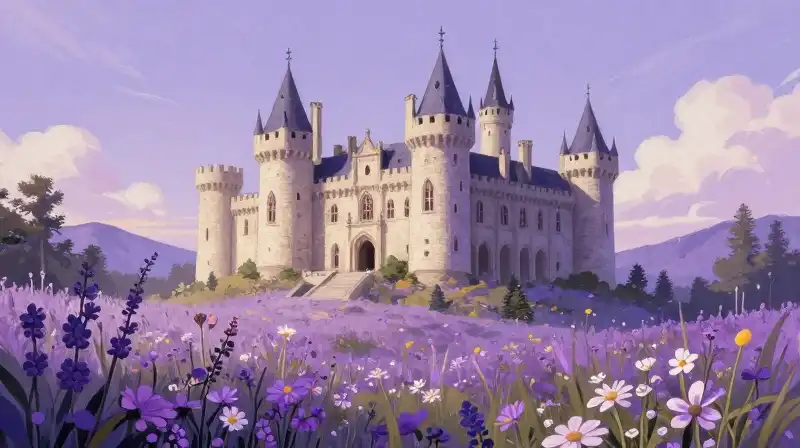
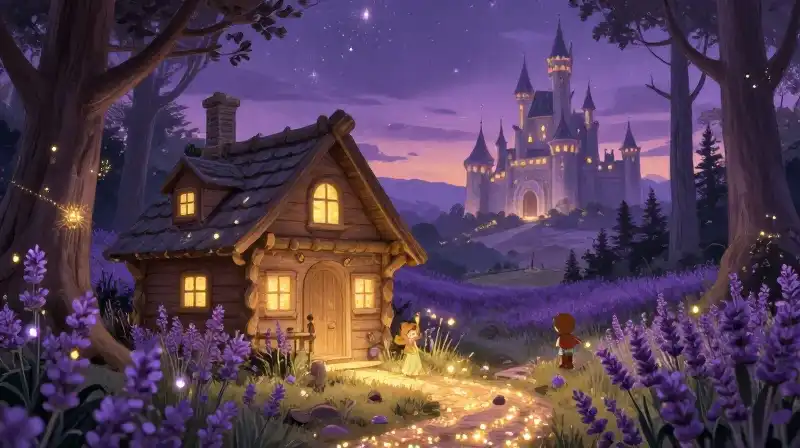
At the heart of this story lies a fundamental conflict, one that resonates with timeless themes of industrial expansion versus natural beauty. The meadow, with its sprawling flowers and teeming animal life, is not simply a charming backdrop; it is a vital character in its own right, embodying the foundational focus of the film: the “beauty of nature and the meaning of life” [1]. However, this natural order is challenged by the arrival of Medwin, the King’s son. Medwin’s ambition is aggressive and coldly systematic—he seeks to expand the castle and establish what he calls an “international house of gruel” (IHOG) [1].
Thematic Conflict: The Meadow Under Threat
Medwin’s desire to replace the wild, messy beauty of the meadow with a regimented, man-made institution establishes a clear divide between industrial growth and organic living. This conflict is not abstract; it is intensely personal to the inhabitants. Thumbelina, initially presented as a ruler who is already “overworked” maintaining the meadow’s order against bickering creatures, is thrust into a situation where her quiet stewardship is directly challenged by the cold, calculated plans of Medwin and his henchman, Edgar [1]. The stakes are elevated when an external threat, the Saxons, appears, forcing the tiny kingdom to unite. The clever, yet humble, defense—a “surprisingly effective” assembly of miniature creatures throwing nuts and water balloons—highlights the unexpected power found in community and nature, directly contrasting Medwin’s structured might [1].
Defining the Protagonists: Tom Thumb and Thumbelina
The two central figures, Tom Thumb and Thumbelina, embody contrasting forms of energy and power. They are not defined by their noble lineage, but by their internal struggles and eventual shared acceptance of each other’s worth.
Tom Thumb: The Chaos of Potential
Tom Thumb is introduced as a whirlwind of chaotic, untamed energy—swinging from curtains and racing on a tiny motorcycle [1]. His initial struggle is one of identity; he has difficulty being heard or feeling “important” within the established, Arthur-esque court [1]. His dynamic with Edgar, the incessantly repeating raven, adds an element of eccentricity, showing Tom’s evolving nature as he attempts to defend a mouse with a fork and eventually finds a nascent interest in knighthood [1]. Tom’s arc is a journey from marginalized outsider to recognized, powerful figure.
Thumbelina: Stewardship and the Longing for Belonging
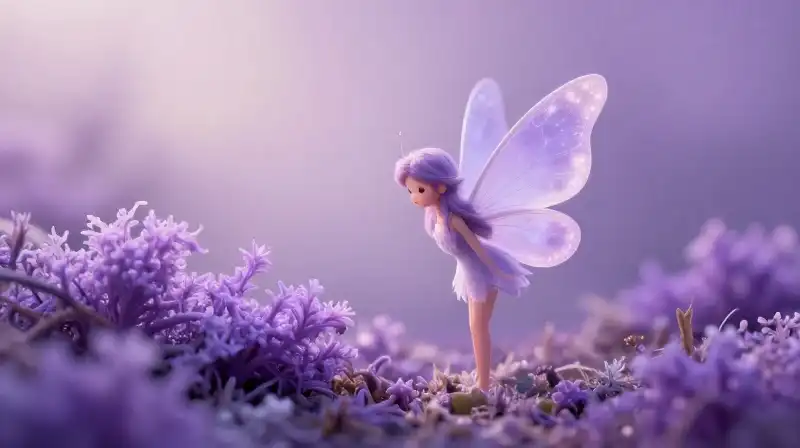
Thumbelina’s role is initially one of dutiful management. She is the figure tasked with keeping the whimsical meadow functioning despite the whims of bickering animals and fairies—a role that echoes her established position in similar folklore [1]. Her story quickly moves beyond simple rule and maintenance. Her emotional connection to the meadow, articulated through her statement, “I have some strange attachment to this meadow” [1], demonstrates that her stewardship stems not from obligation, but from a genuine, deeply felt connection to the life and beauty she protects.
The Power of the Twist: Status, Changelings, and Connection
The narrative gains its most potent philosophical weight through themes of status and the nature of royalty itself. The story initially references the simplistic advice that “wait for your prince to come and then live happily ever after,” humorously contrasted with real-world political events [1]. This sets up a commentary on power—the idea that worth might be found in simple existence rather than waiting for external validation.
The Prince Revelation and the Changeling Motif
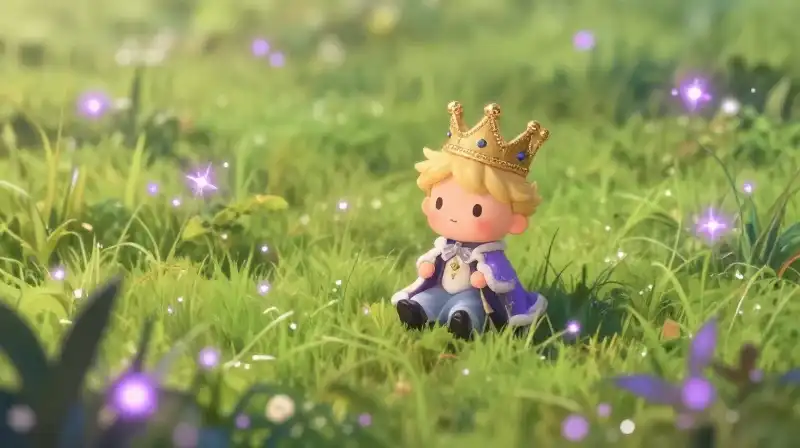
The climax provides a powerful thematic twist: Tom is revealed to be the long-lost, shrunken prince of the meadow itself [1]. This revelation carries significant cultural weight, drawing inspiration from real-world folklore regarding “changelings”—tales where human royalty is replaced by mystical children [1]. This twist suggests that true royalty is not merely birthright, but a connection to one’s environment and the unique power found in humble, seemingly insignificant beings. When Medwin and Edgar, the primary villains, are defeated, the Fairy Queen shrinks them and traps them within the very model castle they obsessively planned to build, serving as a potent punishment that turns their mechanical ambition against them [1].
Addressing the Questions: Who Are They and How Are They Related?
For those curious about the relationship between the characters, the narrative confirms a deep bond forged through shared experience and vulnerability. While the film does not define their relationship until later, the connection develops through shared mutual understanding and sentiment [1]. Their core romance is encapsulated in moments of genuine recognition, where both characters share a profound attachment to the meadow, symbolized by their shared sentiment: “I sort of feel the same way” [1]. This speaks to a bond of kinship—two souls who value the same fundamental truths about the natural world, transcending their respective roles as court inhabitants and meadow guardians.
The Mechanics of Scale and Visual Language
The visual design of the film further reinforces the theme of scale and perspective. The animation utilizes deliberate shifts in size, showing Thumbelina depicted at various scales—from smaller than a man’s eye to the size of a man’s foot [1]. These inconsistencies are not merely technical errors; they are powerful visual tools that challenge the audience’s sense of proportion. By constantly shifting scale, the film forces us to reconsider what is “big” and what is “important,” making the journey of a tiny creature feel as epic as the conflicts of human kingdoms.
A Synthesis of Magic and Message
The enduring power of *Tom Thumb Meets Thumbelina* lies in its ability to use miniature, magical creatures to explore vast, universal human conflicts. It is a story where the villain’s gleeful lack of narrative subtlety—a choice that sometimes favors cartoonish drama over nuanced motivation [1]—serves a clear purpose: it presents a stark, unambiguous contrast to the quiet, genuine connection shared between Tom and Thumbelina. This tale teaches children that true power is not in the ability to expand and conquer, but in the profound, vulnerable attachments we form and the intrinsic value of the small, beautiful things in our lives. It provides a soothing reminder that even the most minuscule inhabitants of a story can hold the greatest truths, making it a rich choice for bedtime or classroom discussion.
***
Sources
- Tom Thumb Meets Thumbelina - Review — writinginmargins.weebly.com
Frequently Asked Questions
Do Tom Thumb and Thumbelina ever meet?
While the article does not detail the exact moment they meet, it confirms that their deep bond is forged through shared experiences and mutual understanding. Their connection develops over time through genuine recognition where they share a profound attachment to the meadow.
Is Tom Thumb related to Thumbelina?
The film does not define a direct familial relationship between Tom and Thumbelina in the text. Instead, the narrative describes their connection as a bond of kinship, which stems from their shared sentiments and value for the natural world.
Related Articles