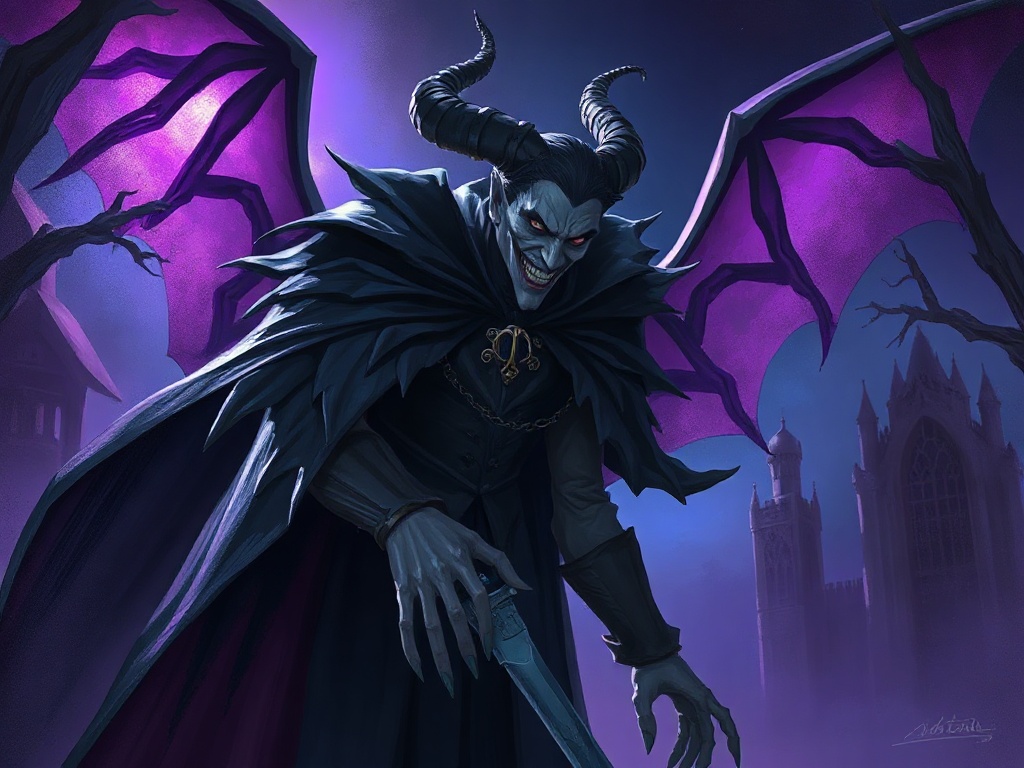

The Twelve Dancing Princesses: Unpacking the Dark Mystery of the Night

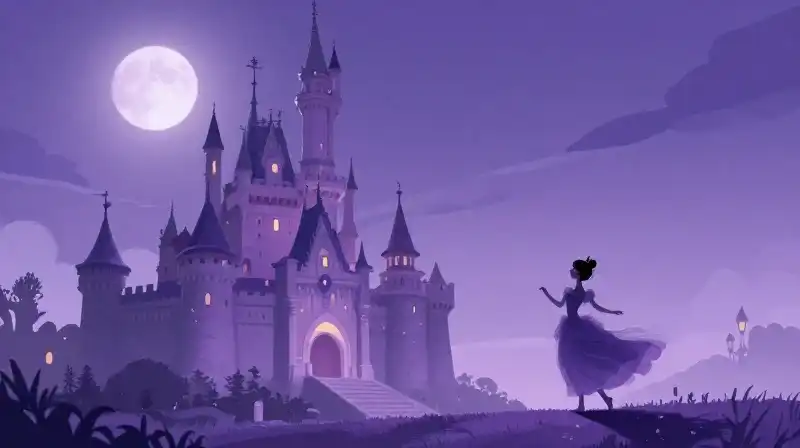
Introduction
There is a unique power to a story built upon an impossible secret—a mystery that exists right under the surface of royal splendor. “The Twelve Dancing Princesses,” a cornerstone of German folklore, asks just that: how can twelve royal sisters sleep in a heavily locked room, yet wake every morning with shoes worn through as if they had been danced in all night [2]? This is not merely a plot; it is a meticulously crafted puzzle that has fascinated storytellers and parents for centuries. While often reduced to a simple tale of mysterious midnight merriment, this story is far richer, harboring dark undercurrent, rich visual detail, and powerful thematic resonance. For parents and educators seeking stories that are both engaging and genuinely thought-provoking, “The Twelve Dancing Princesses” offers a perfect blend of magical wonder and moral complexity. We will look beneath the gilded surface to unpack the dark heart of this tale, explore the incredible imagery of its midnight world, and see how its meaning has shifted through various adaptations.
The Anatomy of a Royal Mystery
 The tale, originating from the collection by the Brothers Grimm in 1815, centers on the desperate predicament of a king whose crown is tied to solving a seemingly impossible enigma [1]. He has twelve daughters—the “Dancing Princesses”—who retreat to a heavily secured chamber at night. Morning always reveals a shocking truth: their fine slippers are ruined, dusted with the evidence of all-night revelry [2]. The kingdom is thrown into turmoil. To solve the riddle, the king places his kingdom and his daughters’ hands on the line, executing failed suitors after three days [1, 2]. What follows is not just a search for truth, but a dramatic race against time that quickly reveals the princesses’ nature.
The Dark Undertones: Moral Complexity
It is crucial to approach the Grimm version of this tale with a nuanced eye. The princesses are not portrayed as innocent victims of an inexplicable fate. The narrative carries a notably dark undertone regarding their behavior [1]. In the original tale, the princesses are described as somewhat malicious. They do not show regret for the doomed princes, and in a particularly grim scene, they are shown actively serving drugged wine to protect their secret [1]. This darkness is highlighted when the eldest sister mocks the younger sister for suggesting they might be followed, dismissing her concerns as foolish paranoia, calling her a “simpleton” [2]. This portrayal moves the story away from simple childhood wonder and places it in the realm of moral transgression, making it a powerful piece of cautionary folklore.
A Guide to the Midnight World (Visual Elements)
The true magic of “The Twelve Dancing Princesses” resides in its setting—a world suspended between the locked halls of the royal castle and a hidden, glittering kingdom. This setting provides some of the most vivid and striking imagery in classic children’s literature, making it incredibly effective for sparking imagination at bedtime. The journey to the secret midnight world involves a descent through three highly enchanted groves, each defined by a specific, shimmering palette [2]. These natural scenes serve as potent symbols of the journey itself.
- The Silver Grove: This is the first threshold of the magical world. The silver leaves evoke moonlight, stealth, and a cold, ethereal beauty. The first sound the hero hears here is the snap of twigs [2].
- The Gold Grove: The middle forest introduces a sense of opulent secrecy. Glittering gold suggests immense wealth and concealed grandeur, mirroring the riches the princesses are hiding [2].
- The Diamond Grove: The final forest is the most dazzling, symbolizing perfect clarity and ultimate hidden perfection. The sparkling diamonds amplify the visual spectacle of the princesses’ clandestine adventures [2].
Beyond these groves, the sisters emerge into a midnight landscape of deep contrast. They travel across a great lake on twelve waiting boats, eventually arriving at an underground castle filled with the “merry music of horns and trumpets” [2]. This hidden realm, rich with illuminated wonders, serves as a perfect visual backdrop for any illustration or story time.
Character Study: Stealth vs. Status
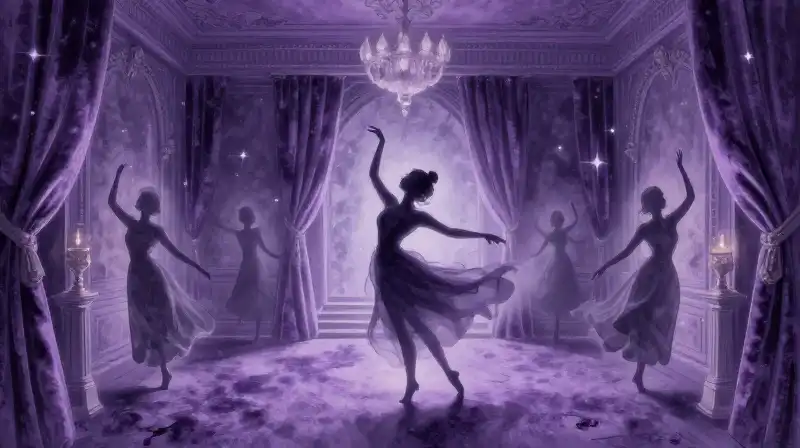 The conflict of the tale is ultimately a clash between two types of characters: the high-status, secretive Princesses and the humble, insightful Hero.
The Princesses: The Secret Keepers
The Twelve Dancing Princesses represent desire, defiance, and the power of secrets. They are driven by a longing for an escape that transcends their royal duties. While modern adaptations soften their motivations—such as in *Barbie in the 12 Dancing Princesses* where they escape a restrictive governess, or in *Super Why!* where their dancing is a secret party—the core idea remains: they choose midnight freedom over the constraints of the daytime world [1]. Their secrecy, though often accompanied by malicious pride in the original version, is the engine of the entire narrative.
The Hero: The Power of Discreet Observation
The resolution of the mystery hinges on the hero’s traits, specifically his stealth and patience, rather than brute strength. An old woman provides the crucial advice needed to break the curse: one must secretly follow the sisters, sneak into the midnight world, and gather concrete, undeniable evidence [1, 2]. The hero’s methods—using an invisibility cloak and pretending to snore—emphasize the idea that truth is often found not through fanfare, but through careful, quiet observation.
The Tale’s Evolution: From Grimm’s Grimness to Modern Magic
Because “The Twelve Dancing Princesses” has enjoyed wide European roots, its form has shifted dramatically across generations, reflecting the cultural changes of its audience.
The core narrative has survived in many regional variants, which often adjust the mechanics and the number of dancers. For instance, a Hesse version focuses on a single princess wearing out a dozen shoes, while a Paderborn version features three princesses dancing alongside three giants [1]. Similarly, other cultural iterations include Russian versions (“The Night Dances”) by Alexander Afanasyev, a French version by Charles Deulin, and the Scottish analogue *Kate Crackernuts* [1].
The most profound shift came with the era of Victorian editors. To make the tale palatable for younger children, the Grimms’ dark “do or die” elements were often softened [1]. In Andrew Lang’s retelling, for example, the failed suitors do not face execution; they simply vanish and are trapped in the underground world. This version introduces a young cowherd named Michael, who marries the youngest princess, Lina, and is credited with freeing the enchanted men [1].
| Version/Style | Key Character Focus | Tone/Resolution |
|---|---|---|
| Original Grimm | Twelve Princesses (Malicious) | Dark, High Stakes (Execution of suitors) [1] |
| Victorian Adaptations (Andrew Lang) | Young Cowherd (Michael) | Soften, Redemption (Suitor vanish, hero marries youngest) [1] |
| Regional Variants (Hesse, Paderborn) | Variable (1-3 princesses) | Folklore-driven, structural shift [1] |
| Modern Adaptations (Barbie, Super Why!) | The “Why” (Escaping, Secret Parties) | Positive, Child-friendly, Motivational [1] |
The Resonance: Why This Tale Still Captivates
Why does this mystery persist? “The Twelve Dancing Princesses” is remarkable because it balances the visceral joy of a hidden, magical world with a deep dive into moral consequence. The tale speaks to the fundamental human desire to explore the hidden—the things we do in secret, the passions we keep cloaked from the mundane world. The glittering visual palette of the silver, gold, and diamond groves remains one of literature’s most beautiful visual metaphors for the wonder and complexity of the subconscious or the hidden self. For parents and educators, the tale provides material to discuss difficult themes—like the cost of secrecy or the difference between curiosity and transgression—without ever resorting to outright lecturing. The core message is always found in the evidence: the truth is not found in loud pronouncements, but in the small, discarded pieces of proof—a cracked twig or a stolen golden cup [1, 2]. It is a story that teaches children that even the grandest mysteries have very specific, tangible origins.
Sources
- The Twelve Dancing Princesses — en.wikipedia.org
- The Twelve Dancing Princesses — eastoftheweb.com
Related Articles