What tools do dwarves use in mining-themed children's stories

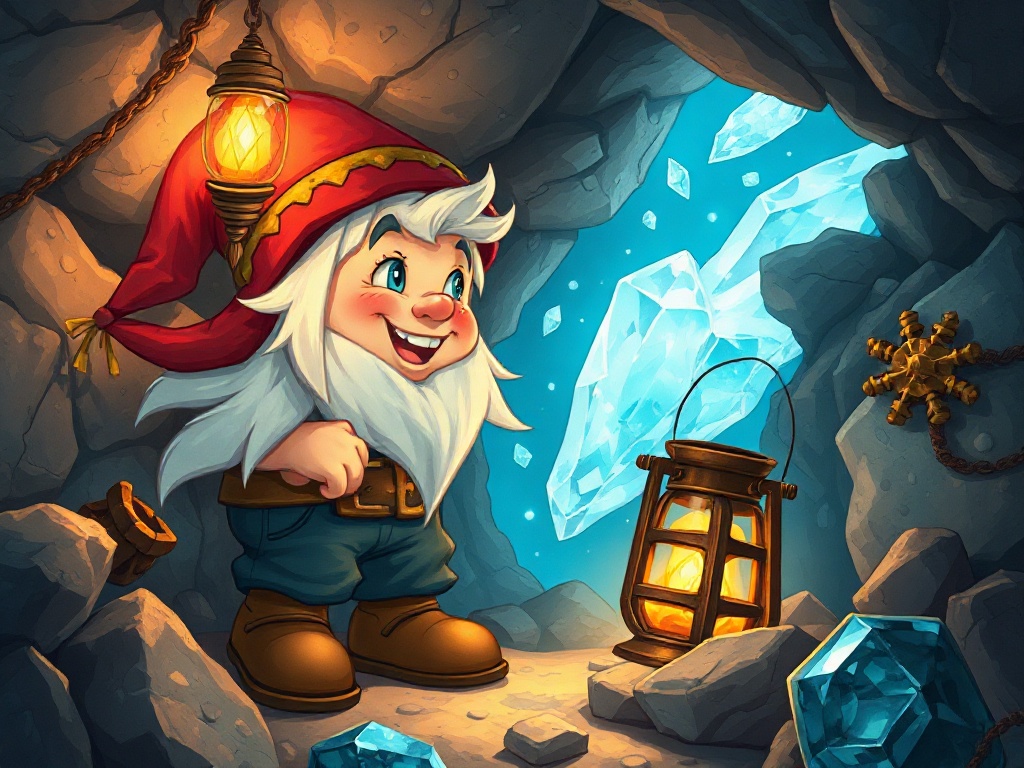
Dwarves, those sturdy, bearded folk, are a staple in fantasy literature and especially prevalent in mining-themed children’s stories. Their reputation for craftsmanship, resilience, and an unparalleled love for gems and ore means they’re often depicted deep underground, tirelessly excavating tunnels and unearthing treasures. Understanding the tools they utilize is key to appreciating the challenges and triumphs of these narratives, and provides a rich layer of detail for young readers to engage with. The imagery of dwarves and their tools is instantly recognizable and adds significantly to the overall world-building.
The selection of tools available to these subterranean folk is rarely random. Each instrument chosen contributes to the dwarves’ character, illustrating their industrious nature and connection to the earth. From simple picks to complex mechanical devices, the tools a dwarf wields reflects not only their ability to extract resources but also their values of practicality, durability, and sometimes, even a touch of ingenious innovation. This creates a lasting impression and reinforces the dwarves’ established roles within the fictional world.
## The Humble Pickaxe
The pickaxe is undoubtedly the iconic tool associated with dwarves. Appearing in nearly every mining-themed children’s story, it’s the bedrock of their underground operations. Often depicted as sturdy and well-worn, it symbolizes the dwarves’ relentless dedication to their craft, chipping away at rock and stone with unwavering focus. It’s rarely a sleek, modern design; instead, it’s typically a simple, robust tool reflecting their practical approach to labor.
Beyond its practical use, the pickaxe frequently represents the dwarves’ inherent strength and determination. Children learn through these stories that hard work, symbolized by the rhythmic swing of the pickaxe, leads to reward – the discovery of precious minerals or the creation of magnificent underground halls. The sound of the pickaxe striking stone often echoes throughout the narrative, creating a percussive rhythm that underscores the dwarves’ industriousness.
The design of the pickaxe itself can vary, sometimes featuring decorative engravings or imbued with magical properties within the story. A dwarf’s prized pickaxe is often a family heirloom, passed down through generations, and a symbol of their heritage and skill. It’s more than just a tool; it’s a connection to their ancestors and a testament to their unwavering commitment to mining.
## Lanterns and Light Sources
Darkness is a constant companion for dwarves deep within the earth, making reliable light sources absolutely essential. While more modern fantasies might incorporate magical lighting, traditional children’s stories often focus on more grounded and tangible methods. Simple oil lamps are a common sight, casting flickering shadows and adding to the mysterious atmosphere of the mines. These lamps offer limited illumination but signify the dwarves’ resourcefulness in confronting the darkness.
Candles are another frequently depicted option, though they present a fire hazard, demanding constant vigilance. Stories often illustrate the dangers of these uncontrolled flames, teaching children about safety and the importance of responsible resource use. The warmth of a candle flame can also represent the comfort and companionship the dwarves find in their subterranean world.
More advanced stories might feature specially crafted lanterns, perhaps powered by magically contained fireflies or offering significantly brighter illumination. These lanterns often symbolize a higher level of dwarven technology or magical understanding, showcasing their ability to adapt and overcome the challenges of their environment. Regardless of the specific design, the presence of light always conveys the dwarves’ determination to persevere in the oppressive darkness.
## Shovels and Scoops
While the pickaxe breaks the rock, shovels and scoops move the loose material and ore. These tools are vital for efficient mining operations and are frequently portrayed as being specifically designed for the dwarves’ strong hands and shoulders. Children’s stories rarely dwell on the technical specifications of these tools, instead emphasizing their practical function in clearing paths and collecting precious finds.
The size and shape of the shovel or scoop can often reflect the type of mining the dwarves are undertaking. A broad, flat shovel might be used for moving large quantities of dirt, while a smaller, pointed scoop could be used for carefully extracting delicate gems. The repetitive action of shoveling and scooping can symbolize the meticulous attention to detail required in the dwarves’ craft.
Often, these tools are rendered in a slightly exaggerated style, highlighting the dwarves’ physical strength and the sheer volume of material they can move. They are often depicted alongside overflowing piles of glittering ore, signifying the dwarves’ success and reward for their tireless efforts. The simplicity of the tools belies the importance of their function in the mining process.
## Carts and Conveyor Systems
Moving mountains of ore is no easy feat, which is why carts and, in more advanced stories, rudimentary conveyor systems, are crucial for dwarven mining operations. These systems highlight the dwarves’ ingenuity and their ability to organize and automate tasks. Carts, often pulled by sturdy mountain goats or even by the dwarves themselves, are a classic sight in underground mines.
The construction of the carts themselves can reveal a lot about the dwarves’ culture. Sturdy, reinforced designs often reflect their practicality, while elaborate carvings or precious metal accents showcase their craftsmanship. Some stories might incorporate magical enhancements to the carts, allowing them to navigate difficult terrain or transport exceptionally heavy loads. The carts become symbols of both labor and progress within their underground society.
More elaborate conveyor systems, though less common in simpler children’s stories, demonstrate a higher level of engineering skill. They might be powered by water wheels or even complex clockwork mechanisms. These intricate systems not only portray the dwarves as clever inventors but also reinforce the idea of efficiency and resource management within their mining operations.
## Speciality Tools & Safety Gear
Beyond the basics, certain stories introduce specialized tools or safety gear, showcasing the dwarves’ adaptability and respect for the inherent dangers of mining. This might include blasting powder (though handled with great caution and often depicted with a magical twist), compasses to navigate complex tunnel systems, or even rudimentary breathing apparatuses to deal with noxious gases. These additions add realism and complexity to the world.
Safety gear, such as helmets and reinforced boots, emphasizes the dwarves’ understanding of potential risks. While not always explicitly stated, these protective measures teach children the importance of safety and preparedness. Stories might depict dwarves recovering from mining accidents, reinforcing the message that even the most skilled and resilient individuals need to protect themselves. The gear functions as a visual cue of the inherent peril of their profession.
Finally, some narratives might feature tools infused with magical properties, such as enchanted hammers that break rock more easily or lanterns that reveal hidden passages. These fantastical elements add an element of excitement and wonder to the mining process, reminding children that even in the darkest depths, magic and possibility can exist.
## Conclusion
The tools employed by dwarves in mining-themed children’s stories serve a crucial purpose beyond simply facilitating the extraction of resources. They offer a window into the dwarves’ culture, showcasing their strength, resilience, ingenuity, and unwavering dedication to their craft. Through these carefully chosen instruments, young readers gain a deeper understanding of the dwarves’ world and the challenges they face.
Ultimately, the tools used by dwarves provide a tangible representation of hard work, perseverance, and the rewards that come from overcoming obstacles. Whether it’s the rhythmic swing of a pickaxe, the flickering glow of a lantern, or the rumbling of a cart laden with ore, these objects contribute significantly to the enrichment of the narrative and leave a lasting impression on young imaginations.
Related Articles