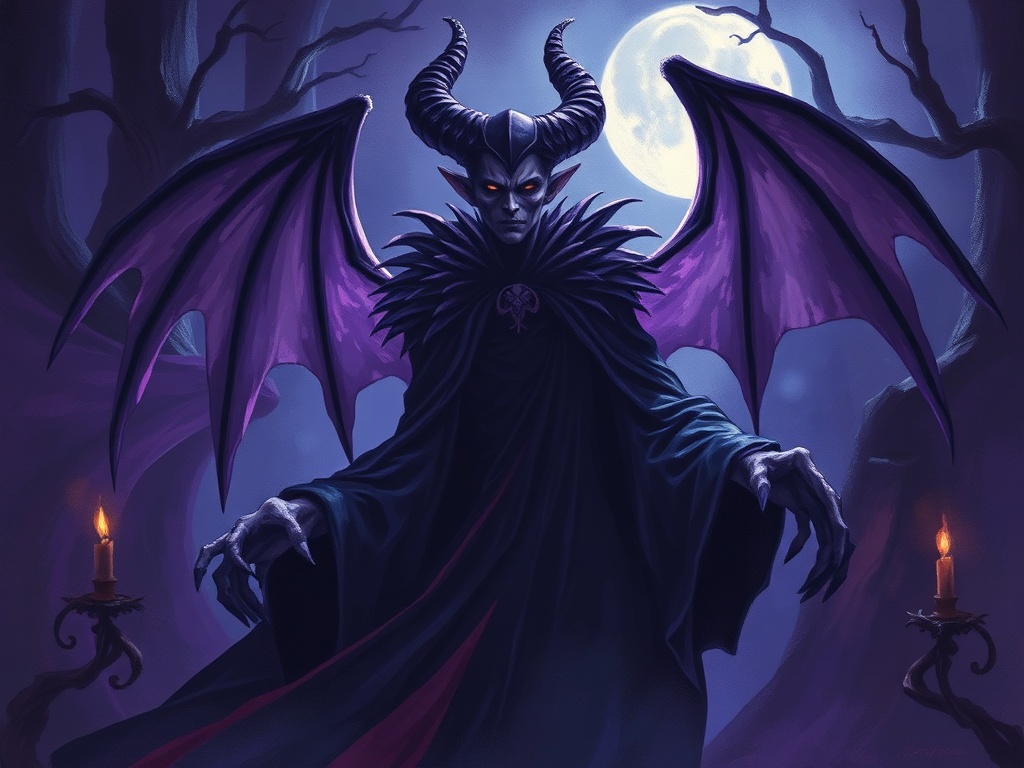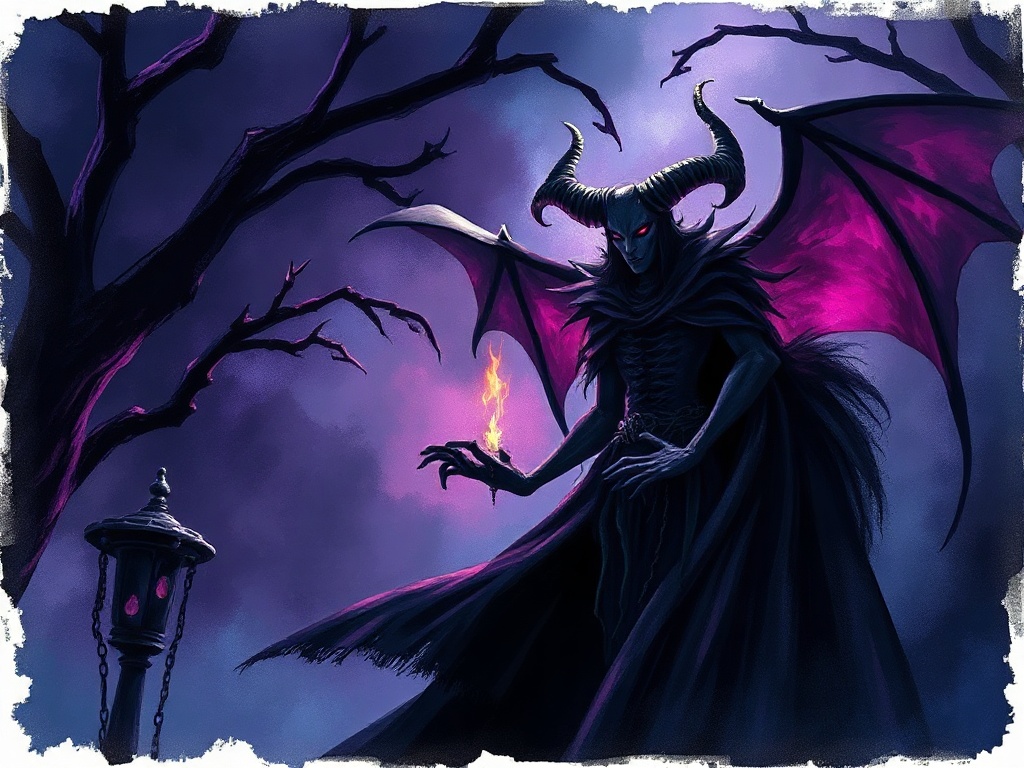

Why is the Witch in Rapunzel so controlling and cruel
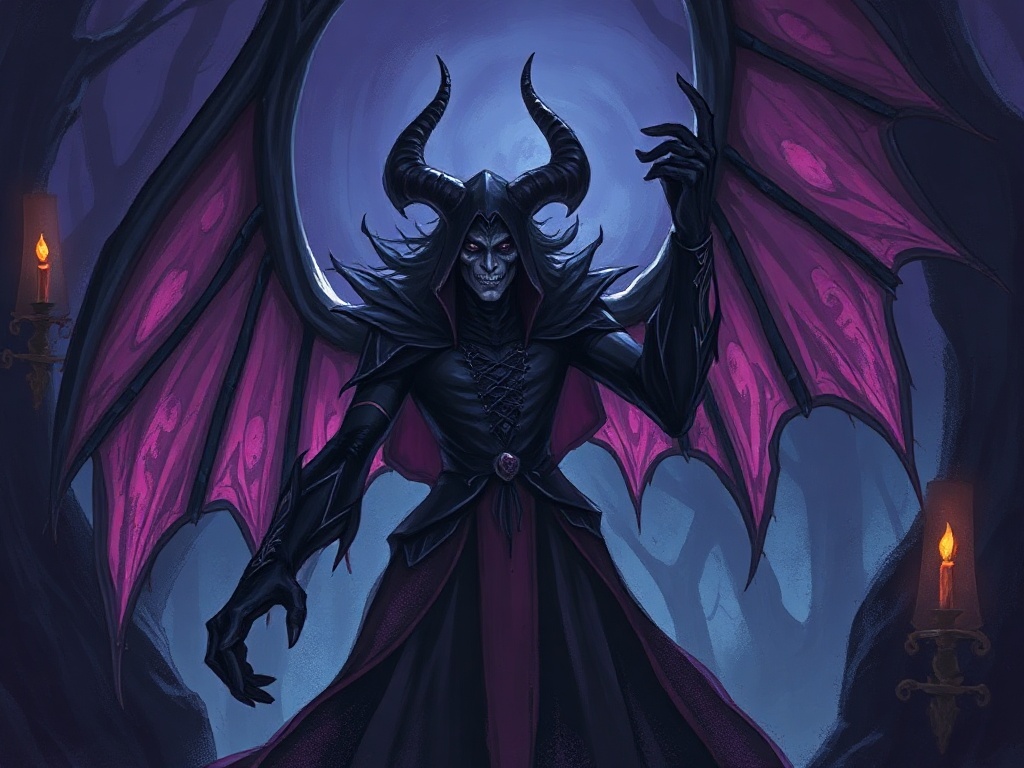
The fairy tale of Rapunzel, in its various iterations, often leaves readers and listeners pondering a simple, yet profound question: why is the witch, usually known as Gothel, so intensely controlling and cruel? She isn’t just a stock villain seeking power for its own sake; her motivations run deeper, fueled by a desperate longing for youth and a profound fear of aging. Understanding the nuances of Gothel’s character requires examining her backstory, psychological state, and the symbolic significance she holds within the narrative.
While traditional fairy tales often feature simplistic good versus evil dynamics, Rapunzel’s witch presents a more complex and intriguing antagonist. Her actions, though undeniably harmful, aren’t purely malicious. Instead, they stem from a deeply ingrained insecurity and a heartbreaking desire to escape the inevitable decline that comes with mortality. Examining this seemingly one-dimensional figure reveals layers of pathos and psychology, offering a richer understanding of the story’s themes.
## The Root of Gothel’s Fear: Aging and Mortality
Gothel’s obsession with youth isn’t just a superficial vanity; it’s a direct confrontation with her own aging and impending death. She’s likely lived a long life, witnessing the loss of loved ones and the diminishing of her own vitality. This has cultivated a deep-seated fear of the inevitable – the physical and social decline associated with growing old. The magical flower, and consequently Rapunzel’s hair, represents the ultimate antidote to this fear, a chance to cheat the natural order of things.
This fear isn’t inherently illogical; for Gothel, it’s an existential crisis. She’s faced a world where youth equates to power, beauty, and vitality, while aging signifies weakness and irrelevance. This societal pressure, coupled with her personal experience, has likely fostered a warped perspective where preserving her youth becomes the singular, all-consuming goal. The young girl’s hair becomes a symbol of not just beauty but also life itself.
Her desperation is further amplified by the knowledge that she can potentially prolong her life, but only through a stolen source. The very fact she needs to take this drastic measure highlights the severity of her anxiety regarding aging and death. It showcases a character who, rather than accepting the natural cycle of life, chooses to fight it at any cost, making her a tragic figure as much as a villain.
## The Power Dynamic: Motherhood and Manipulation
Gothel doesn’t just steal a child; she constructs a twisted, parasitic relationship with Rapunzel, masquerading as a loving mother. This manipulative behavior is crucial to understanding her cruelty. She builds a carefully controlled environment, isolating Rapunzel from the outside world to maintain her power and access to her hair’s restorative properties. This creates an atmosphere of dependency and fear, ensuring Rapunzel remains compliant.
The inherent power imbalance in their relationship is a key driver of Gothel’s controlling nature. Rapunzel, raised in isolation, is utterly dependent on Gothel for survival, making her vulnerable to manipulation. Gothel exploits this dependency, reinforcing her role as the all-knowing, all-caring figure while simultaneously suppressing Rapunzel’s independence and curiosity. This creates a cycle of control where Rapunzel’s needs are secondary to Gothel’s desires.
Furthermore, Gothel’s warped sense of motherhood is evident in her complete lack of genuine affection for Rapunzel. Her actions are motivated solely by self-preservation and vanity. The “motherly” facade is a carefully constructed performance, designed to deceive and maintain her grip on Rapunzel’s life and the magical properties of her hair. True maternal instincts, such as nurturing and sacrifice, are completely absent.
## Isolation and Psychological Instability
Gothel’s life, long before she finds the flower, has likely been marked by solitude and perhaps even ostracism. The fact she lives in a remote tower suggests a desire to escape from society, either because she was rejected or because she actively chose a life of isolation. This prolonged isolation can contribute significantly to her psychological instability and distorted worldview.
Living in seclusion deprives her of meaningful human connection, which can lead to paranoia and an increased focus on self-preservation. The lack of social interaction likely reinforces her belief that she must rely solely on herself, fostering a possessive and controlling nature. Without the grounding influence of a community, her fears and anxieties are amplified, pushing her toward increasingly extreme behaviors.
The tower itself becomes a symbol of her psychological imprisonment. She’s trapped not just by the physical structure but also by her own fears and insecurities. Her obsessive control over Rapunzel is an extension of her need to control her environment and ward off any perceived threats to her precarious sense of security. The isolation fostered a vulnerability that she attempts to compensate for through absolute dominion.
## The Symbolism of the Flower and the Hair
The magical flower, and subsequently Rapunzel’s hair, aren’t merely plot devices; they represent potent symbols related to youth, beauty, and vitality. The flower’s ability to reverse aging transforms it into a powerful object of desire, a tangible manifestation of Gothel’s desperate yearning for immortality. She equates the flower’s power with true happiness and fulfillment, tragically misplacing her priorities.
Rapunzel’s hair, as a conduit for the flower’s magic, becomes symbolic of innocence and youthful potential. Gothel’s theft of this hair isn’t just a physical act; it’s a symbolic violation of Rapunzel’s life force. She is essentially stealing the essence of youth itself, perpetuating her own existence at the expense of another’s growth. The golden length represents the stolen promise of a life unlived.
Ultimately, the cycle of magic tied to the flower and the hair highlights the dangers of fixating on superficial qualities and clinging to fleeting moments. It critiques a society that values youth above all else, and shows how such a pursuit can lead to morally reprehensible actions. Gothel’s story is a cautionary tale about the destructive power of vanity and the futile search for eternal youth.
## Conclusion
Gothel’s character in Rapunzel is far more complex than a simple villain. Her actions, born from deep-seated fear of aging and a distorted sense of motherhood, are driven by a desperate need for self-preservation. Examining her motivations and psychological state allows us to move beyond the simplistic ‘good versus evil’ framework and appreciate the tragedy inherent in her choices.
While she undoubtedly commits cruel and manipulative acts, understanding the root of her motivations—her anxieties surrounding mortality and her isolation—offers a more nuanced perspective. She is a cautionary figure, reminding us of the dangers of obsession and the importance of accepting the natural cycle of life, rather than attempting to circumvent it through selfish and harmful means.
Related Articles