
The Great Yawn: Why Whimsical Bedtime Tales Promote Sleep

Introduction
The ritual of winding down can often feel like a tug-of-war. For parents, the goal is simple: calm, comfortable, and deeply restful sleep. But how do you transition a bright, restless mind from the buzzing energy of the day into the quiet velvet of slumber? Sometimes, the key isn’t stillness, but precisely the opposite—a sudden, wonderful burst of whimsical energy that draws the mind in until it gently lets go. Dr. Seuss’s *The Sleep Book* offers a perfect blueprint for this technique, using the simple, universal act of a yawn not just as a bodily function, but as the engine of a wonderfully strange, country-wide journey into rest [1].
The Mechanics of the Universal Yawn
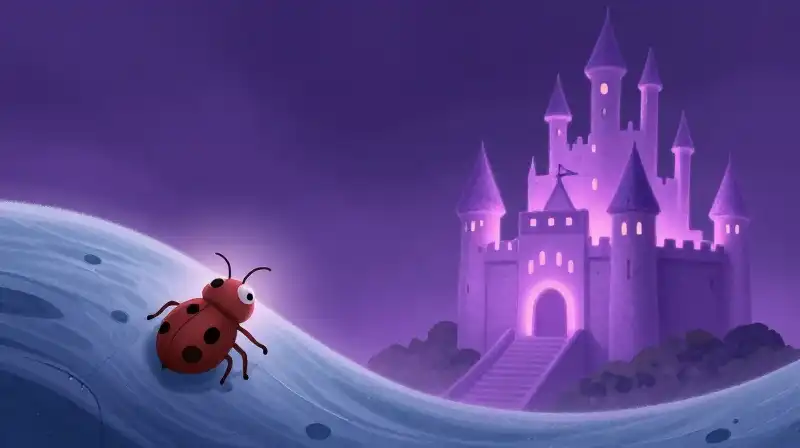 In the realm of children’s literature, the “sleep story” often implies a slow, soporific descent, but Seuss’s approach takes a more imaginative route. This story is structured around a contagious yawn, described as a way to “catch a case of the yawns” and initiate the process of falling asleep [1]. Instead of simply telling the child to be sleepy, the narrative invites them to witness a grand, unstoppable natural event: the Great Sleep Spreading.
The Journey of the Sleep-tastic Tale
The setting for this epic rest is the peculiar country of Keck, culminating in the majestic, sleepy Castle of Krupp [1]. The plot follows a small bug who, through a curious encounter, triggers a single, profound yawn. This one small moment of fatigue becomes the catalyst for a massive, unifying phenomenon that sweeps across the entire land [1]. The tale successfully frames the transition to sleep not as a surrender to tiredness, but as the joyful participation in a widespread, delightful national rest.
The Power of the Audio-Telly-o-Tally-o Count
What makes this story so effective for bedtime—and genuinely illuminating for readers interested in the architecture of children’s books—is its innovative narrative device: the Audio-Telly-o-Tally-o Count [1].
From Single Sleepers to Cosmic Numbers
This counting mechanism begins with a meticulously tracked individual falling asleep. However, as the yawn spreads, the count explodes in scale. The tally escalates from counting individual creatures falling into a peaceful slumber to astronomical, dizzying figures [1]. The ultimate climax of this numerical ascent reaches expressions like “Ninety-nine zillion, nine trillion and two creatures” [1]. This progression achieves several important narrative goals:
- Establishing Scale: It takes a small, localized event (one bug yawning) and demonstrates its massive, unifying impact on the entire nation of Keck [1].
- Building Rhythm: The relentless, playful counting provides a strong, predictable rhythmic cadence, which is scientifically soothing and engages the child’s listening skills in a structured, rhythmic way [1].
- Escalation and Release: The humorous jump from “one” to “ninety-nine zillion” provides a crescendo of wonder, creating a delightful mental spectacle that eventually gives way to the gentle, absolute certainty of total, universal rest [1].
Whimsical Energy as a Transition Tool
 One might intuitively expect a bedtime story to maintain a uniformly low, slow tempo. Yet, Seuss utilizes language that is intentionally high-energy, phrases such as “bedtime has never been more fun” [1]. This paradox is central to the book’s success as a “perfect bedtime story” [1].
Engaging the Reluctant Sleeper
The book’s high-energy, vivid prose functions as a highly effective counter-strategy to reluctant readers or children who simply struggle to “turn off.” By making the winding-down process *exciting*, the book removes the psychological resistance often associated with the pressure to simply “fall asleep.” The focus is shifted from the act of resting (which can feel like a loss of activity) to the enjoyment of the whimsical observation of the massive, collective “Sleep-tastic” event [1]. This blend of frantic, rhythmic counting and the ultimate goal of profound stillness allows the child’s energetic brain to process a huge volume of information and rapid sound, only for that energy to dissipate and settle into the comfort of the final, massive count [1].
Tips for Using Whimsical Tales at Bedtime
Dr. Seuss’s model offers a usable template for parents and educators looking for stories that can genuinely soothe without resorting to boring repetition. The key is matching the tale’s thematic structure to the child’s developmental need.
Practical Guide to Applying Whimsy for Sleep
- Start with Action: If a child is highly energetic, begin the reading with a high-energy section (like the initial spread of the yawn across Keck) [1]. This engages them fully.
- Establish the Mechanism: Focus on the narrative “trick” of the book—whether it’s the Audio-Telly-o-Tally-o or another rhythmic count—to provide a predictable mental anchor [1].
- Sustain the Momentum: Allow the intensity and the count to build steadily, mirroring the child’s natural restlessness as they are drawn deeper into the tale [1].
- Deliberate Descent: As the story reaches its peak figures and the eventual “Ninety-nine zillion” conclusion, the rhythmic pacing of the reading should slow slightly, allowing the weight of the universal rest to settle over the child’s mind [1].
The goal is to make the transition *engaging*, which ironically makes it much easier for the child to allow themselves to become sleepy [1].
Final Reflection
*The Sleep Book* demonstrates that great bedtime stories don’t have to be passive. The most enduring and helpful tales often find a way to make the mundane—or the massive, collective experience of rest—into a journey. By harnessing the infectious nature of the yawn and structuring the narrative around the “Tally-o-Tally-o Count,” Dr. Seuss transforms a simple act of winding down into a grand, whimsical expedition across a land of sleep [1]. It is a clear and imaginative analysis of how high-energy, highly structured fantasy can act as the perfect escort into deep, dream-filled rest.
Sources
- Dr. Seuss’s Sleep Book – Author Dr. Seuss – Random House Children’s Books — rhcbooks.com
Related Articles